


How Electrostatic Painting Machines Revolutionize Coating Processes
Release time:
2024-12-13
Electrostatic painting machines represent a significant advancement in coating technology, unlocking new levels of efficiency, quality, and sustainability

1. Introduction to Electrostatic Painting Machines
In the world of industrial coatings, electrostatic painting machines have emerged as a game-changer. These machines leverage the principles of electrostatics to create efficient, high-quality finishes on a variety of surfaces. By using an electrical charge, these machines ensure that paint particles are attracted to the target surface, resulting in a uniform coating that minimizes overspray and waste. Understanding the intricacies of these machines is essential for industries that seek to enhance their coating processes while maximizing efficiency.
2. The Technology Behind Electrostatic Painting
Electrostatic painting technology is grounded in the fundamental laws of physics. It works by charging paint particles, which are then attracted to a grounded object. This process can be broken down into several key components:
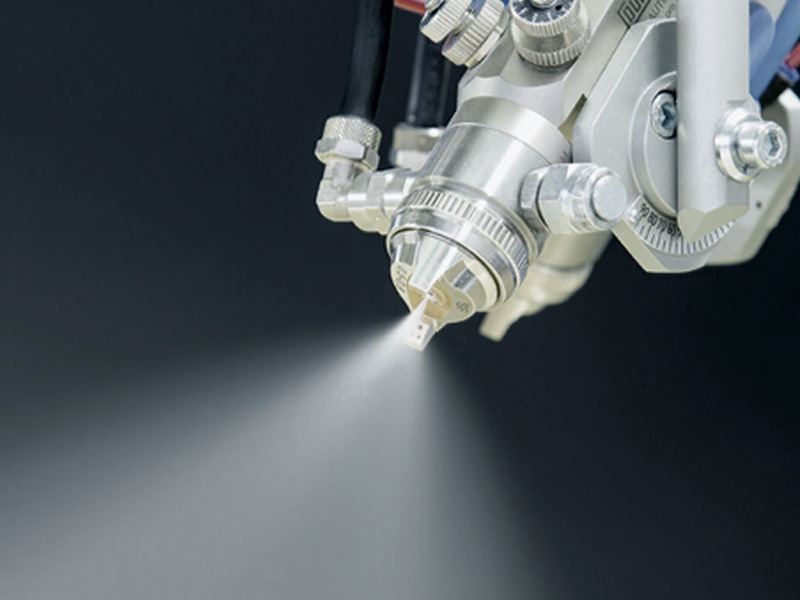
- Electrostatic Charge Application: The paint is atomized through a spray gun, where an electrical charge is applied to each paint droplet. This charge causes the paint particles to repel each other, resulting in smaller droplets that create a finer spray.
- Attraction to Grounded Surfaces: The object being painted is grounded, allowing the charged paint particles to be attracted to it. This attraction ensures that the paint adheres evenly across the surface, providing a complete and consistent coating.
- Control of Variables: Operators can adjust voltage levels, spray patterns, and distance to optimize the application process, further enhancing the efficiency and effectiveness of the painting operation.
By integrating these principles into their operations, manufacturers can achieve a level of precision and consistency that traditional painting methods often struggle to match.
3. Key Benefits of Using Electrostatic Painting Machines
The adoption of electrostatic painting machines offers numerous advantages over conventional coating techniques. Here, we delve into some of the most significant benefits that make these machines a preferred choice for industrial applications.
3.1 Enhanced Coating Efficiency
Electrostatic painting machines drastically improve coating efficiency. The ability to charge paint particles ensures that a higher percentage of paint reaches the targeted surface. This efficiency translates into reduced paint usage, shorter application times, and lower production costs.
3.2 Improved Material Utilization
One of the standout features of electrostatic painting is its ability to minimize overspray. Traditional spraying methods can result in significant paint loss due to overspray, which contributes to higher material costs and environmental waste. With electrostatic technology, the attraction between the charged paint and the grounded surface means that less paint is wasted, resulting in better material utilization.
3.3 Superior Finish Quality
The electrostatic process allows for a smooth and even application, producing a higher quality finish. The uniformity of the coating minimizes the appearance of imperfections, ensuring that the final product meets the highest aesthetic standards. This quality is particularly important in industries such as automotive and furniture manufacturing, where appearance plays a critical role in consumer satisfaction.
3.4 Environmental Benefits
As industries increasingly prioritize sustainability, the environmental benefits of electrostatic painting cannot be overlooked. By reducing overspray and paint waste, these machines contribute to lower VOC emissions and a decreased environmental footprint. This aligns with global trends toward greener manufacturing practices.
4. Applications of Electrostatic Painting Machines
The versatility of electrostatic painting machines allows them to be utilized across various industries. Below, we explore some of the primary applications where these machines excel.
4.1 Automotive Industry
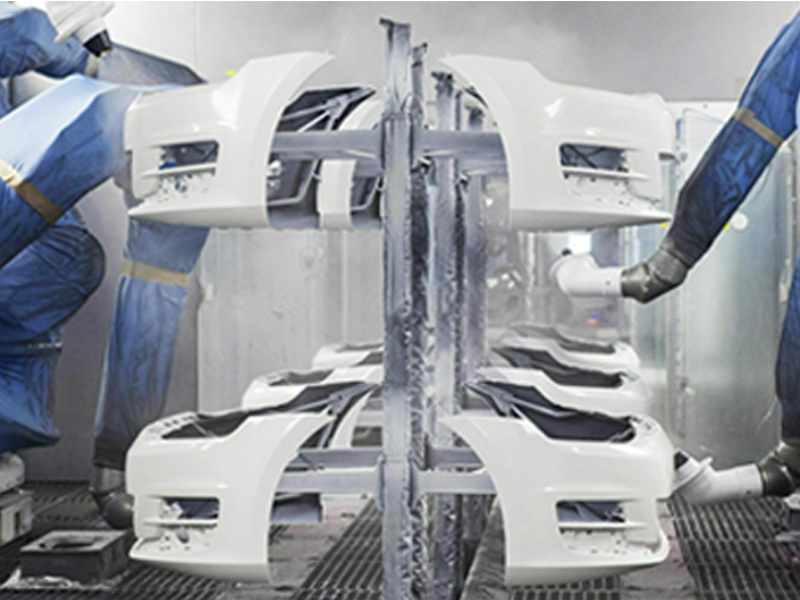
In the automotive sector, electrostatic painting is used for both vehicle exteriors and interior components. The ability to achieve a durable and aesthetically pleasing finish makes electrostatic painting a preferred method for automotive manufacturers. Additionally, the efficiency of the process helps meet the high-volume demands of the industry.
4.2 Furniture and Home Appliances
Electrostatic painting has become a popular choice for manufacturers of furniture and home appliances. The technology allows for an even coating on complex shapes and intricate designs, ensuring that the final product is both visually appealing and resistant to wear and tear.
4.3 Industrial Equipment
Electrostatic painting is extensively used in coating industrial equipment, including machinery and tools. The robust finishes provide protection against corrosion and wear, extending the lifespan of these critical assets.
4.4 Architectural Coatings
In architectural applications, electrostatic painting is employed to coat metal structures, signage, and decorative elements. The method’s ability to create a durable, weather-resistant finish is crucial for outdoor applications where exposure to the elements is a concern.
5. Comparing Electrostatic Painting to Traditional Methods
When evaluating electrostatic painting against traditional coating methods, several factors come into play. Traditional methods, such as conventional spray painting, often result in higher levels of overspray and waste, leading to increased material costs and environmental impact. Conversely, electrostatic painting provides a more efficient and environmentally friendly solution, resulting in significant cost savings and improved quality.
Moreover, the speed of application with electrostatic machines can drastically reduce turnaround times, making it an attractive option for manufacturers striving to meet deadlines and increase productivity.
6. Maintenance and Best Practices for Electrostatic Painting Machines
To ensure optimal performance and longevity of electrostatic painting machines, regular maintenance is essential. Here are some best practices:
1. Routine Cleaning: Regularly clean the spray gun and other components to prevent paint buildup and ensure consistent performance.
2. Check Electrical Connections: Inspect and maintain electrical connections to ensure efficient charge application.
3. Monitor Paint Quality: Use only high-quality paints that are compatible with electrostatic systems to guarantee superior results.
4. Training Operators: Provide adequate training for operators to ensure they understand the intricacies of the electrostatic painting process, which is crucial for achieving the best results.
7. Future Trends in Electrostatic Coating Technology
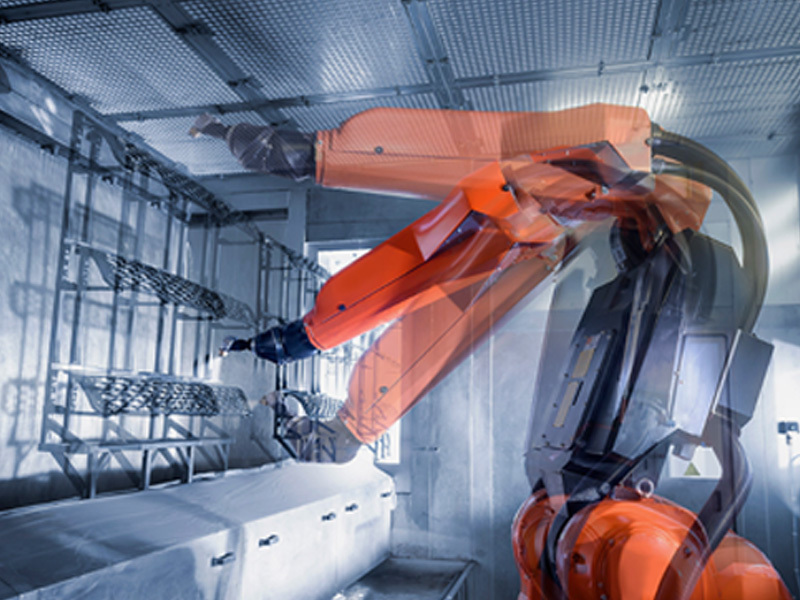
As technology evolves, electrostatic painting is poised for further advancements. Innovations such as improved materials, automation, and enhanced control systems are on the horizon. The integration of artificial intelligence and machine learning could also optimize painting processes, ensuring even greater efficiency and quality.
Additionally, with the growing emphasis on sustainability, future electrostatic painting machines are likely to incorporate more eco-friendly technologies, aligning with global sustainability goals.
Electrostatic painting machines represent a significant advancement in coating technology, unlocking new levels of efficiency, quality, and sustainability. Their ability to minimize waste, enhance finish quality, and adapt to various industrial applications makes them an invaluable asset in today’s manufacturing landscape. As technology continues to evolve, electrostatic painting is set to lead the charge toward more efficient and environmentally friendly coating processes, positioning industries for success in a competitive market. Embracing this technology is not just a choice; it is a strategic move toward a more productive and sustainable future.
Related articles

Building 1, Xiaweishui Industrial Zone, Bao'an District, Shenzhen, China


