


Maximizing Efficiency with Advanced Surface Coating Equipment
Release time:
2024-11-03
Maximizing Efficiency with Advanced Surface Coating Equipment Table of Contents 1. Introduction to Surface Coating Technologies 2. Importance of Advanced Surface Coating Equipment 3. Types of Surface Coating Equipment 3.1 Spray Coating Equipment 3.2 Powder Coating Systems 3.3 Electrostatic Coating Technology 4. Selecting t

1. Introduction to Surface Coating Technologies
In the competitive landscape of manufacturing, surface coating technologies have emerged as a pivotal element in enhancing product performance and durability. The process of applying a coating to a surface not only improves aesthetic appeal but also extends the lifespan of products by providing a protective layer against environmental factors. Advanced surface coating equipment has been developed to cater to diverse materials and applications, transforming the way industries approach manufacturing and production efficiency.
2. Importance of Advanced Surface Coating Equipment
The significance of advanced surface coating equipment cannot be overstated. As industries strive for higher quality standards and cost-effective solutions, the role of sophisticated coating techniques becomes increasingly vital. Advanced equipment enables manufacturers to achieve uniform coatings, reduce waste, and enhance operational efficiencies. By investing in innovative coating technologies, businesses can improve customer satisfaction through superior product performance while optimizing their production processes.
3. Types of Surface Coating Equipment
Understanding the different types of surface coating equipment is essential for selecting the most suitable technology for specific applications. Each type offers distinct advantages depending on the materials being coated and the desired outcomes.
3.1 Spray Coating Equipment
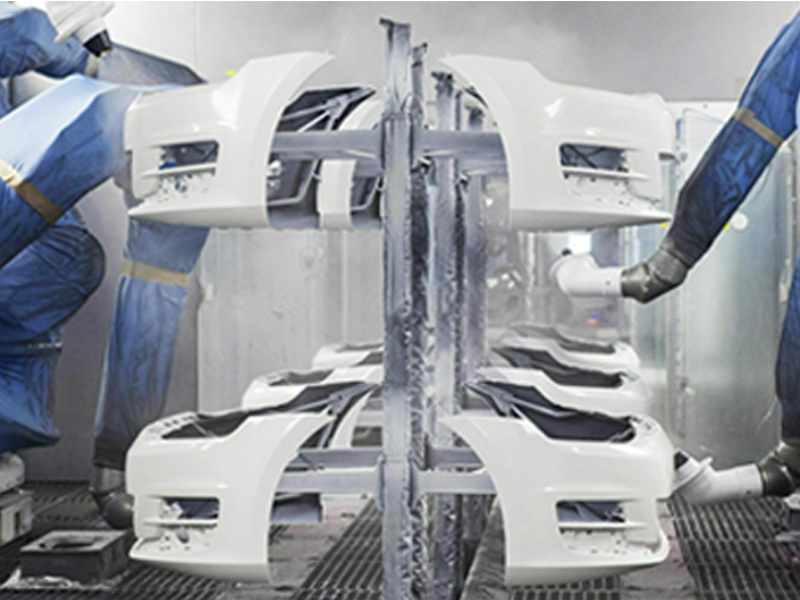
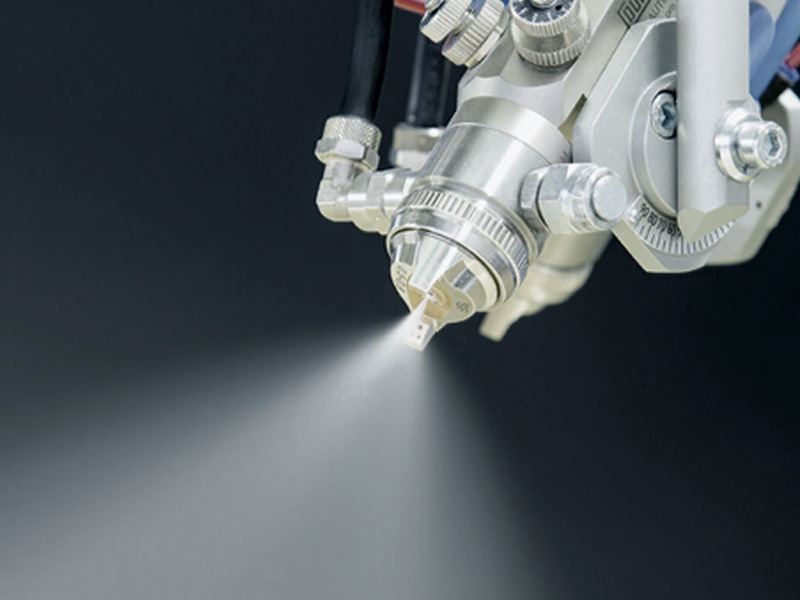
Spray coating equipment is widely used across various industries due to its versatility and efficiency. This method involves the atomization of liquid coating materials into fine droplets, which are then sprayed onto the target surface. The advantages of spray coating include:
- Uniform Coverage: Achieves even distribution over complex geometries.
- Speed: Allows for rapid application, reducing production time.
- Adaptability: Can be used with a range of materials, including paints, varnishes, and specialty coatings.
3.2 Powder Coating Systems
Powder coating systems utilize dry powder to create a protective finish that is both durable and aesthetically pleasing. This process involves electrostatically charging the powder particles, which adhere to the surface before being cured under heat. Benefits of powder coating systems include:
- Environmental Friendliness: Minimal volatile organic compounds (VOCs) released into the atmosphere.
- Durability: Provides a tougher, more resilient finish compared to traditional liquid coatings.
- Cost-Effectiveness: Lower materials wastage and reduced need for touch-ups.
3.3 Electrostatic Coating Technology
Electrostatic coating technology employs an electric charge to attract coating material to the targeted surface. This technique enhances coverage and minimizes overspray, leading to less waste and a more efficient application process. Key advantages include:
- High Transfer Efficiency: Maximizes the amount of coating that adheres to the surface.
- Versatility: Suitable for various applications, including metals, plastics, and composites.
- Cost Savings: Reduces material consumption and labor costs.
4. Selecting the Right Surface Coating Equipment
Choosing the appropriate surface coating equipment is crucial for maximizing operational efficiency. Several factors should be considered during the selection process:
1. Application Requirements: Assess the specific needs of the project, including the type of material, coating thickness, and desired finish.
2. Production Volume: Evaluate the production scale to determine whether high-speed equipment is necessary.
3. Budget Constraints: Balance the initial investment with long-term operational savings and efficiencies.
4. Technological Compatibility: Ensure that the chosen equipment can integrate with existing manufacturing systems.
5. Strategies for Maximizing Efficiency
To truly capitalize on advanced surface coating equipment, implementing strategic practices is essential. Below are key strategies that can lead to enhanced operational efficiency:
5.1 Automation in Surface Coating
Incorporating automation into surface coating processes can significantly improve consistency and reduce labor costs. Automated systems can handle repetitive tasks with precision, allowing human operators to focus on more complex activities. Benefits of automation include:
- Increased Speed: Faster application and processing times.
- Enhanced Consistency: Reduces variations in coating thickness and quality.
- Data Tracking: Facilitates better monitoring and analysis of production metrics.
5.2 Importance of Regular Maintenance
Regular maintenance of coating equipment is crucial for sustaining performance and prolonging equipment lifespan. Implementing a proactive maintenance schedule ensures that equipment operates at optimal efficiency, leading to decreased downtime and repair costs. Key maintenance practices include:
- Routine Inspections: Regular checks for wear and tear on machines.
- Cleaning Protocols: Keeping components free from residue to ensure smooth operation.
- Preventive Replacement: Timely replacement of parts that show signs of deterioration.
5.3 Staff Training and Development
Investing in staff training is essential for maximizing the potential of surface coating equipment. Properly trained personnel can operate equipment more effectively, troubleshoot issues efficiently, and maintain quality standards. Training can include:
- Operational Training: Understanding the mechanics and operation of coating equipment.
- Safety Protocols: Ensuring that employees are aware of workplace safety measures.
- Quality Control: Teaching staff how to assess finished products and identify defects.
6. Future Trends in Surface Coating Technologies
As industries evolve, so do surface coating technologies. The future of surface coating is likely to be influenced by trends such as:
- Sustainability Practices: A shift towards eco-friendly materials and processes.
- Smart Coating Technologies: Integration of IoT and AI to optimize coating applications and monitor quality in real time.
- Nanotechnology: Advancements in nano-coatings that provide superior protection and performance without adding significant weight.
Maximizing efficiency with advanced surface coating equipment is not just an operational choice; it is a strategic necessity in today’s competitive manufacturing environment. By understanding the different types of equipment available, selecting the right technology, and implementing strategies for optimization, businesses can significantly enhance their production capabilities. As we look to the future, embracing new technologies and sustainable practices will be paramount in achieving ongoing success in the industry. Investing in advanced surface coating solutions is a step towards not only improving product quality but also ensuring long-term operational viability.
Related articles


Building 1, Xiaweishui Industrial Zone, Bao'an District, Shenzhen, China


