


Understanding Spraying Lines: An Essential Component of Industrial Coating Processes
Release time:
2024-11-04
The spraying line is an essential component of modern industrial coating processes. By understanding its structure and functionality, businesses can leverage these systems to enhance product quality while optimizing operational efficiency

In the realm of industrial equipment and components, the spraying line is a vital system designed to apply paint, coatings, or other finishes to a variety of surfaces. These lines are integral to manufacturing processes in numerous industries, including automotive, aerospace, and furniture production, ensuring that products are not only visually appealing but also protected against environmental factors.
A spraying line typically consists of several key components: a pre-treatment area, a spraying booth, a drying zone, and a quality control section. Each of these elements plays a crucial role in the overall efficiency and effectiveness of the coating process.
The pre-treatment area is where surfaces are prepared for coating. This step usually involves cleaning and sometimes applying a primer to enhance adhesion. Proper preparation is essential as it directly affects the durability and finish quality of the final product.
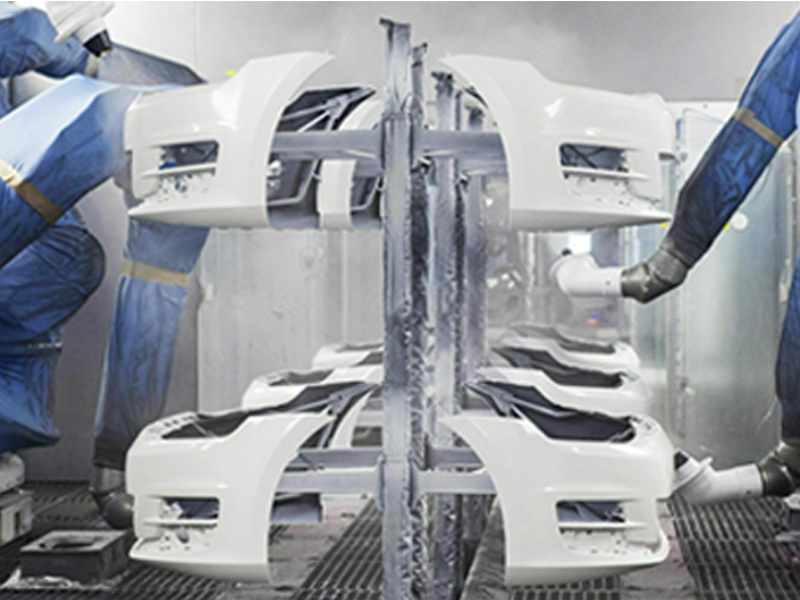
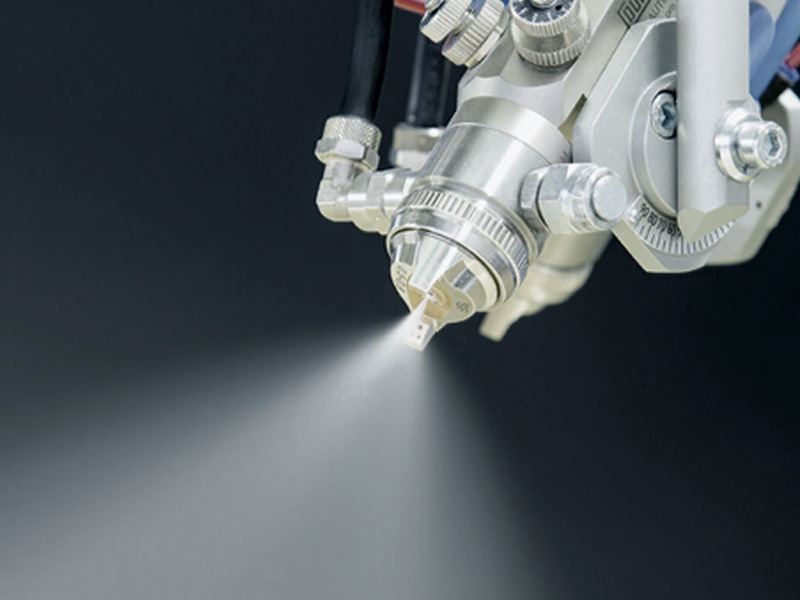
Next, the spraying booth is where the actual application of the coating takes place. This area is often equipped with advanced technologies such as electrostatic spray systems or high-volume low-pressure (HVLP) spray guns, which help to minimize overspray and improve transfer efficiency. The choice of technology can significantly impact the quality of the application, ensuring a uniform and smooth coating.
Following the application, the drying zone is where the coated items are cured. This step can involve either air drying or the use of ovens or infrared lamps, depending on the type of coating and the desired finish. Controlled drying is crucial, as it prevents issues such as runs, sags, or uneven textures, which can compromise the overall appearance and performance of the coating.
Finally, the quality control section ensures that every piece meets the required standards before it is shipped out. This can include visual inspections, adhesion tests, and thickness measurements to verify that the coating has been applied correctly and will perform as intended.
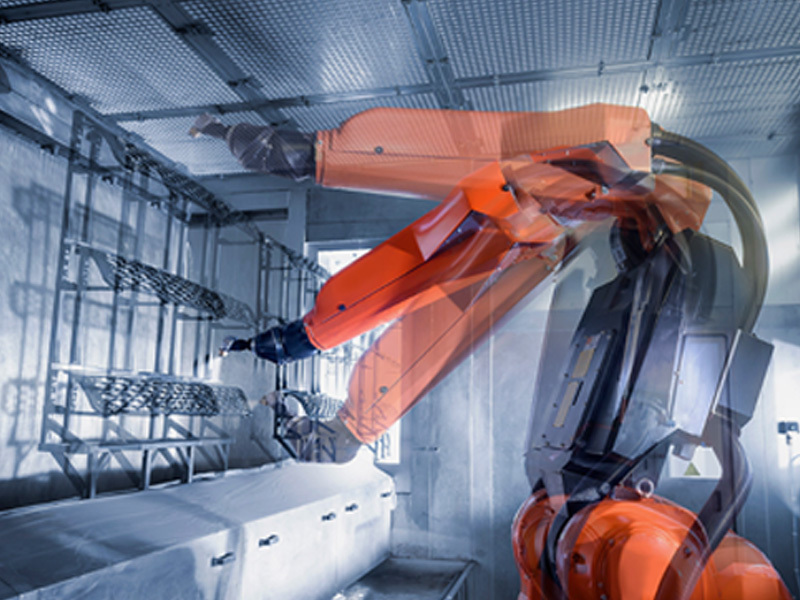
One of the primary advantages of using a spraying line is the increased efficiency it brings to the production process. Automated systems can significantly reduce the time required for coating applications compared to manual methods, allowing for higher throughput and consistent quality. Additionally, these lines can be tailored to meet the specific needs of various industries, enabling flexibility in production runs and coating types.
The spraying line is an essential component of modern industrial coating processes. By understanding its structure and functionality, businesses can leverage these systems to enhance product quality while optimizing operational efficiency. Whether in automotive manufacturing or furniture production, investing in a well-designed spraying line can lead to significant improvements in both output and product finish.
Related articles

Building 1, Xiaweishui Industrial Zone, Bao'an District, Shenzhen, China


