


Maximizing Efficiency with a Robot Spraying Line in Manufacturing
Release time:
2024-11-11
The integration of a robot spraying line in manufacturing environments presents a remarkable opportunity to maximize efficiency, improve product quality, and reduce operational costs

In the fast-paced world of manufacturing, efficiency is paramount. Companies strive to optimize their processes, reduce costs, and maintain high standards of quality. One of the most innovative solutions that has emerged is the robot spraying line. This technology not only streamlines operations but also addresses common challenges faced in traditional spraying methods, such as uneven application, waste, and labor-intensive processes.
By employing robotic systems for spraying tasks, companies can ensure precision, consistency, and speed. This article explores how implementing a robot spraying line can be a game changer for manufacturers looking to enhance their productivity.
Key Benefits of Implementing Robot Spraying Technology
Integrating a robot spraying line into manufacturing processes offers numerous advantages:
1. Enhanced Precision and Consistency
Robots excel at performing repetitive tasks with high accuracy, ensuring a uniform application of materials. This precision leads to better product quality, reducing the likelihood of defects and rework.
2. Increased Production Speed
Robotic systems can operate continuously, allowing for faster production cycles. This increased speed helps meet high demand without compromising quality.
3. Reduced Material Waste
Traditional spraying methods often result in overspray and waste. Robot spraying lines utilize advanced technology to minimize waste, leading to significant cost savings.
4. Improved Worker Safety
By automating spraying tasks, companies can reduce the exposure of workers to hazardous materials and chemicals, creating a safer work environment.
5. Flexibility and Scalability
Modern robotic systems can be easily reprogrammed for different products or configurations, offering manufacturers the flexibility to adapt to changing market demands.
How Robot Spraying Lines Work: A Detailed Overview
Understanding the mechanics of robot spraying lines is essential for manufacturers considering this technology:
1. Components of a Robot Spraying Line
A typical robot spraying line consists of several integral components:
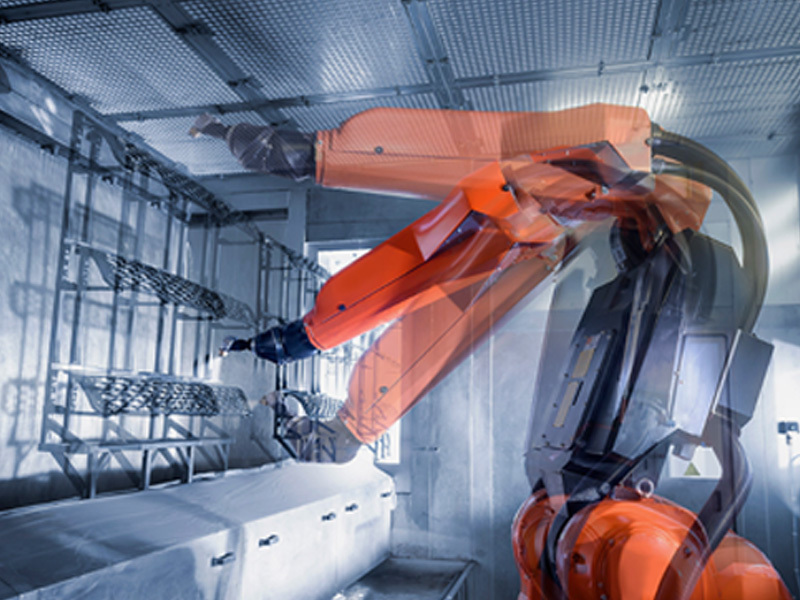
- Robotic Arm: The heart of the system, equipped with end-effectors designed for specific spraying tasks.
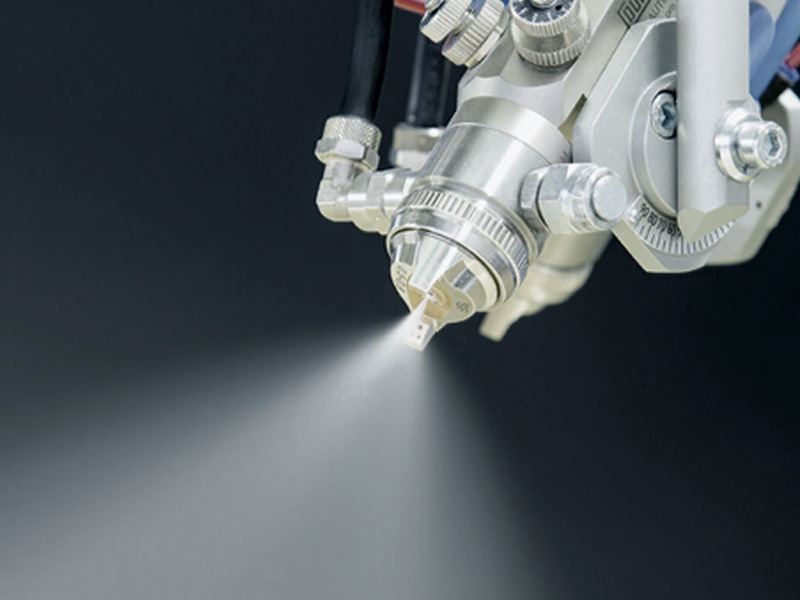
- Spray Guns: Various types of spray guns (airless, electrostatic, etc.) can be used depending on the application.
- Control System: Software that manages the robotic arm's movements and coordinates the spraying process.
- Conveyor System: An automated conveyor that moves products through the spraying area.
2. The Spraying Process
The spraying process generally follows these steps:
- Preparation: Products are positioned on the conveyor.
- Spraying: The robotic arm moves to spray the product, ensuring even coverage.
- Curing/Drying: Some applications require a curing phase, where the sprayed material hardens.
- Quality Inspection: Automated systems can also include inspection stations to ensure quality control before the product moves to the next stage.
Applications of Robot Spraying Lines Across Industries
Robot spraying lines are versatile and can be utilized across various sectors:
1. Automotive Industry
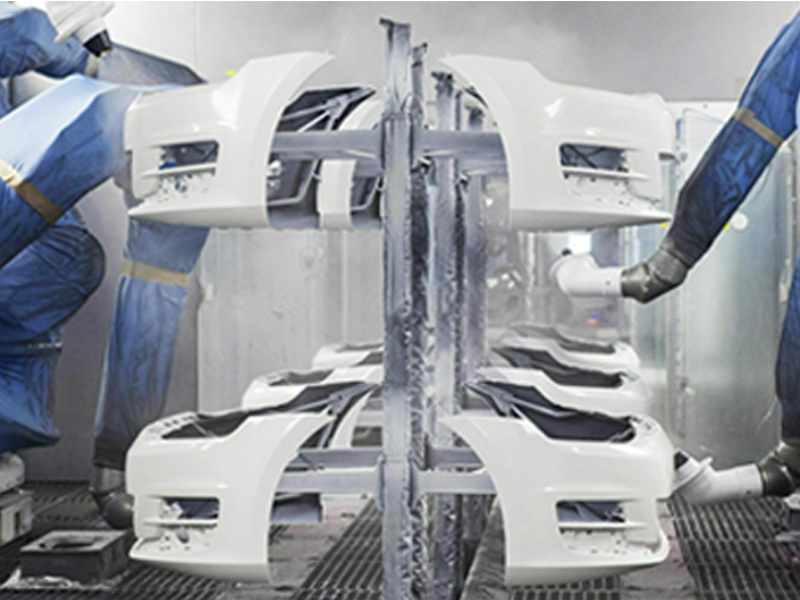
In the automotive sector, robotic spraying is employed for painting vehicles, applying protective coatings, and more. The precision of robots ensures a flawless finish while reducing paint consumption.
2. Aerospace Manufacturing
Aerospace components often require specialized coatings for durability and performance. Robot spraying lines can apply these coatings with high accuracy, meeting stringent industry standards.
3. Furniture Manufacturing
Robots spray finishes on furniture pieces, providing consistent results while reducing labor costs. The technology allows for quick changes between different finishes.
4. Electronics
In electronics manufacturing, robots can apply coatings to circuit boards to protect them from moisture and corrosion, which is crucial for product longevity.
Steps to Successfully Implement a Robot Spraying Line
Implementing a robot spraying line involves careful planning and execution:
1. Assessing Needs and Goals
Identify the specific needs of your manufacturing process. Consider factors such as production volume, types of materials used, and desired outcomes.
2. Selecting the Right Technology
Choose a robotic system that aligns with your objectives, taking into account the types of spray guns, robotic arms, and control systems that will best suit your needs.
3. Designing the Layout
Create an efficient layout that facilitates smooth workflow and minimizes bottlenecks. Ensure that the system integrates well with existing processes.
4. Training Personnel
Provide training for employees on how to operate and maintain the robot spraying line. This will enhance productivity and ensure safe operation.
5. Continuous Monitoring and Improvement
After implementation, continuously monitor the system's performance. Use data analytics to identify areas for improvement and optimize the spraying process over time.
Best Practices for Maximizing Efficiency with Robot Spraying
To get the most out of your robot spraying line, consider these best practices:
1. Regular Maintenance
Implement a routine maintenance schedule to keep the robotic system in peak condition. This will prevent downtime and ensure consistent performance.
2. Optimize Spray Settings
Regularly review and adjust spray settings based on material type and environmental conditions to maximize efficiency and minimize waste.
3. Utilize Advanced Software
Invest in software solutions that provide real-time monitoring and data analytics to help track productivity and identify issues quickly.
4. Collaborate with Experts
Engage with technology providers and industry experts to stay informed about the latest developments in robotic spraying technology and best practices.
Case Studies: Real-World Examples of Success
Examining successful implementations of robot spraying lines can provide valuable insights:
1. Automotive Paint Shop Transformation
A leading automotive manufacturer integrated a robot spraying line into their paint shop, resulting in a 30% increase in production speed and a significant reduction in paint waste. The precision of the robots ensured a consistently high-quality finish.
2. Aerospace Coating Efficiency
An aerospace company adopted robotic spraying technology to apply protective coatings on complex components, improving application accuracy by 40% and reducing labor costs by 25%.
Future Trends in Robotic Spraying Technology
As technology continues to advance, several trends are shaping the future of robot spraying lines:
1. Integration with AI and Machine Learning
Artificial Intelligence (AI) will play a significant role in optimizing spraying processes, enabling robots to learn from past performances and make real-time adjustments.
2. Increased Use of Collaborative Robots (Cobots)
The emergence of cobots will allow robots to work alongside human operators, enhancing flexibility and productivity in manufacturing environments.
3. Eco-Friendly Materials
As sustainability becomes a priority, manufacturers will increasingly seek eco-friendly coatings and materials, which robots can apply efficiently.
Conclusion: Enhancing Manufacturing Efficiency with Robotics
The integration of a robot spraying line in manufacturing environments presents a remarkable opportunity to maximize efficiency, improve product quality, and reduce operational costs. As industries continue to evolve with technological advancements, adopting robotic solutions becomes essential for maintaining a competitive edge. By understanding the benefits, implementation strategies, and best practices associated with robot spraying technology, manufacturers can successfully enhance their processes and achieve their production goals. Embracing this innovative approach not only leads to immediate improvements but also positions businesses for long-term success in an increasingly automated future.
Related articles

Building 1, Xiaweishui Industrial Zone, Bao'an District, Shenzhen, China


