


Enhancing Efficiency and Precision: The Role of Industrial Painting Robots
Release time:
2024-10-21
Explosion proof industrial painting robots represent a significant advancement in the realm of industrial painting and surface finishing. Their precision, speed, safety, and flexibility make them an invaluable asset for manufacturers looking to improve their operations

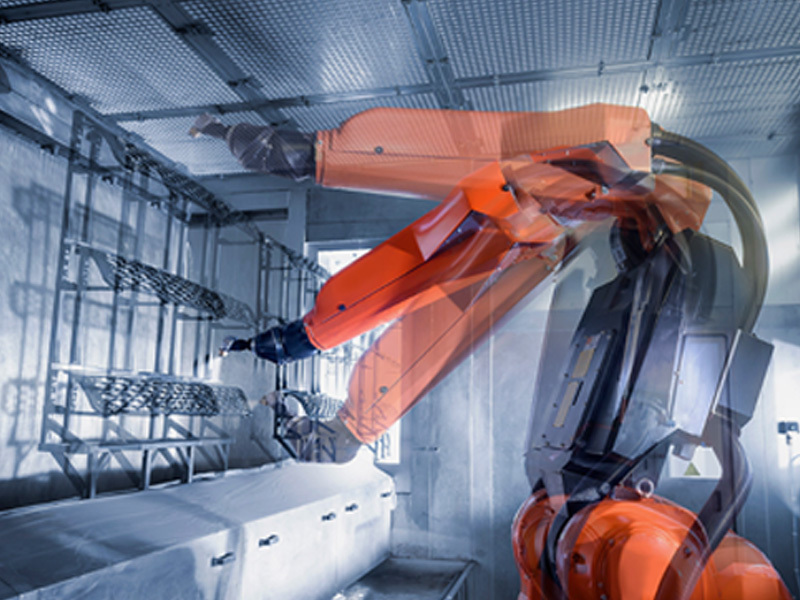
Explosion proof Industrial painting robots have emerged as a game-changer in the field of manufacturing and surface finishing. These automated systems provide manufacturers with the ability to achieve high-quality finishes consistently and efficiently, making them a preferred choice across various industries. By utilizing industrial painting robots, companies can enhance their operational efficiency while reducing labor costs and minimizing human error.
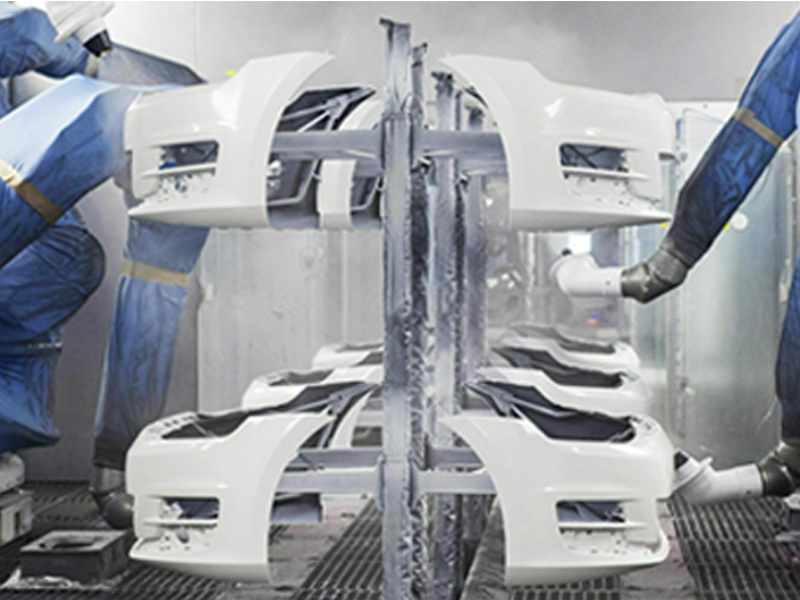
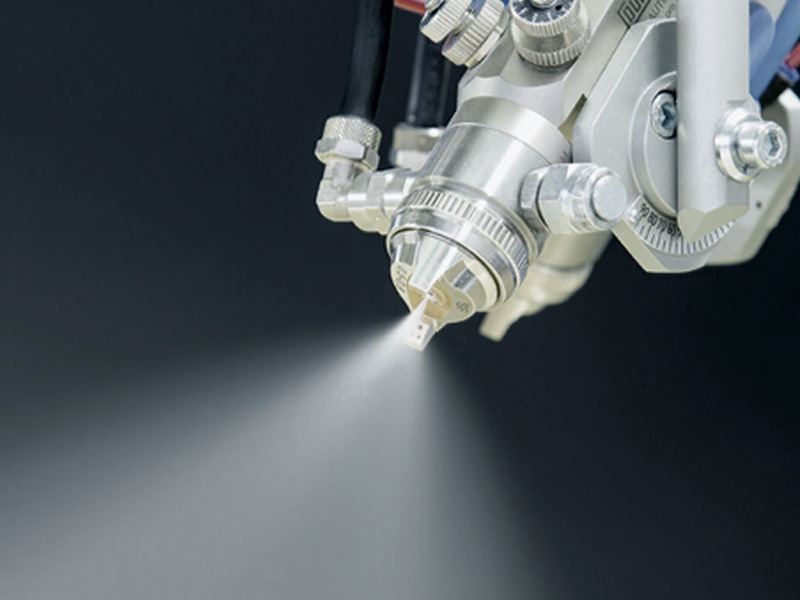
One of the most significant advantages of explosion proof industrial painting robots is their precision. Unlike manual painting methods, which can vary widely based on the skill and experience of the operator, robots deliver a consistent and uniform finish. This precision minimizes overspray and wastage of paint, leading to significant cost savings over time. Furthermore, these robots can be programmed to handle complex shapes and surfaces, ensuring that every part receives the necessary coverage without the risk of drips or uneven layers.
In addition to precision, industrial painting robots significantly improve speed and productivity. These systems can operate continuously, working around the clock without the need for breaks or downtime associated with human workers. This capability allows manufacturers to meet tight production schedules and respond quickly to market demands. Moreover, robots can be integrated into automated production lines, facilitating a seamless workflow from painting to assembly.
Another vital aspect of explosion proof industrial painting robots is their ability to enhance workplace safety. Painting is often a hazardous task, involving exposure to toxic fumes and chemicals. By employing robots, manufacturers can reduce the risk of accidents and health issues associated with manual painting, thereby promoting a safer working environment. Operators can oversee the robotic systems from a distance, minimizing their exposure to hazardous substances.
Flexibility is another key benefit of adopting explosion proof industrial painting robots. These systems can be easily reprogrammed to accommodate different painting requirements and product designs. This adaptability is particularly valuable for manufacturers who produce a variety of products or need to switch between projects frequently. By quickly adjusting the robot's programming, companies can reduce downtime and maintain productivity.
The integration of advanced technologies, such as artificial intelligence and machine learning, is further enhancing the capabilities of industrial painting robots. These developments allow for real-time adjustments based on environmental conditions and surface characteristics, ensuring optimal application results. Additionally, data analytics can be employed to monitor performance and identify areas for improvement.
Explosion proof industrial painting robots represent a significant advancement in the realm of industrial painting and surface finishing. Their precision, speed, safety, and flexibility make them an invaluable asset for manufacturers looking to improve their operations. By embracing these technologies, companies can not only enhance the quality of their finished products but also achieve greater overall efficiency in their production processes.
Related articles

Building 1, Xiaweishui Industrial Zone, Bao'an District, Shenzhen, China


