


The Evolution and Advantages of Paint Spraying Robots in Industrial Applications
Release time:
2024-10-23
Paint spraying robots represent a significant advancement in industrial painting processes. Their ability to provide consistent, efficient, and safe applications makes them an invaluable asset for businesses looking to improve their production methods

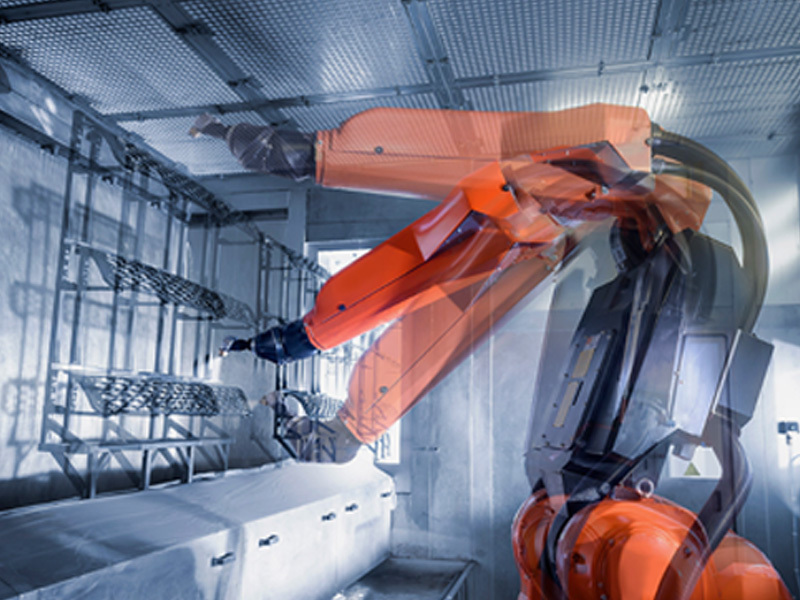
As industries evolve, the demand for precision and efficiency in manufacturing processes has led to the increasing adoption of paint spraying robots. These innovative machines are designed to automate the painting process, bringing numerous advantages to various sectors, including automotive, aerospace, and consumer goods. Understanding the functionality and benefits of paint spraying robots can assist businesses in making informed decisions about their production methods.

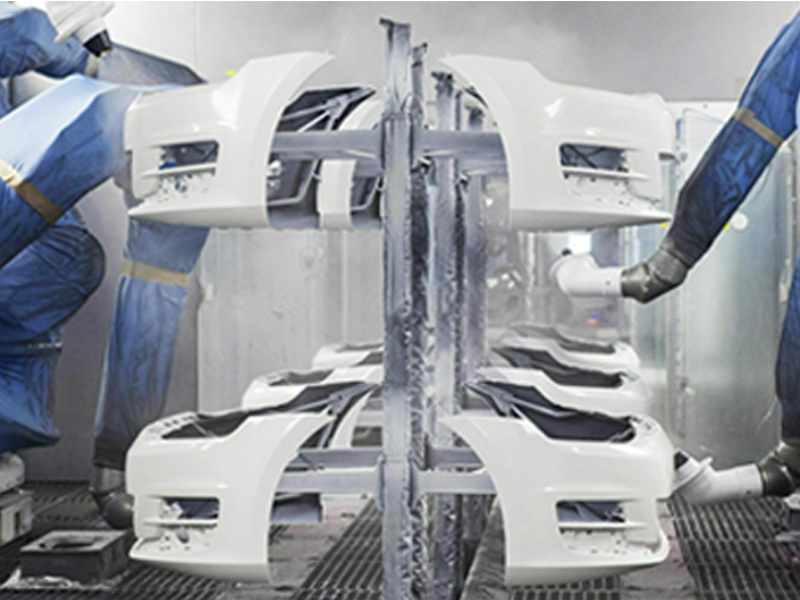
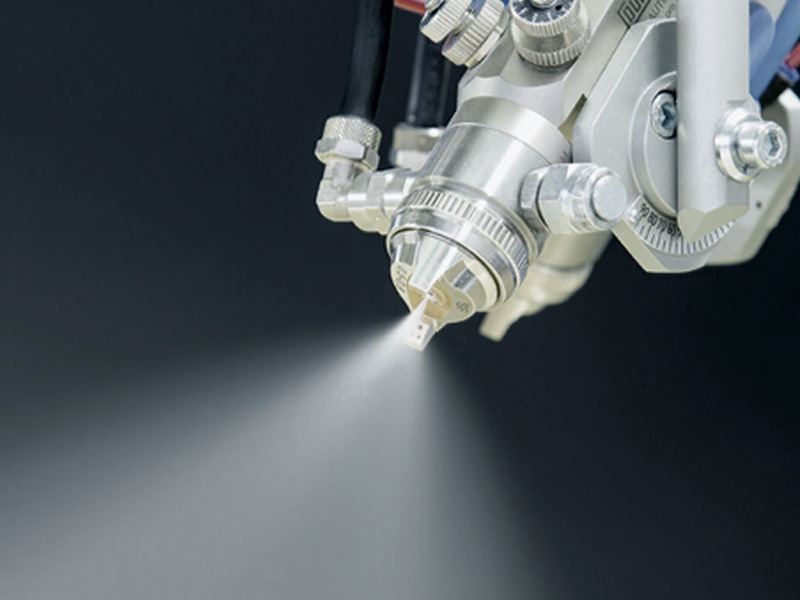
Paint spraying robots are equipped with advanced technology that allows for precise control over the application of paint. Unlike manual spraying, which can be inconsistent and subject to human error, robots ensure a uniform coating across surfaces. This consistency is crucial in industries where aesthetic quality is paramount. Moreover, the ability to program these robots for specific tasks means that they can adapt to different materials and coatings, further enhancing their versatility.
One of the most significant advantages of using paint spraying robots is the increase in efficiency. These robots can operate continuously, reducing downtime and labor costs associated with manual painting. In many cases, paint spraying robots can complete tasks faster than human workers, resulting in higher throughput for production lines. This efficiency is particularly beneficial in high-volume manufacturing environments, where time is money.
In addition to speed and consistency, paint spraying robots also contribute to safety and sustainability. By automating the spraying process, the exposure of workers to harmful solvents and fumes is minimized, leading to a safer working environment. Furthermore, these robots are designed to optimize paint usage, reducing waste and contributing to more sustainable production practices. By ensuring an even application of paint, they help prevent over-spraying and minimize the amount of overspray that typically occurs in manual processes.
The technological advancements seen in paint spraying robots, such as artificial intelligence and machine learning, further enhance their capabilities. These technologies allow robots to learn and adapt their spraying techniques based on feedback, improving their performance over time. Additionally, many modern paint spraying robots are equipped with sensors that can detect surface conditions and adjust the application parameters accordingly, ensuring optimal results.
Paint spraying robots represent a significant advancement in industrial painting processes. Their ability to provide consistent, efficient, and safe applications makes them an invaluable asset for businesses looking to improve their production methods. As technology continues to evolve, the role of paint spraying robots is expected to grow even more, making them a critical component of modern manufacturing strategies. Embracing this technology can lead to increased productivity, improved quality, and a safer working environment, positioning companies for future success in an increasingly competitive landscape.
Related articles

Building 1, Xiaweishui Industrial Zone, Bao'an District, Shenzhen, China


