


An In-Depth Look at Automated Painting Production Line Technologies
Release time:
2025-10-15
An In-Depth Look at Automated Painting Production Line Technologies Table of Contents 1. Introduction to Automated Painting Production Lines 2. A Brief History of Painting Technologies in Industry 3. Key Components of Automated Painting Production Lines 4. Benefits of Automated Painting Production Lines 5. The Automated Painting Process Explained 6. Case Studies: Success S

An In-Depth Look at Automated Painting Production Line Technologies
Table of Contents
- 1. Introduction to Automated Painting Production Lines
- 2. A Brief History of Painting Technologies in Industry
- 3. Key Components of Automated Painting Production Lines
- 4. Benefits of Automated Painting Production Lines
- 5. The Automated Painting Process Explained
- 6. Case Studies: Success Stories in Automated Painting
- 7. Future Trends in Automated Painting Technologies
- 8. Frequently Asked Questions
- 9. Conclusion
1. Introduction to Automated Painting Production Lines
The industrial sector has witnessed remarkable advancements in technology, particularly in the realm of automated painting production lines. These systems are designed to enhance productivity, ensure uniformity, and streamline operations in manufacturing environments. With automation at the forefront, companies can achieve higher quality finishes while minimizing labor costs and reducing waste.
The significance of automated painting technologies can't be overstated. These systems not only cater to the needs of various industries, including automotive, aerospace, and consumer goods, but they also set new standards for efficiency and precision. This article provides an in-depth exploration of automated painting production line technologies, covering their components, benefits, and future trends.
2. A Brief History of Painting Technologies in Industry
The evolution of painting technologies in industrial settings can be traced back to manual processes that relied heavily on skilled labor. Traditional painting methods were labor-intensive, often leading to inconsistencies in finish quality. With the advent of machinery during the Industrial Revolution, the painting process began to undergo significant changes.
By the 20th century, advancements in spray painting technology allowed for faster and more efficient coating applications. The introduction of robotic systems in the1980s marked a turning point, enabling precise and automated painting processes. Today, the integration of smart technologies and IoT (Internet of Things) has further revolutionized automated painting lines.
3. Key Components of Automated Painting Production Lines
To fully understand automated painting production lines, it is essential to explore their key components, which include:
3.1 Robotic Arms
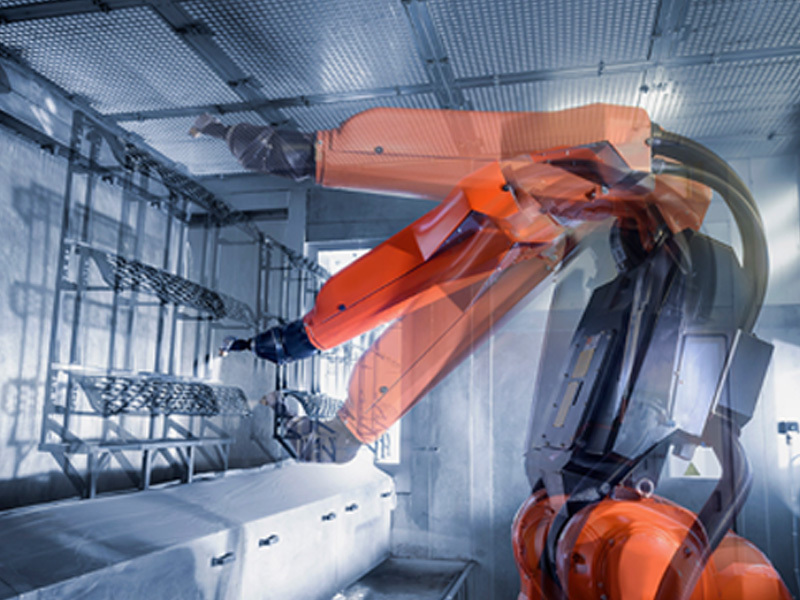
Robotic arms are the heart of any automated painting line. These programmable machines are capable of performing repetitive tasks with high accuracy. Equipped with advanced sensors and software, they ensure consistent application of paint, reducing the risk of human error.
3.2 Conveyor Systems
Conveyor systems play a vital role in transporting items through various stages of the painting process. They facilitate the smooth movement of products while maintaining optimal speed and efficiency.
3.3 Paint Application Systems
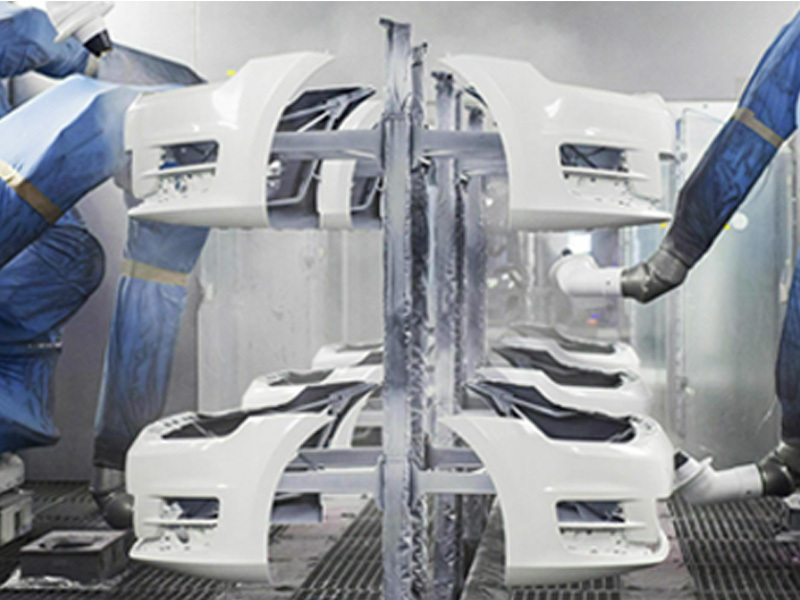
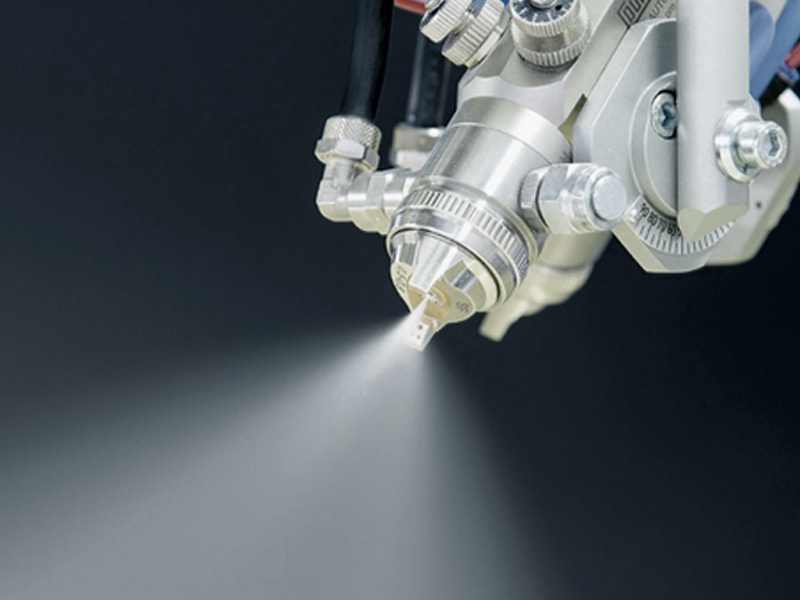
Different paint application technologies, such as electrostatic spray guns, HVLP (High Volume Low Pressure), and airless spray systems, are employed to ensure a uniform coat. These systems are designed to minimize overspray and material waste.
3.4 Curing Systems
Curing systems are crucial for ensuring that the applied paint adheres properly and cures to form a durable finish. Various methods, including UV curing and infrared curing, are utilized to speed up the drying process.
3.5 Quality Control Systems
Quality control systems are integrated to monitor and ensure that the painting process meets established standards. Advanced technologies such as machine vision and sensors are used to detect defects and inconsistencies in real-time.
4. Benefits of Automated Painting Production Lines
Automated painting production lines offer numerous advantages that significantly enhance operational efficiency and product quality:
4.1 Increased Efficiency
Automation streamlines the painting process, reducing time spent on each task. This increased efficiency translates into higher production rates and faster turnaround times.
4.2 Consistent Quality
With robotic arms and advanced application systems, automated painting lines provide a consistent finish across all products, minimizing the likelihood of defects.
4.3 Reduced Labor Costs
By minimizing the need for manual labor, companies can significantly reduce labor costs associated with the painting process. This allows for a reallocation of resources to other critical areas of production.
4.4 Lower Material Waste
Automated systems are designed to optimize paint usage, significantly reducing overspray and waste. This not only saves costs but also supports environmentally friendly practices.
4.5 Enhanced Safety
Automated painting lines reduce the exposure of workers to hazardous materials and chemicals, improving overall workplace safety.
5. The Automated Painting Process Explained
The automated painting process involves several key stages, each designed to ensure that products receive the highest quality finish:
5.1 Pre-treatment
Before painting, items undergo a pre-treatment process that may include cleaning, sanding, and applying primers. This stage is essential for ensuring good adhesion of the paint.
5.2 Painting
During the painting stage, robotic arms apply the paint uniformly over the product surface using sophisticated application techniques. The choice of technique will depend on the materials being painted and the desired finish.
5.3 Curing
Once the paint is applied, it must be cured. This process can involve heat, UV light, or other methods to ensure that the paint bonds effectively and develops durability.
5.4 Quality Inspection
After curing, the products undergo rigorous quality inspection. Automated systems equipped with vision technology can detect any defects in the finish, ensuring that only products meeting quality standards proceed to the next stage.
6. Case Studies: Success Stories in Automated Painting
Real-world applications of automated painting production lines illustrate their effectiveness and advantages. Here are a few notable case studies:
6.1 Automotive Industry
A major automotive manufacturer integrated an automated painting line to reduce cycle times and improve finish quality. The result was a 30% increase in production efficiency and a significant reduction in paint waste, allowing the company to achieve both sustainability and profitability.
6.2 Aerospace Sector
In the aerospace industry, precision and quality are paramount. An aerospace company implemented an automated painting system that not only improved finish consistency but also enhanced compliance with stringent safety regulations. This adoption resulted in fewer rejections and improved time-to-market.
6.3 Consumer Goods
A consumer goods manufacturer faced challenges with manual painting processes that led to quality inconsistencies. By adopting an automated painting line, they achieved a remarkable reduction in defects and a 25% increase in production output, allowing them to meet growing demand.
7. Future Trends in Automated Painting Technologies
As technology continues to evolve, several trends are shaping the future of automated painting production lines:
7.1 Integration of AI and Machine Learning
Artificial intelligence and machine learning are being integrated into painting systems to enhance decision-making processes. These technologies enable predictive maintenance, ensuring that equipment operates efficiently and reduces downtime.
7.2 Increased Customization
The demand for customized products is on the rise. Future automated painting lines will be designed to accommodate varying specifications without compromising efficiency.
7.3 Sustainable Solutions
There is a growing emphasis on sustainability in manufacturing. Automated painting technologies are evolving to incorporate eco-friendly materials and processes that minimize environmental impact.
8. Frequently Asked Questions
8.1 What industries benefit the most from automated painting production lines?
Automated painting production lines are especially beneficial in industries such as automotive, aerospace, electronics, and consumer goods, where high-quality finishes and efficiency are crucial.
8.2 How do automated painting lines improve product quality?
These systems reduce human error, ensure uniform paint application, and utilize rigorous quality control measures, all contributing to higher product quality.
8.3 Can automated painting systems handle various paint types?
Yes, automated painting systems are designed to accommodate a wide range of paint types, including water-based, solvent-based, and specialty coatings.
8.4 What is the lead time for implementing an automated painting line?
The lead time can vary significantly based on the complexity of the line and the specific requirements of the business. Typically, it ranges from a few months to over a year.
8.5 How do automated painting lines contribute to sustainability?
By optimizing paint usage and reducing waste, automated painting lines help lower carbon footprints. Additionally, many systems are designed to use eco-friendly paints and coatings.
9. Conclusion
Automated painting production lines are redefining the landscape of manufacturing across various industries. By embracing these advanced technologies, companies can achieve unprecedented levels of efficiency, quality, and sustainability. As we move into the future, the integration of AI, machine learning, and eco-friendly practices will further enhance the capabilities and advantages of automated painting systems. Embracing these innovations not only prepares businesses for future challenges but also positions them as leaders in their respective markets. Investing in automated painting technologies is not just a trend; it's a necessary step towards achieving excellence in production processes.
Related articles

Building 1, Xiaweishui Industrial Zone, Bao'an District, Shenzhen, China


