


Maximizing Efficiency: The Benefits of Energy-Saving Spray Painting Equipment
Release time:
2025-09-05
In the industrial equipment sector, the demand for energy efficiency has never been more pronounced. “Energy saving spray painting of equipment” is a critical topic for manufacturers looking to streamline their operations while minimizing their environmental footprint. This approach not only contributes to sustainability but also significantly impacts operational costs and productivity. Energy-sav

In the industrial equipment sector, the demand for energy efficiency has never been more pronounced. “Energy saving spray painting of equipment” is a critical topic for manufacturers looking to streamline their operations while minimizing their environmental footprint. This approach not only contributes to sustainability but also significantly impacts operational costs and productivity.
Energy-saving spray painting technologies focus on reducing the energy consumption associated with traditional spray painting processes. Conventional methods often involve high volumes of paint, excessive overspray, and inefficient drying times, leading to increased energy usage and waste. By utilizing advanced spray painting equipment, businesses can optimize their operations to achieve higher efficiency and lower energy costs.
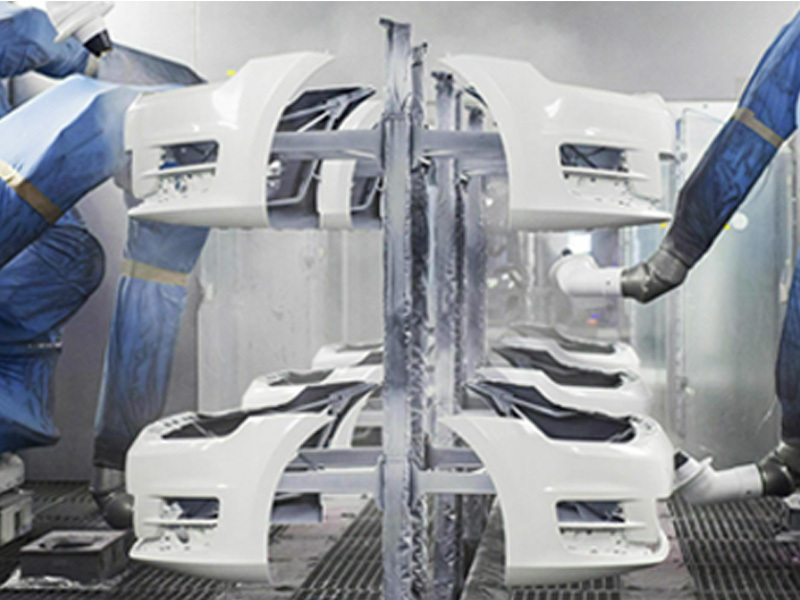
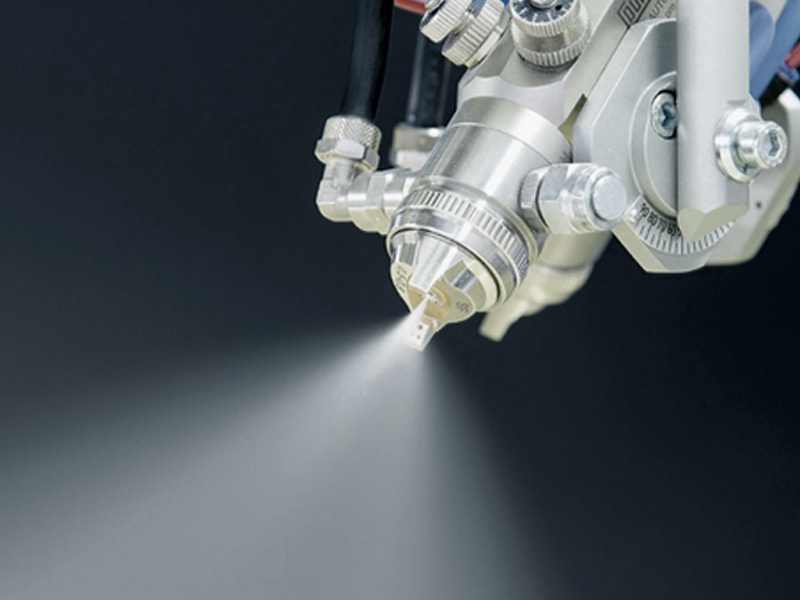
One of the primary advancements in energy-saving spray painting is the implementation of High Efficiency Airless (HEA) technology. This system allows for a controlled application of coatings, minimizing overspray and ensuring that more paint adheres to the intended surface. Consequently, less paint is required overall, which not only conserves resources but also reduces the energy needed to produce and transport those materials.
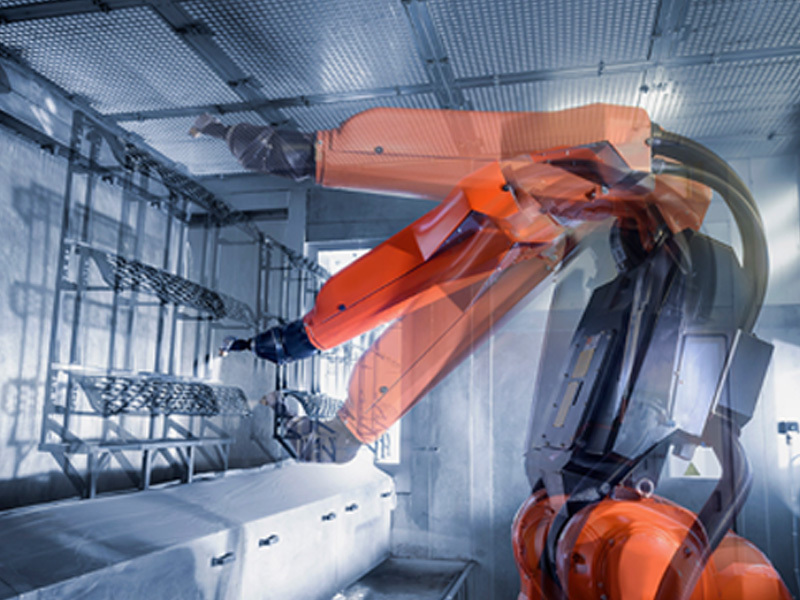
Moreover, energy-efficient spray painting systems often incorporate automated controls and monitoring systems. These technologies enable manufacturers to optimize their painting parameters in real time, adjusting flow rates and spray patterns to suit specific requirements. This level of precision ensures that each painting job is executed with minimal waste, further enhancing energy efficiency.
In addition to reducing paint and energy consumption, energy-saving spray painting equipment can significantly decrease drying times. Traditional methods often require lengthy drying periods, consuming extra energy through prolonged heating or air circulation. With modern equipment, advanced drying technologies such as infrared and UV curing can expedite this process, allowing for quicker throughput and increased production rates.
Another benefit of energy-saving spray painting is its positive impact on worker safety and comfort. Many traditional spray painting processes involve harmful solvents and chemicals that can pose hazards to workers. By adopting eco-friendly coatings and energy-efficient systems, companies can create a safer work environment, reducing exposure to harmful substances and improving overall air quality.
In conclusion, the move towards energy-saving spray painting of equipment represents a significant shift in the industrial landscape. By investing in advanced, energy-efficient technologies, businesses can not only cut costs but also contribute to environmental sustainability. As industries evolve, embracing these innovations will be crucial for maintaining competitiveness and promoting responsible manufacturing practices. Transitioning to energy-saving solutions is not just beneficial for the bottom line; it is also a step towards a more sustainable future for the planet.
Energy-saving spray painting technologies focus on reducing the energy consumption associated with traditional spray painting processes. Conventional methods often involve high volumes of paint, excessive overspray, and inefficient drying times, leading to increased energy usage and waste. By utilizing advanced spray painting equipment, businesses can optimize their operations to achieve higher efficiency and lower energy costs.
One of the primary advancements in energy-saving spray painting is the implementation of High Efficiency Airless (HEA) technology. This system allows for a controlled application of coatings, minimizing overspray and ensuring that more paint adheres to the intended surface. Consequently, less paint is required overall, which not only conserves resources but also reduces the energy needed to produce and transport those materials.
Moreover, energy-efficient spray painting systems often incorporate automated controls and monitoring systems. These technologies enable manufacturers to optimize their painting parameters in real time, adjusting flow rates and spray patterns to suit specific requirements. This level of precision ensures that each painting job is executed with minimal waste, further enhancing energy efficiency.
In addition to reducing paint and energy consumption, energy-saving spray painting equipment can significantly decrease drying times. Traditional methods often require lengthy drying periods, consuming extra energy through prolonged heating or air circulation. With modern equipment, advanced drying technologies such as infrared and UV curing can expedite this process, allowing for quicker throughput and increased production rates.
Another benefit of energy-saving spray painting is its positive impact on worker safety and comfort. Many traditional spray painting processes involve harmful solvents and chemicals that can pose hazards to workers. By adopting eco-friendly coatings and energy-efficient systems, companies can create a safer work environment, reducing exposure to harmful substances and improving overall air quality.
In conclusion, the move towards energy-saving spray painting of equipment represents a significant shift in the industrial landscape. By investing in advanced, energy-efficient technologies, businesses can not only cut costs but also contribute to environmental sustainability. As industries evolve, embracing these innovations will be crucial for maintaining competitiveness and promoting responsible manufacturing practices. Transitioning to energy-saving solutions is not just beneficial for the bottom line; it is also a step towards a more sustainable future for the planet.
Related articles

Building 1, Xiaweishui Industrial Zone, Bao'an District, Shenzhen, China


