


Revolutionizing Efficiency: How Advanced Robot Painting Machines Transform Industrial Coating
Release time:
2025-08-29
Revolutionizing Efficiency: How Advanced Robot Painting Machines Transform Industrial Coating Table of Contents 1. Introduction to Advanced Robot Painting Machines 2. The Importance of Efficient Coating in Industry 3. Technology Behind Robot Painting Machines 4. Key Benefits of Advanced Robot Painting Machines 4.1. Precision and Consistency 4.2. Co

Revolutionizing Efficiency: How Advanced Robot Painting Machines Transform Industrial Coating
Table of Contents
- 1. Introduction to Advanced Robot Painting Machines
- 2. The Importance of Efficient Coating in Industry
- 3. Technology Behind Robot Painting Machines
- 4. Key Benefits of Advanced Robot Painting Machines
- 4.1. Precision and Consistency
- 4.2. Cost Efficiency and Reduced Waste
- 4.3. Enhanced Safety Standards
- 4.4. Flexibility and Customization
- 5. Case Studies: Real-World Applications
- 6. The Future of Industrial Coating with Robot Painting Machines
- 7. Challenges in Implementing Robot Painting Technology
- 8. Frequently Asked Questions
- 9. Conclusion
1. Introduction to Advanced Robot Painting Machines
In the fast-evolving landscape of industrial manufacturing, **advanced robot painting machines** stand at the forefront of innovation. These machines have revolutionized the process of coating, offering unprecedented levels of efficiency and quality. With the increasing demand for precision and consistency in industrial finishes, robot painting technology has become indispensable.
The integration of automation in the coating process not only enhances productivity but also meets the stringent quality standards required in various industries, including automotive, aerospace, and electronics. As we delve deeper into the world of robot painting machines, we will uncover the myriad ways in which they are transforming industrial coating practices.
2. The Importance of Efficient Coating in Industry
Efficient coating is critical for the longevity and functionality of products across multiple sectors. In industries ranging from automotive to electronics, the coating serves to protect products from environmental damage, enhancing durability and aesthetic appeal. The **quality of the coating** directly impacts product performance, customer satisfaction, and overall production costs.
Moreover, with the growing emphasis on sustainability and environmental responsibility, industries are under pressure to adopt more efficient coating processes that minimize waste and reduce the carbon footprint. This urgency has fueled the development and adoption of advanced robot painting machines, which promise to deliver enhanced efficiency while meeting ecological standards.
3. Technology Behind Robot Painting Machines
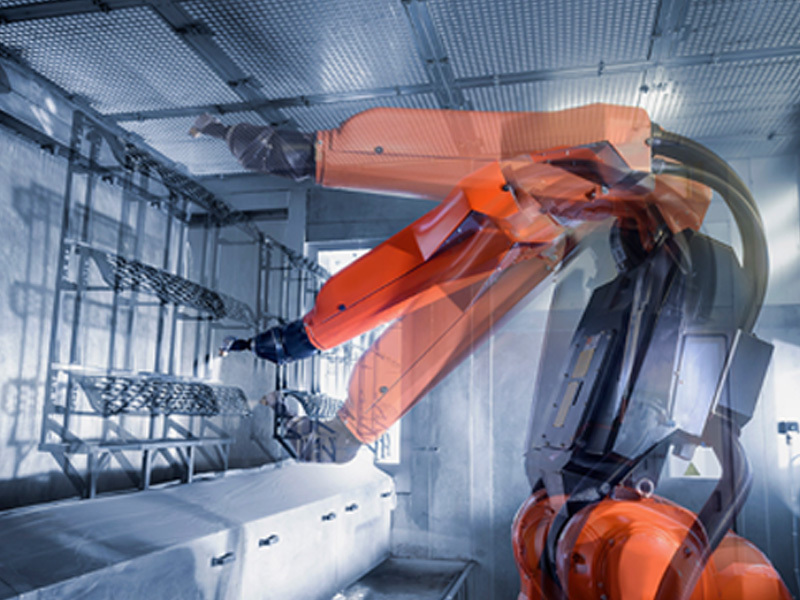
Robot painting machines employ sophisticated technology designed to automate the complex process of applying coatings. At the heart of these machines are advanced algorithms and sensors that ensure optimal performance.
One of the key technologies is **3D scanning**, which allows robots to accurately assess the surface area and configure their movements for precise paint application. Additionally, **AI-powered control systems** enable these machines to learn from previous jobs and adapt to varying conditions, ensuring seamless operation.
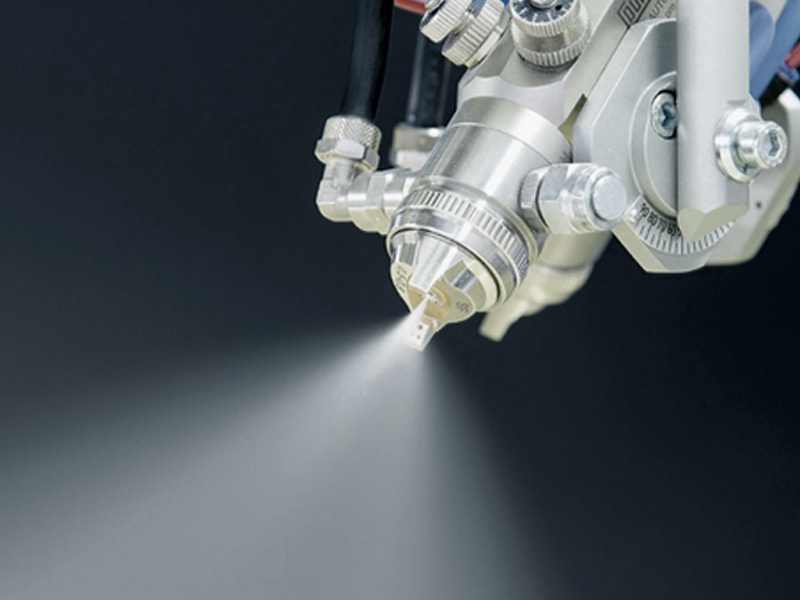
The use of **high-precision spray nozzles** and **electrostatic charging** further enhances the efficiency and quality of the coating. Electrostatic spraying optimizes paint transfer efficiency, reducing overspray and waste, thus ensuring a more environmentally friendly process.
4. Key Benefits of Advanced Robot Painting Machines
As industries increasingly integrate advanced robot painting machines into their operations, several benefits become evident.
4.1. Precision and Consistency
One of the standout features of robot painting machines is their ability to deliver unmatched precision and consistency. Unlike human operators, robots can execute the same task repeatedly with high accuracy, ensuring uniform paint application across all products. This consistency not only enhances product quality but also reduces the risk of defects.
4.2. Cost Efficiency and Reduced Waste
Implementing robot painting technology significantly reduces operational costs. By minimizing paint waste through improved transfer efficiency and applying the right amount of coating material, companies can save on material costs. Furthermore, robots can work continuously without breaks, boosting overall productivity and reducing labor costs.
4.3. Enhanced Safety Standards
Safety in the workplace is paramount, especially when dealing with hazardous materials commonly used in coating processes. Robot painting machines mitigate risks associated with manual spraying by reducing human exposure to harmful substances. This leads to a safer working environment while adhering to stringent health and safety regulations.
4.4. Flexibility and Customization
Modern robot painting machines are designed to handle a variety of materials and coating types, providing manufacturers with greater flexibility. With programming capabilities that allow for quick adjustments, these machines can switch between different paints and application techniques, accommodating diverse production needs without significant downtime.
5. Case Studies: Real-World Applications
Exploring real-world applications of advanced robot painting machines reveals their transformative impact across various industries.
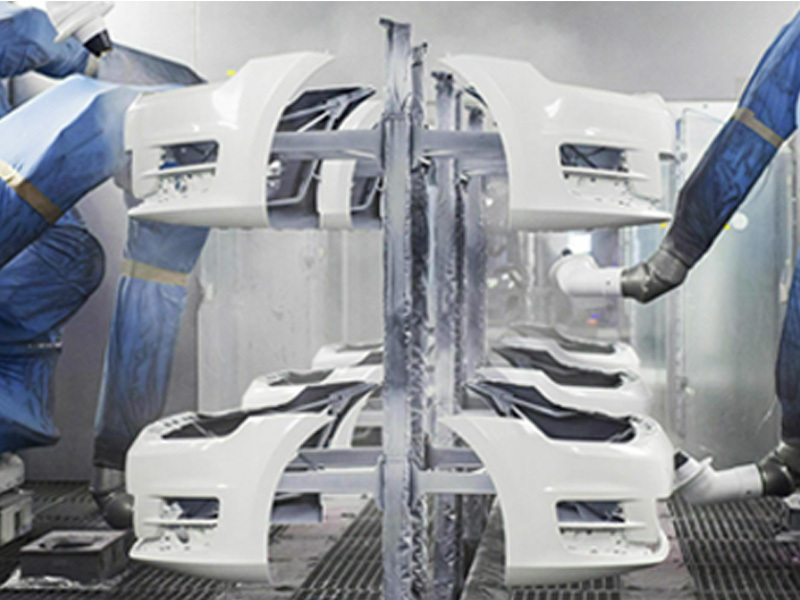
For instance, leading automotive manufacturers have integrated these machines to enhance the quality of car finishes while speeding up production lines. The use of robot painting technology has resulted in a notable reduction in labor costs and an increase in output.
In the aerospace sector, companies utilize robot painting for the precise coating of aircraft components. The ability to apply coatings uniformly and efficiently ensures compliance with safety regulations while maintaining the integrity of lightweight materials used in modern aircraft.
6. The Future of Industrial Coating with Robot Painting Machines
As we look ahead, the future of industrial coating appears promising, with ongoing advancements in robot painting technologies. The introduction of **machine learning** and **artificial intelligence** is set to further enhance automation, allowing machines to optimize processes based on real-time data and feedback.
Moreover, the development of innovative coating materials, including **environmentally friendly paints**, aligns with global sustainability goals. This shift is likely to drive demand for advanced robot painting machines capable of handling these new materials efficiently.
7. Challenges in Implementing Robot Painting Technology
Despite the numerous advantages, the transition to robot painting technology is not without challenges. Initial investment costs can be significant, and companies may face hurdles in integrating these systems into existing production lines.
Additionally, skilled personnel are required to operate and maintain these sophisticated machines, necessitating investment in training and development. Overcoming these challenges is essential for companies looking to capitalize on the benefits offered by advanced robot painting technology.
8. Frequently Asked Questions
What are robot painting machines?
Robot painting machines are automated systems designed to apply coatings to various surfaces with high precision and efficiency, minimizing human involvement.
How do robot painting machines improve efficiency?
These machines enhance efficiency by automating the painting process, reducing waste, ensuring consistent quality, and operating continuously without breaks.
What industries benefit from robot painting technology?
Industries such as automotive, aerospace, electronics, and manufacturing significantly benefit from robot painting technology due to its efficiency, quality, and safety.
Are robot painting machines safe?
Yes, robot painting machines improve workplace safety by reducing human exposure to hazardous materials and ensuring adherence to safety regulations.
What is the future of robot painting technology?
The future of robot painting technology includes advancements in machine learning, AI optimization, and the adoption of eco-friendly materials, driving greater efficiency and sustainability.
9. Conclusion
The advent of advanced robot painting machines marks a significant turning point in the industrial coating landscape. By revolutionizing efficiency, enhancing precision, and ensuring safety, these machines are setting new benchmarks for quality in various industries. As we continue to embrace technological advancements, the potential for increased productivity and sustainability in industrial coating practices appears boundless.
Incorporating robot painting machines is not just a trend; it is a strategic move towards a more efficient, cost-effective, and environmentally responsible future in manufacturing. Embracing these innovations will inevitably lead to greater competitiveness in the global market.
Related articles

Building 1, Xiaweishui Industrial Zone, Bao'an District, Shenzhen, China


