


Transform Your Spray Painting Process with High Yield Robotic Arms
Release time:
2025-08-27
Transform Your Spray Painting Process with High Yield Robotic Arms Table of Contents 1. Introduction 2. Understanding Robotic Arms in Spray Painting 3. Benefits of High Yield Robotic Arms 3.1 Precision and Consistency 3.2 Efficiency and Speed 3.3 Cost-Effectiveness 4. Applications of Robotic Arms in Spray Painting 5. Key Fe

Transform Your Spray Painting Process with High Yield Robotic Arms
Table of Contents
- 1. Introduction
- 2. Understanding Robotic Arms in Spray Painting
- 3. Benefits of High Yield Robotic Arms
- 4. Applications of Robotic Arms in Spray Painting
- 5. Key Features of High Yield Robotic Arms
- 6. Integration of Robotic Arms into Existing Systems
- 7. Case Studies of Successful Implementations
- 8. Frequently Asked Questions (FAQs)
- 9. Conclusion
1. Introduction
In the fast-paced realm of industrial manufacturing, the demand for efficient and high-quality spray painting processes has never been greater. High yield robotic arms are at the forefront of this transformation, bringing a wave of innovation that enhances both productivity and quality. By automating the spray painting process, these advanced machines not only reduce labor costs but also minimize human error, making them crucial for industries ranging from automotive to aerospace.
2. Understanding Robotic Arms in Spray Painting
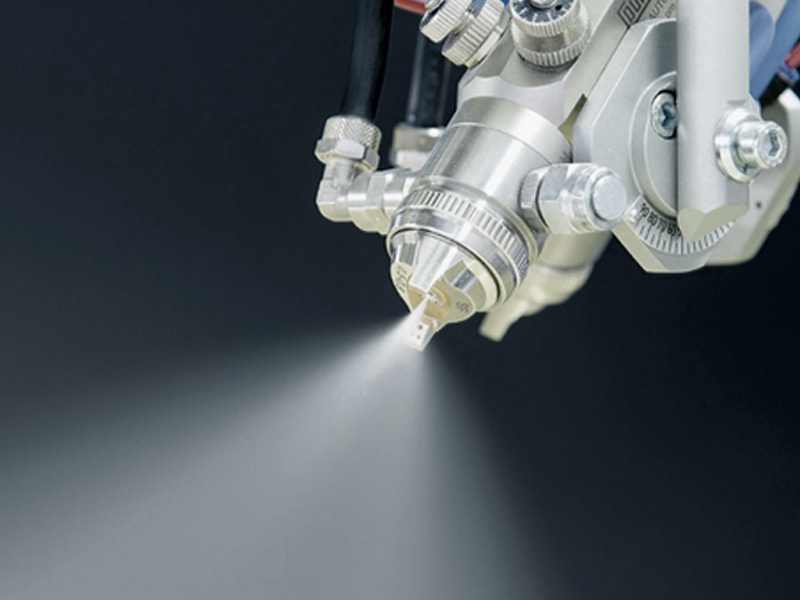
Robotic arms are mechanical devices designed to replicate the functions of a human arm in various industrial applications. In spray painting, these arms are equipped with state-of-the-art spray nozzles and intelligent control systems. They can perform intricate painting tasks with unparalleled accuracy, ensuring a flawless finish on every product.
Types of Robotic Arms
There are several types of robotic arms utilized in spray painting processes, including:
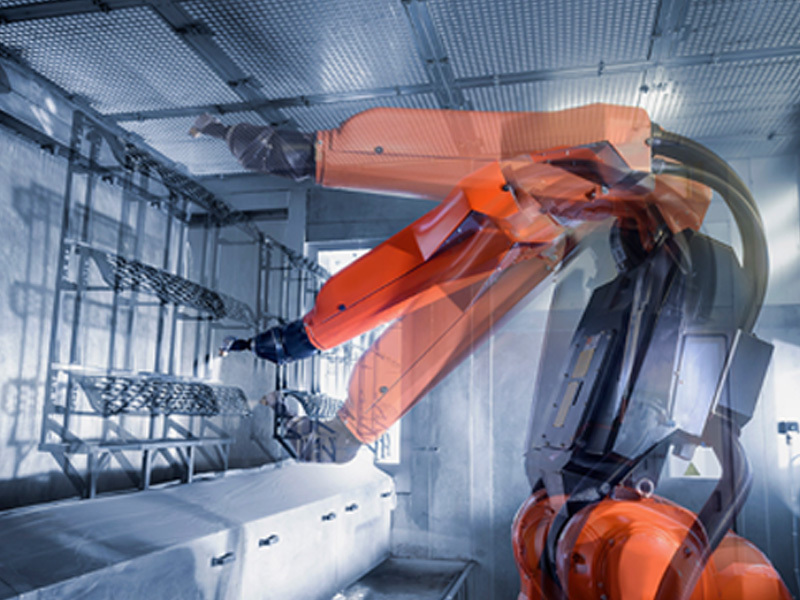
- **Articulated Robots**: Mimicking a human arm with rotating joints, these robots offer high flexibility and are ideal for complex painting tasks.
- **SCARA Robots**: Featuring a rigid structure, SCARA robots excel in high-speed applications and can easily handle repetitive spray painting tasks.
- **Delta Robots**: Known for their speed and precision, delta robots are perfect for applications requiring swift movements, such as packaging or light assembly post-painting.
3. Benefits of High Yield Robotic Arms
The integration of high yield robotic arms into spray painting processes offers numerous advantages, which are crucial for enhancing operational efficiency.
3.1 Precision and Consistency
One of the standout features of robotic arms is their ability to maintain precise control throughout the painting process. This consistency results in a uniform application of paint, eliminating the risk of defects and ensuring high-quality finishes. With the capability to repeat the same action thousands of times with little variance, robotic arms significantly reduce the likelihood of costly rework.
3.2 Efficiency and Speed
High yield robotic arms operate at remarkable speeds, substantially decreasing the time required to complete painting tasks. Unlike human workers, these machines do not require breaks and can work continuously, thus maximizing throughput. Additionally, their efficient paint usage minimizes waste, contributing to a more sustainable manufacturing process.
3.3 Cost-Effectiveness
While the initial investment in robotic technology may be substantial, the long-term savings are undeniable. Reduced labor costs, minimized waste, and increased production capacity lead to significant cost savings over time. Companies often find that the return on investment (ROI) for robotic arms is realized within a few short years.
4. Applications of Robotic Arms in Spray Painting
High yield robotic arms are versatile and can be employed across various sectors, including:
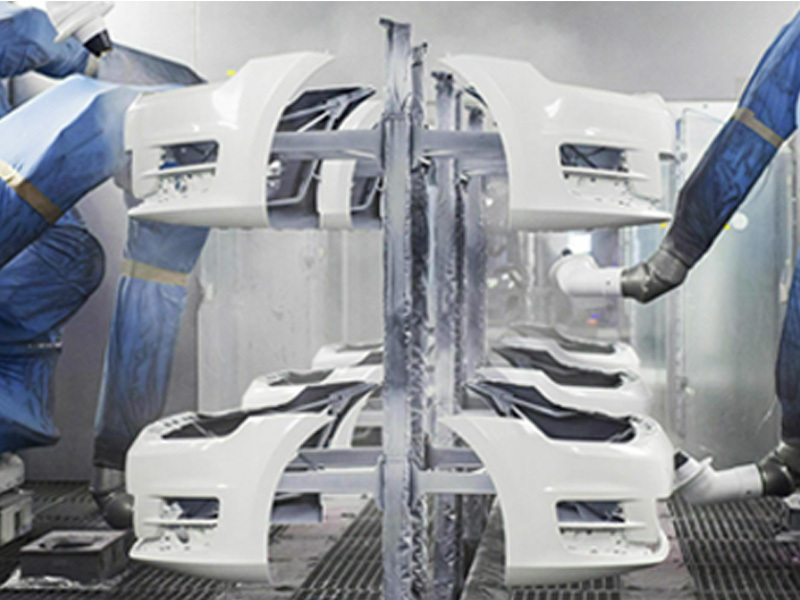
- **Automotive Manufacturing**: Automakers utilize robotic arms for painting vehicle exteriors, ensuring a flawless finish that meets stringent industry regulations.
- **Aerospace Industry**: Robotic painting systems are used to apply coatings on aircraft components, where precision and durability are paramount.
- **Furniture Production**: In the furniture industry, robotic arms enhance production efficiency by providing intricate finishes on wood and metal surfaces.
5. Key Features of High Yield Robotic Arms
Understanding the features that make high yield robotic arms exceptional can guide businesses in their decision-making. Important features include:
- **Adaptive Control Systems**: These allow the robotic arms to adjust their movements in real-time, optimizing the spray pattern based on the surface being painted.
- **Advanced Sensors**: Equipped with sensors, these arms can detect surface imperfections and adjust the spray accordingly, ensuring a perfect finish.
- **User-Friendly Interface**: Many high yield robotic arms come with intuitive programming interfaces, making it easier for operators to set up and modify painting processes.
6. Integration of Robotic Arms into Existing Systems
Implementing robotic arms into an existing spray painting system requires careful planning and consideration. Here are some key points to ensure a seamless integration:
- **Assessment of Current Equipment**: Evaluate the existing setup to identify compatibility with robotic systems. This may involve upgrading certain components to accommodate automation.
- **Training and Support**: Providing thorough training for staff is essential to ensure they can operate and maintain the robotic systems effectively.
- **Phased Implementation**: Consider a phased approach to integration, deploying robotic arms in stages. This allows for adjustments and minimizes disruptions to production.
7. Case Studies of Successful Implementations
Examining real-world examples of robotic arm implementations can provide insights into their transformative impact on the spray painting process.
- **Case Study 1: Automotive Industry**: A leading automotive manufacturer integrated high yield robotic arms into their painting line, resulting in a 30% increase in productivity and a significant reduction in paint waste.
- **Case Study 2: Aerospace Applications**: An aerospace company adopted robotic spray painting for its aircraft components, leading to improved quality control and a 40% decrease in painting time.
8. Frequently Asked Questions (FAQs)
What is a robotic arm?
A robotic arm is a programmable mechanical device designed to perform tasks typically executed by human arms, such as painting, welding, and assembling.
How do robotic arms improve spray painting quality?
Robotic arms maintain precise control over the spray pattern and flow rate, ensuring an even application of paint, which enhances the overall quality of the finish.
Are high yield robotic arms expensive to operate?
While the initial investment can be high, operational costs are often lower in the long term due to increased efficiency, reduced waste, and lower labor costs.
Can robotic arms be integrated into existing painting systems?
Yes, robotic arms can often be integrated into current systems with proper planning, training, and potential upgrades to equipment.
What industries benefit the most from robotic spray painting?
Industries such as automotive, aerospace, electronics, and furniture production greatly benefit from implementing robotic spray painting due to the need for high precision and efficiency.
9. Conclusion
High yield robotic arms represent a significant advancement in the spray painting industry, offering unparalleled precision, efficiency, and cost-effectiveness. By integrating these advanced technologies into existing painting processes, businesses can enhance their productivity, reduce waste, and ensure consistent quality. As industries continue to evolve, adopting robotic arms will be crucial for maintaining a competitive edge in the fast-paced world of manufacturing. Embracing this technology not only paves the way for innovation but also contributes to a more sustainable future in industrial operations.
Related articles

Building 1, Xiaweishui Industrial Zone, Bao'an District, Shenzhen, China


