


Revolutionizing Industrial Painting: The Benefits of Automated Spray Painting Machines
Release time:
2025-08-24
Automated spray painting machines are increasingly becoming a staple in the industrial sector, offering manufacturers a reliable and efficient solution for surface finishing. These machines utilize advanced technology to apply paint, coatings, and finishes on various substrates, ensuring a smooth, even application that enhances the final product's aesthetic and protective qualities. One of the mo

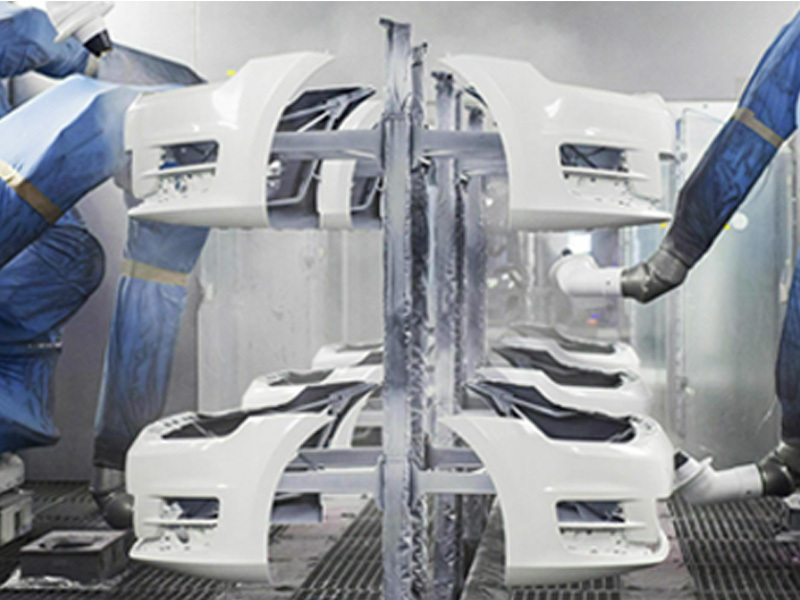
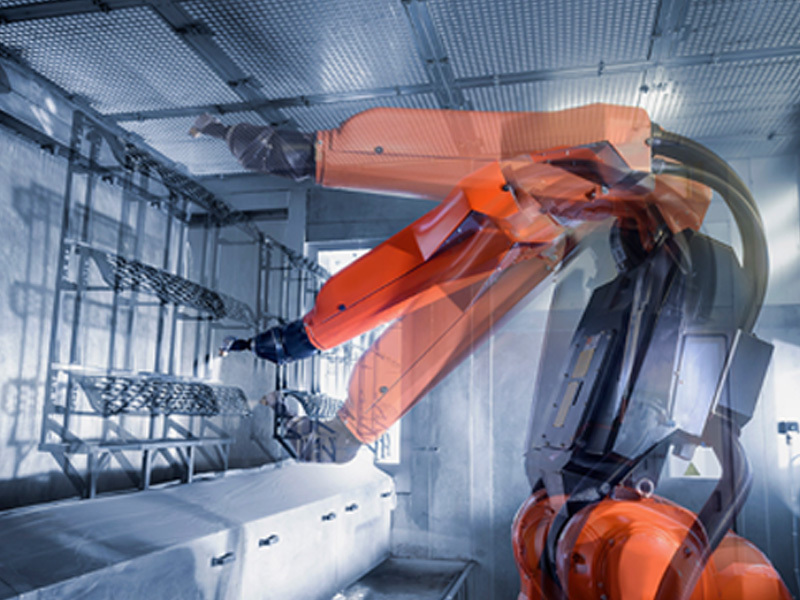
Automated spray painting machines are increasingly becoming a staple in the industrial sector, offering manufacturers a reliable and efficient solution for surface finishing. These machines utilize advanced technology to apply paint, coatings, and finishes on various substrates, ensuring a smooth, even application that enhances the final product's aesthetic and protective qualities.
One of the most significant advantages of automated spray painting machines is their ability to enhance productivity. Unlike manual painting, which can be time-consuming and labor-intensive, automated systems can operate continuously without the need for breaks. This means that businesses can complete larger volumes of work in a shorter amount of time, ultimately leading to higher output and reduced labor costs. Furthermore, automation allows for quicker turnaround times, which is crucial in a competitive market where efficiency directly impacts profitability.
Another key benefit of automated spray painting machines is the consistency they provide. Human error is a common issue in manual painting processes, often resulting in variations in application thickness, color, and finish quality. Automated systems eliminate these inconsistencies by applying coatings in a controlled manner, ensuring that every surface receives the same treatment. This uniformity not only improves the appearance of the final product but also enhances its durability, as even application is vital for effective protection against environmental factors.
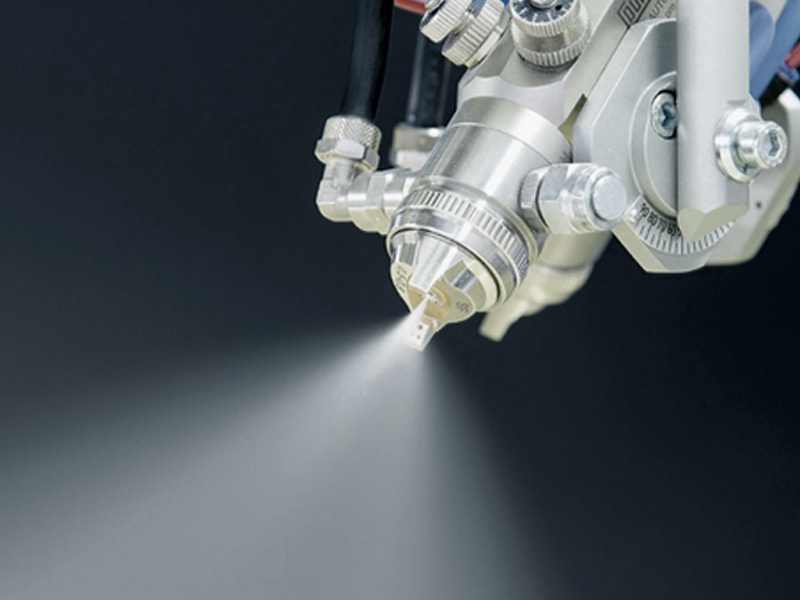
Moreover, automated spray painting machines are designed with advanced features that promote safety and reduce waste. Many models are equipped with technology to minimize overspray, which is a common concern in traditional painting methods. By controlling the paint delivery process, these machines can significantly reduce the amount of paint wasted, thereby lowering material costs and minimizing environmental impact. Additionally, with the capability to operate in enclosed environments, these machines help to create safer working conditions by limiting workers' exposure to hazardous fumes and chemicals.
Furthermore, the versatility of automated spray painting machines makes them suitable for a wide range of applications across various industries. Whether it's automotive, aerospace, furniture, or electronics, these machines can adapt to different materials and coatings, ensuring that businesses can meet diverse customer needs with ease.
In conclusion, automated spray painting machines are revolutionizing the industrial painting process by enhancing efficiency, ensuring consistency, promoting safety, and providing versatility. As industries continue to evolve and demand higher quality finishes, adopting these advanced machines can be a game-changer for manufacturers looking to stay competitive and meet the modern market's challenges. By investing in automated spray painting technology, businesses can streamline their operations and achieve superior results in their finishing processes.
One of the most significant advantages of automated spray painting machines is their ability to enhance productivity. Unlike manual painting, which can be time-consuming and labor-intensive, automated systems can operate continuously without the need for breaks. This means that businesses can complete larger volumes of work in a shorter amount of time, ultimately leading to higher output and reduced labor costs. Furthermore, automation allows for quicker turnaround times, which is crucial in a competitive market where efficiency directly impacts profitability.
Another key benefit of automated spray painting machines is the consistency they provide. Human error is a common issue in manual painting processes, often resulting in variations in application thickness, color, and finish quality. Automated systems eliminate these inconsistencies by applying coatings in a controlled manner, ensuring that every surface receives the same treatment. This uniformity not only improves the appearance of the final product but also enhances its durability, as even application is vital for effective protection against environmental factors.
Moreover, automated spray painting machines are designed with advanced features that promote safety and reduce waste. Many models are equipped with technology to minimize overspray, which is a common concern in traditional painting methods. By controlling the paint delivery process, these machines can significantly reduce the amount of paint wasted, thereby lowering material costs and minimizing environmental impact. Additionally, with the capability to operate in enclosed environments, these machines help to create safer working conditions by limiting workers' exposure to hazardous fumes and chemicals.
Furthermore, the versatility of automated spray painting machines makes them suitable for a wide range of applications across various industries. Whether it's automotive, aerospace, furniture, or electronics, these machines can adapt to different materials and coatings, ensuring that businesses can meet diverse customer needs with ease.
In conclusion, automated spray painting machines are revolutionizing the industrial painting process by enhancing efficiency, ensuring consistency, promoting safety, and providing versatility. As industries continue to evolve and demand higher quality finishes, adopting these advanced machines can be a game-changer for manufacturers looking to stay competitive and meet the modern market's challenges. By investing in automated spray painting technology, businesses can streamline their operations and achieve superior results in their finishing processes.
Related articles

Building 1, Xiaweishui Industrial Zone, Bao'an District, Shenzhen, China


