


Maximizing Your Return on Investment with Automatic Spray Robots: A Comprehensive Guide
Release time:
2025-08-23
Maximizing Your Return on Investment with Automatic Spray Robots Table of Contents Introduction to Automatic Spray Robots Benefits of Using Automatic Spray Robots in Manufacturing How Automatic Spray Robots Work Calculating Your Return on Investment Maintenance Tips for Optimal Performance Case Studies: Successful Implementations The Future of Automatic Spray Robotics

Maximizing Your Return on Investment with Automatic Spray Robots
Table of Contents
- Introduction to Automatic Spray Robots
- Benefits of Using Automatic Spray Robots in Manufacturing
- How Automatic Spray Robots Work
- Calculating Your Return on Investment
- Maintenance Tips for Optimal Performance
- Case Studies: Successful Implementations
- The Future of Automatic Spray Robotics
- Frequently Asked Questions
- Conclusion
Introduction to Automatic Spray Robots
In the realm of industrial manufacturing, the pursuit of efficiency and quality has led to the increasing adoption of automated systems. **Automatic spray robots**, specifically designed for spray painting applications, play a pivotal role in this evolution. These advanced machines not only enhance the quality of finishes but also significantly reduce labor costs and waste. As businesses strive to enhance their processes, understanding how to **maximize return on investment (ROI)** with these systems becomes essential.
Benefits of Using Automatic Spray Robots in Manufacturing
The advantages of integrating **automatic spray robots** into manufacturing processes are numerous and impactful. Here, we will delve into the primary benefits that these machines offer:
1. Enhanced Precision and Consistency
Automatic spray robots provide unparalleled precision in paint application. Unlike manual processes, where variances in technique can lead to inconsistent finishes, robots maintain a steady spray pattern and consistent layer thickness. This ensures high-quality results and minimizes rework.
2. Increased Efficiency and Speed
Incorporating automatic spray robots can drastically reduce cycle times. Robots can work continuously without fatigue, completing tasks much faster than human operators. This leads to increased throughput, allowing manufacturers to meet rising demand with ease.
3. Cost Reduction
While there may be an initial investment in robotic systems, the long-term savings are substantial. Reduction in material waste, lower labor costs, and decreased rework contribute directly to an improved bottom line.
4. Improved Workplace Safety
The use of automatic spray robots minimizes human exposure to hazardous materials and toxic fumes associated with spray painting. This not only protects employees' health but also reduces liability and insurance costs for the business.
5. Flexibility and Adaptability
Modern automatic spray robots can be programmed for various applications and can adapt to different materials and finishes. This versatility allows manufacturers to pivot quickly in response to changing market demands.
How Automatic Spray Robots Work
Understanding the technology behind automatic spray robots can help businesses make informed decisions regarding their implementation. These robots typically consist of several components that work together seamlessly to achieve optimal results.
1. Robotic Arm
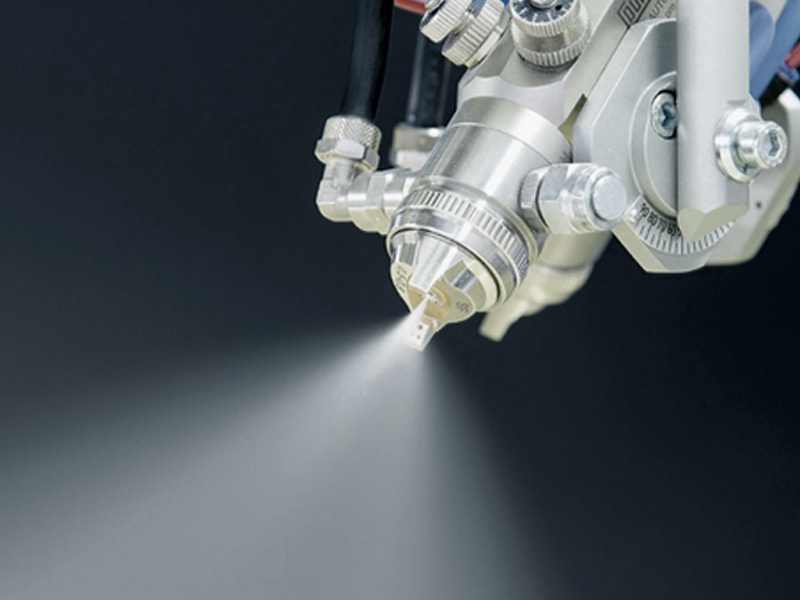
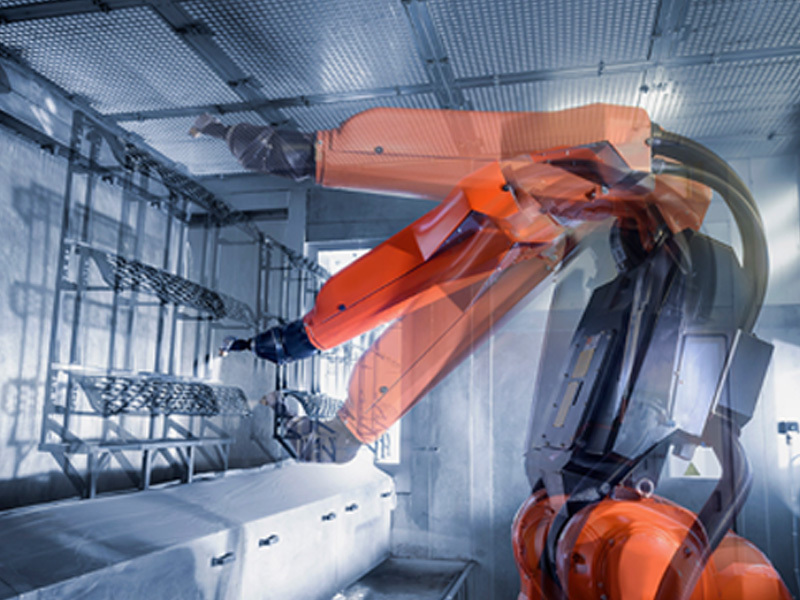
The robotic arm is the heart of the system, equipped with a spray gun that can be programmed to move in precise patterns. This arm's flexibility allows it to reach complex geometries and ensure complete coverage of the surface area.
2. Control Systems
Advanced control systems enable precise programming and operation of the robot. Operators can input specifications for speed, distance, and spray patterns, ensuring that every application meets quality standards.
3. Vision Systems
Many modern robots are equipped with vision systems that allow them to detect and adjust for variations in surface conditions. This ensures that the application remains consistent across different pieces and materials.
4. Paint Delivery Systems
Efficient paint delivery systems minimize waste and ensure that the correct amount of paint is used. These systems can include pressure regulation and flow control technologies to optimize usage.
Calculating Your Return on Investment
Determining the ROI of implementing automatic spray robots involves a comprehensive analysis of both costs and benefits. The following factors should be considered:
1. Initial Investment Costs
The purchase price of the robotic system, along with any installation expenses, constitutes the initial investment. While this can be substantial, it is essential to weigh this against long-term savings.
2. Operating Costs
Evaluate ongoing operating costs, including maintenance, energy consumption, and material usage. Robots are generally more efficient, leading to lower per-unit costs over time.
3. Labor Savings
Quantify the reduction in labor costs associated with using robots. This includes savings from lower wage expenses and reduced overtime needs.
4. Quality Improvements
Consider the financial impact of improved quality. Fewer defects and less rework can lead to significant cost savings and increased customer satisfaction.
5. Increased Production Capacity
Calculate the potential increase in production capacity that can be achieved with robotic automation. This expanded capacity can lead to greater revenue opportunities.
Maintenance Tips for Optimal Performance
To maximize ROI, regular maintenance of automatic spray robots is crucial. Here are some tips to ensure longevity and efficiency:
1. Regular Inspection
Conduct routine inspections of the robotic arm, spray gun, and control systems to identify any potential issues before they escalate.
2. Cleaning
Keep spray equipment clean to prevent clogs and ensure consistent performance. Regularly scheduled cleaning prevents paint buildup and maintains quality.
3. Software Updates
Stay current with software updates from the manufacturer. Updated software can improve performance and introduce new features that enhance efficiency.
4. Training
Invest in training for operators and maintenance staff. Well-trained personnel can troubleshoot problems quickly and maintain smooth operations.
Case Studies: Successful Implementations
To illustrate the effectiveness of automatic spray robots, we can look at several real-world examples:
1. Automotive Industry
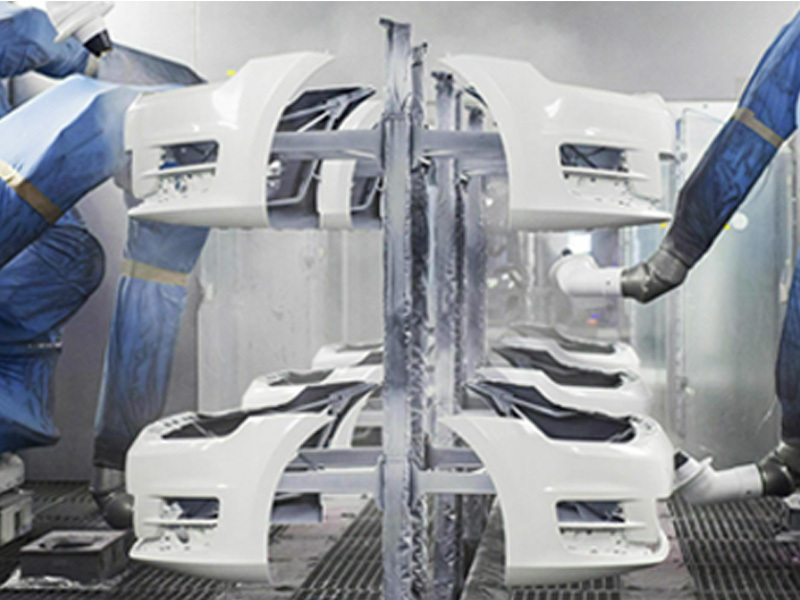
A leading automotive manufacturer implemented automatic spray robots in their paint shop. The result was a 25% reduction in paint usage and a 30% improvement in production speed, leading to higher overall profits.
2. Furniture Production
A furniture company adopted robotic spray technology to streamline their finishing process. They achieved a 40% decrease in labor costs and enhanced product quality, resulting in an expanded market share.
3. Aerospace Sector
An aerospace manufacturer utilized automatic spray robots for intricate part coatings. This not only improved safety by reducing human exposure to toxic materials but also led to a decrease in defects by 35%.
The Future of Automatic Spray Robotics
As technology continues to advance, the future of automatic spray robotics looks promising. Key trends to watch include:
1. Integration of AI
Artificial intelligence will play a larger role in optimizing spray patterns and improving quality control, further enhancing productivity.
2. Collaborative Robotics
The rise of collaborative robots (cobots) will allow for more flexible automation solutions, working alongside human operators for enhanced production capabilities.
3. Sustainable Practices
The demand for sustainable manufacturing practices will drive innovation in spray technology, focusing on reducing material waste and using eco-friendly paints.
Frequently Asked Questions
1. What industries benefit the most from automatic spray robots?
Industries such as automotive, aerospace, furniture, and consumer goods manufacturing see significant benefits from adopting automatic spray robots.
2. How much does an automatic spray robot cost?
The cost of an automatic spray robot can vary widely depending on specifications, ranging from tens of thousands to several hundreds of thousands of dollars.
3. Do automatic spray robots require skilled operators?
While they do require some level of technical expertise for programming and maintenance, many manufacturers offer training to help operators become proficient.
4. Can automatic spray robots handle various materials?
Yes, modern automatic spray robots can be programmed to work with a wide range of materials, including water-based and solvent-based paints.
5. What is the typical ROI timeline for automated spray systems?
The ROI timeline can vary depending on the initial investment and operational savings, but many businesses see a return within two to three years of implementation.
Conclusion
Investing in automatic spray robots can significantly enhance your manufacturing operations, leading to increased efficiency, improved quality, and reduced costs. By understanding the technology, calculating your ROI, and implementing best maintenance practices, you can maximize your investment and stay competitive in a rapidly evolving industry. The adoption of these advanced systems is not just a trend; it is a strategic move towards a more efficient, safe, and sustainable manufacturing landscape. As we look toward the future, embracing automation will be essential for businesses aiming to thrive and succeed in their respective markets.
Related articles

Building 1, Xiaweishui Industrial Zone, Bao'an District, Shenzhen, China


