


Unveiling the Benefits of an Industrial Solder Mask Ink Spray Production Line
Release time:
2025-07-20
Unveiling the Benefits of an Industrial Solder Mask Ink Spray Production Line Table of Contents 1. Introduction to Solder Mask Ink Spray Production Lines 2. Understanding Solder Mask: Definition and Purpose 3. The Importance of an Efficient Production Line 3.1. Key Components of a Solder Mask Ink Spray Production Line 3.2. How the Production Line Improves Efficiency 4. Advantages of Using an Indus

Unveiling the Benefits of an Industrial Solder Mask Ink Spray Production Line
Table of Contents
1. Introduction to Solder Mask Ink Spray Production Lines
2. Understanding Solder Mask: Definition and Purpose
3. The Importance of an Efficient Production Line
3.1. Key Components of a Solder Mask Ink Spray Production Line
3.2. How the Production Line Improves Efficiency
4. Advantages of Using an Industrial Solder Mask Ink Spray Production Line
4.1. Cost Efficiency and Resource Management
4.2. Enhanced Quality Control
4.3. Versatility in Application
5. Environmental Impact and Sustainability
6. Implementing a Solder Mask Ink Spray Production Line
6.1. Key Considerations Before Implementation
6.2. Steps for Successful Integration
7. Future Trends in Solder Mask Production Technology
8. Frequently Asked Questions (FAQs)
9. Conclusion
1. Introduction to Solder Mask Ink Spray Production Lines
The manufacturing industry is constantly evolving, necessitating innovations that enhance productivity and quality. One such advancement is the **industrial solder mask ink spray production line**. This technology offers significant benefits in the production of printed circuit boards (PCBs) and various electronic components. By optimizing the application of solder mask inks, manufacturers can achieve remarkable efficiency, reducing waste and boosting overall operational effectiveness.
2. Understanding Solder Mask: Definition and Purpose
Solder mask, also known as solder resist, is a vital element in PCB manufacturing. It is a protective layer that prevents solder from bridging between conductors, ensuring that the solder adheres only to the designated areas. The application of solder mask inks is critical for enhancing the reliability and performance of electronic devices. In essence, a well-applied solder mask contributes to:
- **Electrical insulation**: Protecting conductive pathways from unintentional solder connections.
- **Surface protection**: Shielding the board from moisture, dust, and other contaminants.
- **Aesthetic appeal**: Providing color and branding opportunities for electronic products.
3. The Importance of an Efficient Production Line
An efficient solder mask ink spray production line is crucial for meeting the demands of modern manufacturing. As electronic devices become more complex, so does the need for precision in solder mask application.
3.1. Key Components of a Solder Mask Ink Spray Production Line
A typical production line includes several components designed to work in harmony:
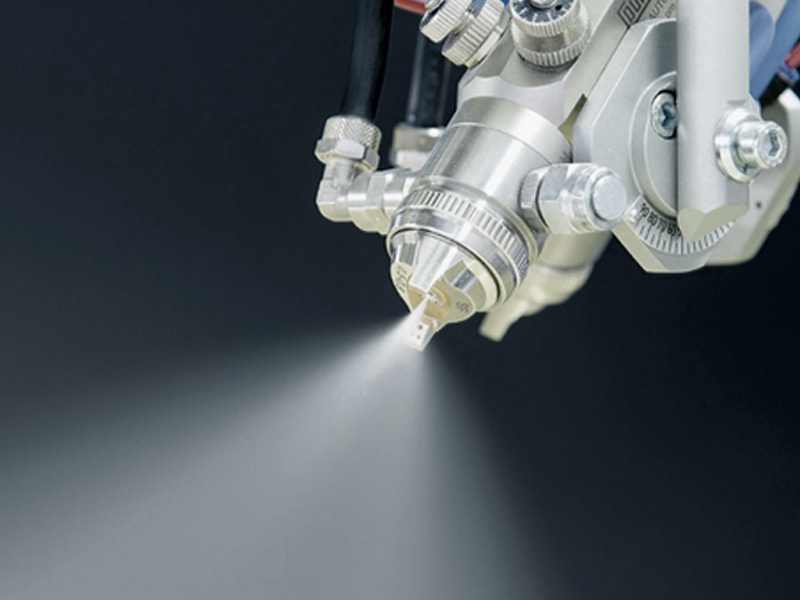
- **Ink spray nozzles**: These deliver the solder mask ink with precision.
- **Curing systems**: Essential for drying the applied solder mask at optimum speeds.
- **Conveyor systems**: Allow for seamless movement of PCBs through various stages of processing.
3.2. How the Production Line Improves Efficiency
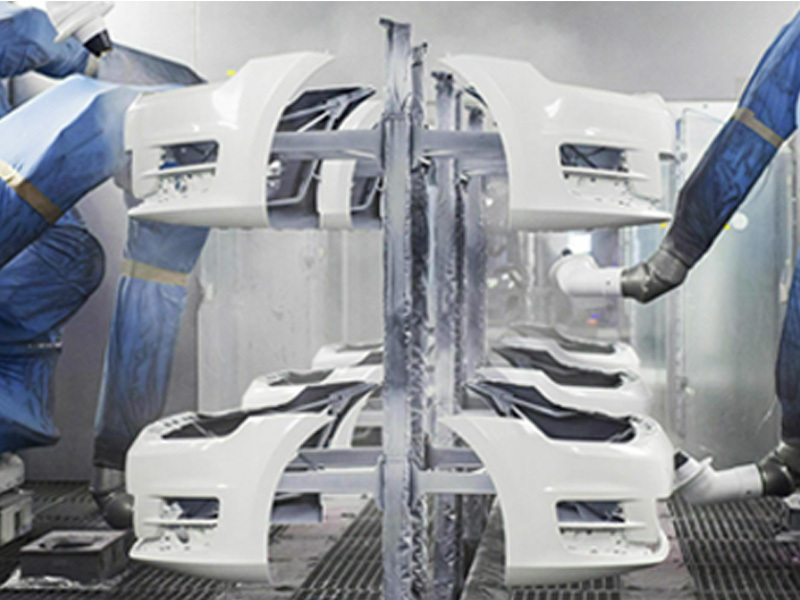
By automating the ink application process, manufacturers can significantly reduce human error and increase productivity. The integration of advanced technologies, such as **robotic arms** and **AI-driven monitoring**, further streamlines the operation, ensuring consistent quality across all produced items.
4. Advantages of Using an Industrial Solder Mask Ink Spray Production Line
The benefits of incorporating this production line into manufacturing processes are manifold.
4.1. Cost Efficiency and Resource Management
An industrial solder mask ink spray production line minimizes material waste, providing manufacturers with a cost-effective solution. By ensuring that solder mask inks are applied precisely, the volume of material required is significantly reduced. This not only lowers production costs but also optimizes inventory management.
4.2. Enhanced Quality Control
With automated systems in place, the consistency of solder mask application improves dramatically. This leads to higher-quality products that meet stringent industry standards. Quality control measures can be integrated into the production line, allowing for real-time monitoring and adjustments as necessary.
4.3. Versatility in Application
The technology allows for a wide range of applications, accommodating various PCB sizes and designs. Whether dealing with high-volume production or specialized, low-volume runs, the solder mask ink spray production line adapts to the manufacturer's needs.
5. Environmental Impact and Sustainability
In an era where sustainability is paramount, the environmental impact of production processes cannot be overlooked. Implementing an industrial solder mask ink spray production line aids in reducing the carbon footprint of manufacturing. By minimizing waste and utilizing eco-friendly inks, companies can contribute to a more sustainable future while also complying with environmental regulations.
6. Implementing a Solder Mask Ink Spray Production Line
Transitioning to an automated solder mask ink spray production line requires careful planning and execution.
6.1. Key Considerations Before Implementation
Before adopting this technology, manufacturers should evaluate several factors, including:
- **Space requirements**: Assessing the available floor space for the new equipment.
- **Budget constraints**: Understanding the initial investment and ongoing operational costs.
- **Training needs**: Ensuring that staff are adequately trained to operate and maintain the new systems.
6.2. Steps for Successful Integration
To ensure a smooth integration of the production line, manufacturers should:
1. **Conduct a feasibility study**: Analyze the potential return on investment.
2. **Select the right equipment**: Choose a production line that meets specific operational needs.
3. **Pilot the process**: Run trial runs to troubleshoot issues before full-scale implementation.
4. **Monitor and evaluate**: Continuously assess the performance of the new system and make necessary adjustments.
7. Future Trends in Solder Mask Production Technology
As technology continues to advance, the future of solder mask production looks promising. Emerging trends include the development of **smart manufacturing** technologies that leverage IoT capabilities for enhanced monitoring and analytics. Innovations in materials, such as eco-friendly inks and faster curing agents, are also on the horizon, providing manufacturers with even more options to improve efficiency and sustainability.
8. Frequently Asked Questions (FAQs)
What is a solder mask ink spray production line?
A solder mask ink spray production line is a specialized manufacturing system that automates the application of solder mask inks to printed circuit boards, ensuring precision and efficiency.
How does a solder mask improve PCB reliability?
A solder mask prevents unintended solder connections, protects against contaminants, and enhances electrical insulation, all of which contribute to the overall reliability of PCBs.
What are the environmental benefits of using an industrial solder mask ink spray production line?
This production line reduces material waste and allows for the use of eco-friendly inks, helping to lower the environmental impact of manufacturing processes.
Is it costly to implement a solder mask ink spray production line?
While the initial investment may be significant, the long-term savings in material costs and efficiencies make it a financially viable option for many manufacturers.
What future technologies could impact solder mask production?
Emerging technologies such as IoT, AI, and advancements in materials are expected to revolutionize solder mask production, enhancing efficiency and sustainability.
9. Conclusion
The **industrial solder mask ink spray production line** stands as a pivotal innovation in modern manufacturing, offering numerous benefits ranging from enhanced efficiency and cost savings to improved quality control and environmental sustainability. As the demand for high-quality electronic components continues to grow, investing in such advanced technologies is crucial for manufacturers aiming to stay competitive in the market. By embracing this technology, companies can not only improve their production processes but also contribute to a more sustainable future in the manufacturing industry.
Related articles


Building 1, Xiaweishui Industrial Zone, Bao'an District, Shenzhen, China


