


Revolutionizing Manufacturing: The Role of Automatic Printed Circuit Board Ink Spray Equipment
Release time:
2025-07-18
Revolutionizing Manufacturing: The Role of Automatic Printed Circuit Board Ink Spray Equipment Table of Contents Introduction to Automatic Ink Spray Equipment Understanding Printed Circuit Board Manufacturing Advantages of Automatic Ink Spray Equipment How Automatic Ink Spray Equipment Works Key Technologies in PCB Ink Spraying Applications of Ink Spray Equipment in Variou

Revolutionizing Manufacturing: The Role of Automatic Printed Circuit Board Ink Spray Equipment
Table of Contents
- Introduction to Automatic Ink Spray Equipment
- Understanding Printed Circuit Board Manufacturing
- Advantages of Automatic Ink Spray Equipment
- How Automatic Ink Spray Equipment Works
- Key Technologies in PCB Ink Spraying
- Applications of Ink Spray Equipment in Various Industries
- Future Trends in PCB Manufacturing
- Frequently Asked Questions
- Conclusion
Introduction to Automatic Ink Spray Equipment
The manufacturing industry continuously evolves, incorporating advanced technologies to enhance efficiency and precision. **Automatic printed circuit board (PCB) ink spray equipment** stands at the forefront of this transformation, enabling manufacturers to produce high-quality PCBs with minimal human intervention. With the increasing demand for electronic devices, the need for precise, reliable, and efficient manufacturing processes has never been greater.
This article explores the critical role of automatic ink spray equipment in revolutionizing PCB manufacturing. We will examine its advantages, how it works, and the latest technologies that make it a game-changer for industries worldwide.
Understanding Printed Circuit Board Manufacturing
Printed Circuit Boards are essential components in modern electronics, providing the necessary infrastructure for electronic circuits. The manufacturing process of PCBs involves several steps, including design, etching, drilling, and coating. Each stage requires precision and attention to detail to ensure the final product meets stringent quality standards.
The application of ink spray technology in PCB manufacturing primarily focuses on the coating and solder mask layers. These layers protect the circuits from environmental damage and ensure optimal connectivity. As the industry demands more intricate designs and higher reliability, the traditional methods of applying coatings are often inadequate.
Advantages of Automatic Ink Spray Equipment
Automatic ink spray equipment offers numerous advantages that significantly enhance the PCB manufacturing process:
Increased Efficiency
The automation of ink spraying reduces the time taken for each manufacturing cycle. Compared to manual application methods, automatic sprayers can cover larger areas quickly and uniformly, leading to faster production rates.
Improved Precision
Precision is paramount in PCB manufacturing. Automatic ink spray equipment ensures that coatings are applied evenly, reducing the risk of defects. With advanced control systems, manufacturers can achieve consistent thickness and coverage across different PCB designs.
Cost-Effectiveness
While the initial investment in automatic ink spray technology may be higher than traditional methods, the long-term savings are substantial. Increased production rates and reduced waste translate into lower operational costs, making it a financially savvy choice for manufacturers.
Enhanced Quality Control
Automatic systems often incorporate quality control features that monitor the spraying process in real-time. This capability allows for immediate adjustments, ensuring that any inconsistencies are addressed promptly, thereby maintaining high standards.
How Automatic Ink Spray Equipment Works
Automatic ink spray equipment utilizes advanced technologies to apply inks and coatings effectively. Understanding its operation helps in appreciating the significance of this innovation in PCB manufacturing.
Components of Automatic Ink Spray Equipment
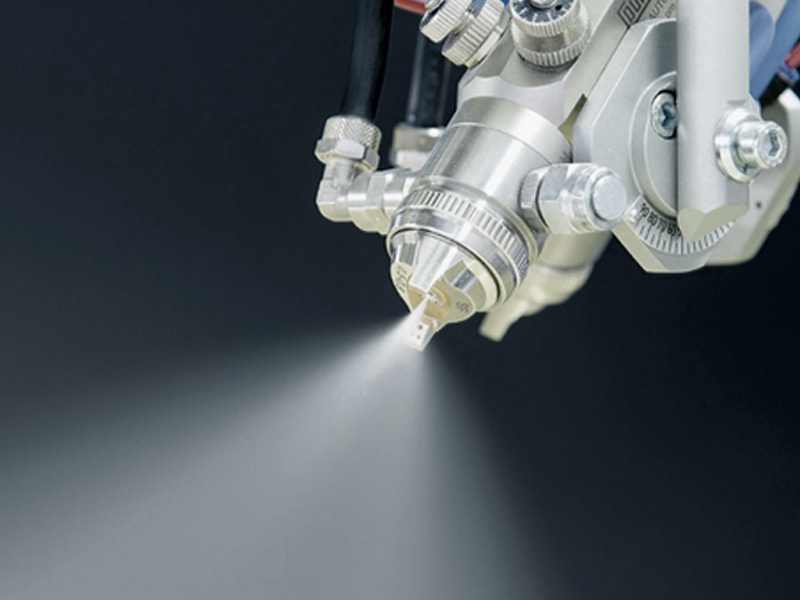
- **Spray Nozzle**: The heart of the equipment, responsible for atomizing the ink into fine particles for even distribution.
- **Control System**: An advanced interface that allows operators to set parameters, including pressure, spray pattern, and coating thickness.
- **Conveyor System**: Designed for continuous operation, transporting PCBs through the spraying process efficiently.
- **Drying Mechanism**: Essential for curing the applied ink quickly, ensuring that production can proceed without delays.
The Spraying Process
1. **Preparation**: PCBs are cleaned and prepped before spraying to ensure optimal adhesion.
2. **Spray Application**: The ink is atomized and sprayed onto the PCB surface using the pre-set parameters.
3. **Curing**: After spraying, the ink undergoes a curing process, either through UV light or heat, to ensure durability and adherence.
4. **Quality Check**: Final inspection is performed to ensure that the coatings meet the required specifications.
Key Technologies in PCB Ink Spraying
Several technologies underpin the effectiveness of automatic ink spray equipment. Understanding these technologies helps manufacturers choose the right equipment for their needs.
Electrostatic Spraying
This technology uses electrostatic charges to ensure that the ink particles are uniformly attracted to the PCB surface, enhancing coverage and reducing waste.
Ultrasonic Spraying
Utilizing ultrasonic waves, this method creates a fine mist of ink, allowing for precise application even on complex surfaces.
Robotic Automation
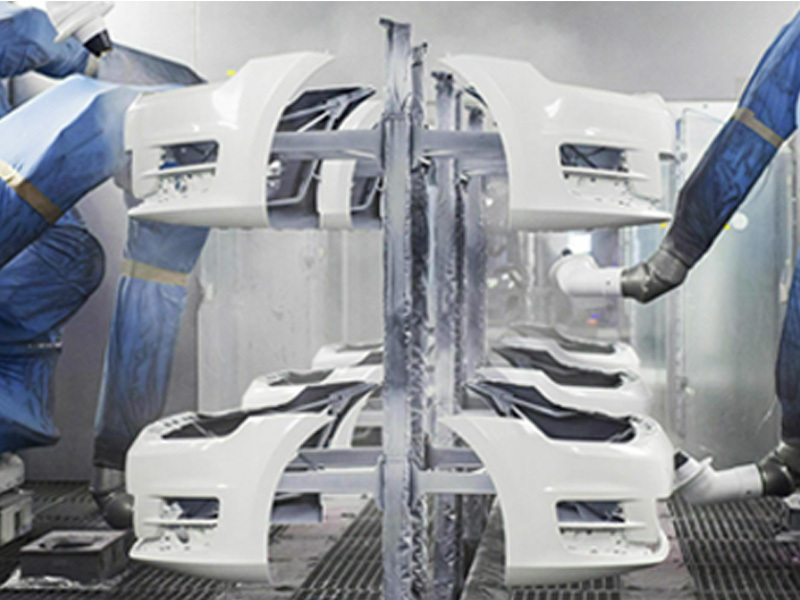
Integrating robotics into the spraying process allows for increased flexibility and adaptability, enabling the equipment to handle various PCB designs and sizes seamlessly.
Applications of Ink Spray Equipment in Various Industries
The use of automatic printed circuit board ink spray equipment transcends the manufacturing of generic PCBs. Its applications span multiple industries, enhancing product quality and production efficiency.
Consumer Electronics
From smartphones to gaming consoles, the consumer electronics industry relies heavily on PCBs for functionality. Automatic ink spray equipment ensures that these essential components are produced with the utmost precision and quality.
Automotive Industry
With the rise of electric vehicles and advanced driver-assistance systems, the demand for reliable PCBs in the automotive sector is soaring. Automatic ink spray technology contributes to the production of crucial electronic control units.
Medical Devices
In the medical field, precision and reliability are non-negotiable. Automatic ink spray equipment helps in manufacturing PCBs for diagnostic devices, ensuring top-notch quality and consistency.
Future Trends in PCB Manufacturing
The future of PCB manufacturing is bright, with trends pointing towards even greater automation and integration of smart technologies.
Industry 4.0 Integration
As factories become smarter, the integration of IoT (Internet of Things) within automatic ink spray equipment will allow for better data collection, monitoring, and optimization of the spraying process.
Sustainability Practices
With increasing environmental concerns, manufacturers are adopting eco-friendly inks and processes. Innovations in automatic ink spraying will continue to focus on reducing waste and energy consumption.
Frequently Asked Questions
1. What types of inks are used in automatic PCB ink spray equipment?
Automatic PCB ink spray equipment commonly uses UV-curable inks, water-based inks, and solvent-based inks, depending on the application and required properties.
2. How does automatic ink spray technology improve production speed?
By automating the spraying process, manufacturers can achieve faster application rates compared to manual methods, significantly reducing production time.
3. What is the difference between manual and automatic ink spraying?
Manual spraying relies on human skill and can be inconsistent, while automatic spraying ensures uniform application with precision control.
4. Can automatic ink spray equipment handle complex PCB designs?
Yes, advanced automatic ink spray systems are designed to adapt to various shapes and sizes, making them suitable for complex PCB designs.
5. How often should automatic ink spray equipment be maintained?
Regular maintenance is essential for optimal performance. It's recommended to follow the manufacturer's guidelines, typically involving scheduled checks and cleaning.
Conclusion
The emergence of automatic printed circuit board ink spray equipment is revolutionizing the manufacturing landscape. By enhancing efficiency, precision, and quality, this technology meets the growing demands of various industries. As we move toward a more automated and sustainable future, the role of automatic ink spray equipment will become increasingly vital in producing reliable, high-quality PCBs.
Manufacturers looking to stay ahead in this competitive market must consider the integration of automatic ink spray technology into their production processes. Embracing these advancements not only improves operational efficiency but also positions businesses to thrive in the rapidly evolving landscape of electronic manufacturing.
Related articles


Building 1, Xiaweishui Industrial Zone, Bao'an District, Shenzhen, China


