


Revolutionizing Manufacturing with Environmental Circuit Board Spraying Lines
Release time:
2025-05-07
Revolutionizing Manufacturing with Environmental Circuit Board Spraying Lines In today's fast-paced manufacturing environment, the need for efficiency, sustainability, and innovation has never been more critical. The introduction of **environmental circuit board spraying lines** represents a significant leap forward in manufacturing technology. This innovative approach not only enhances producti

Revolutionizing Manufacturing with Environmental Circuit Board Spraying Lines
In today's fast-paced manufacturing environment, the need for efficiency, sustainability, and innovation has never been more critical. The introduction of **environmental circuit board spraying lines** represents a significant leap forward in manufacturing technology. This innovative approach not only enhances production capabilities but also aligns with the growing demand for environmentally friendly practices. In this article, we will explore the key components, benefits, and future prospects of environmental circuit board spraying lines and how they revolutionize the manufacturing sector.
Table of Contents
- Understanding Environmental Circuit Board Spraying Lines
- Benefits of Environmental Spraying in Manufacturing
- Key Technology Behind Spraying Lines
- Environmental Impact and Sustainability
- Case Studies of Successful Implementation
- Future Trends in Manufacturing Spraying Lines
- Choosing the Right Spraying Line for Your Business
- FAQs About Environmental Circuit Board Spraying Lines
Understanding Environmental Circuit Board Spraying Lines
Environmental circuit board spraying lines are specialized systems designed to apply coatings to printed circuit boards (PCBs) using eco-friendly materials. These lines integrate various technologies to optimize the spraying process, ensuring uniform coating, minimal waste, and enhanced precision. The core of this technology lies in its ability to reduce harmful emissions and promote sustainability in manufacturing practices.
The Basics of Spraying Technology
The spraying process typically involves the following steps: preparation of the circuit board, coating application using advanced spraying equipment, and curing the applied material. The equipment is designed to maintain consistent pressure and flow rates, allowing for optimal coating thickness and adherence. By employing environmentally friendly materials, manufacturers can ensure that their operations comply with global environmental standards.
Types of Spraying Techniques
Several techniques are utilized in circuit board spraying, including:
- Airless Spraying: This method uses high pressure to atomize the coating material, providing a smooth finish and reduced overspray.
- Electrostatic Spraying: In this technique, charged particles are attracted to the grounded surface of the PCB, ensuring an even application and reducing waste.
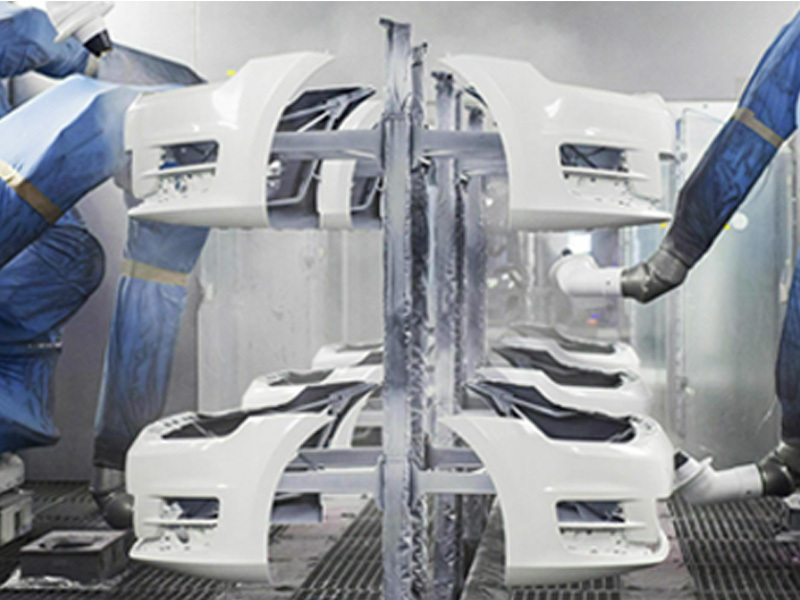
- Robotic Spraying: Automated systems offer precision and efficiency, significantly improving production rates while minimizing human error.
Benefits of Environmental Spraying in Manufacturing
The adoption of environmental circuit board spraying lines brings several advantages to manufacturers:
Enhanced Efficiency
These advanced systems streamline the spraying process, allowing for quicker turnaround times and increased productivity. Automation and precision reduce the need for manual labor, freeing up resources for other critical tasks.
Cost-Effectiveness
By minimizing waste and improving material usage, manufacturers can achieve significant cost savings. The use of eco-friendly materials often leads to lower disposal costs while enhancing the overall quality of the product.
Improved Product Quality
Environmental circuit board spraying lines provide consistent coating quality, which is crucial for the performance and longevity of electronic products. Improved adhesion and reduced defects translate into higher customer satisfaction and fewer returns.
Regulatory Compliance
With increasing environmental regulations, manufacturers can stay ahead of compliance requirements by implementing eco-friendly practices. This proactive approach can enhance brand reputation and attract environmentally conscious consumers.
Key Technology Behind Spraying Lines
Understanding the technology behind environmental circuit board spraying lines is essential for appreciating their impact on manufacturing. Key components include:
Advanced Nozzle Designs
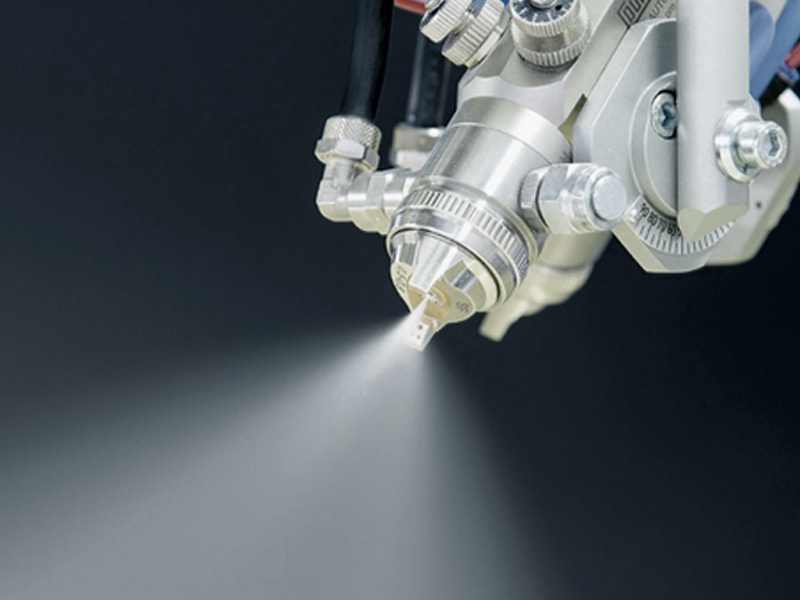
Innovative nozzle designs enable precise control over spray patterns and droplet sizes, ensuring optimal coverage and reducing overspray. High-quality nozzles also contribute to maintaining the integrity of the coating material.
Integrated Automation Systems
Automation plays a pivotal role in enhancing the efficiency of spraying lines. The integration of sensors, controllers, and software allows for real-time monitoring and adjustments, ensuring consistent performance and reducing downtime.
Eco-Friendly Coating Materials
Utilizing low-VOC (volatile organic compounds) and water-based coatings is a hallmark of environmental circuit board spraying lines. These materials not only mitigate environmental impact but also meet industry standards for safety and performance.
Environmental Impact and Sustainability
The environmental benefits of adopting circuit board spraying lines are significant. By reducing harmful emissions and waste, manufacturers contribute to a more sustainable future. Key aspects of this impact include:
Reduction of Hazardous Waste
One of the primary benefits of environmental spraying lines is the reduction of hazardous waste generated during production. Eco-friendly materials decompose more easily and do not pose a threat to the environment when disposed of.
Lower Carbon Footprint
By optimizing the spraying process and using energy-efficient technologies, manufacturers can significantly lower their carbon footprint. This reduction not only benefits the planet but can also lead to lower operational costs.
Promoting Circular Economy Practices
Implementing environmentally friendly production methods, such as recycling and reusing materials, supports the transition towards a circular economy. This approach ensures that resources are used more sustainably, minimizing waste and enhancing resource efficiency.
Case Studies of Successful Implementation
To illustrate the effectiveness of environmental circuit board spraying lines, let’s examine a few real-world examples:
Case Study 1: Tech Innovations Inc.
Tech Innovations Inc. implemented an environmental spraying line that decreased production waste by 30%. By adopting advanced automation and eco-friendly materials, the company improved its overall efficiency and reduced operating costs.
Case Study 2: Green Electronics Corp.
Green Electronics Corp. transitioned to an entirely eco-friendly spraying process, resulting in a 50% reduction in VOC emissions. The company not only improved compliance with environmental regulations but also enhanced its brand image among consumers.
Future Trends in Manufacturing Spraying Lines
The future of environmental circuit board spraying lines promises exciting developments. As technology advances, we can expect the following trends:
Increased Use of AI and Machine Learning
Artificial intelligence (AI) and machine learning will play a significant role in optimizing spraying processes. These technologies can analyze vast amounts of data to improve efficiency, predict maintenance needs, and enhance overall performance.
Expansion of Eco-Friendly Material Options
The ongoing research and development of eco-friendly materials will further expand the options available for manufacturers. Innovations in biopolymers and other sustainable materials will drive improvements in product quality and environmental impact.
Integration with IoT Technologies
The Internet of Things (IoT) will enhance the connectivity of spraying lines, allowing for real-time data sharing and remote monitoring. This integration will streamline operations and improve decision-making processes in manufacturing environments.
Choosing the Right Spraying Line for Your Business
When selecting an environmental circuit board spraying line, several factors must be considered:
Assessing Production Needs
Understanding your production requirements is crucial. Consider factors such as volume, coating types, and desired turnaround times when evaluating potential systems.
Evaluating Technology Options
Different technologies offer unique advantages. Research the various spraying methods and automation options available to determine which will best meet your needs.
Budget Considerations
Budgeting for a new spraying line requires careful planning. Weigh the initial investment against potential long-term savings and efficiencies gained through adopting eco-friendly practices.
FAQs About Environmental Circuit Board Spraying Lines
What are environmental circuit board spraying lines?
Environmental circuit board spraying lines are specialized systems designed for applying eco-friendly coatings to printed circuit boards efficiently and sustainably.
What are the benefits of using eco-friendly spraying techniques?
Benefits include enhanced efficiency, cost-effectiveness, improved product quality, and compliance with environmental regulations.
How do I choose the right spraying line for my business?
Consider your production needs, evaluate technology options, and assess your budget to select the most suitable spraying line.
What is the impact of environmental spraying lines on sustainability?
These systems reduce hazardous waste, lower carbon footprints, and promote circular economy practices, contributing to a more sustainable manufacturing environment.
What technologies are commonly integrated into environmental spraying lines?
Common technologies include advanced nozzle designs, automation systems, and eco-friendly coating materials.
Conclusion
Environmental circuit board spraying lines are at the forefront of revolutionizing manufacturing practices. By integrating advanced technology and eco-friendly materials, these systems offer numerous benefits, including improved efficiency, cost savings, and sustainability. As we look toward the future, the continued evolution of these technologies promises to shape the manufacturing landscape, making it more responsive to global environmental challenges. Embracing these innovations is not just a trend; it is a necessary step towards a sustainable and successful manufacturing future.
Related articles


Building 1, Xiaweishui Industrial Zone, Bao'an District, Shenzhen, China


