


Understanding Professional Paint Spraying Equipment: A Comprehensive Guide
Release time:
2025-05-04
When it comes to industrial painting applications, the choice of equipment can significantly impact the quality and efficiency of the work. Professional paint spraying equipment has become a staple in industries such as automotive, construction, and manufacturing due to its precision and effectiveness in applying coatings. Understanding the different types of paint spraying equipment and their app

When it comes to industrial painting applications, the choice of equipment can significantly impact the quality and efficiency of the work. Professional paint spraying equipment has become a staple in industries such as automotive, construction, and manufacturing due to its precision and effectiveness in applying coatings. Understanding the different types of paint spraying equipment and their applications can greatly enhance your project outcomes.
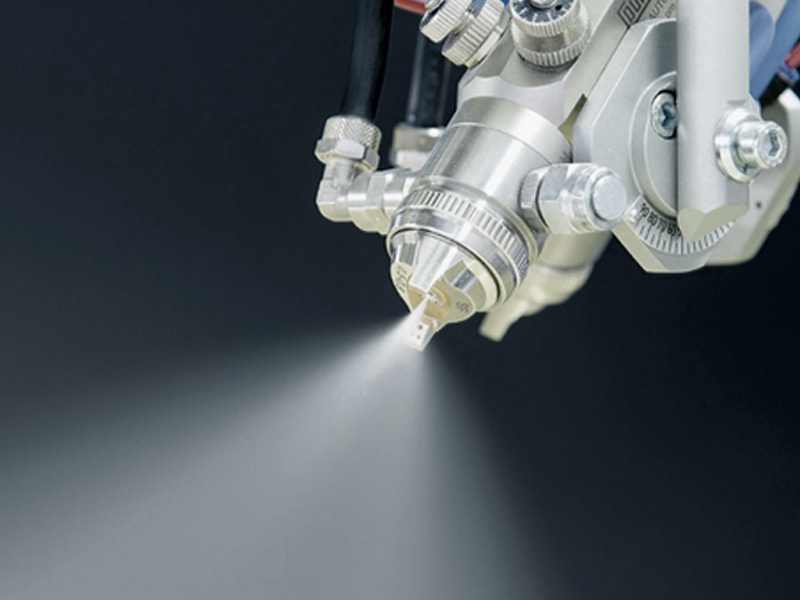
Professional paint spraying equipment typically includes airless sprayers, conventional spray guns, and electrostatic sprayers. Each type has its unique benefits and is suitable for specific applications. For instance, airless sprayers are known for their ability to handle thicker paints and are ideal for large surface areas. They operate by pumping paint at high pressure through a spray tip, allowing for a smooth and even application. This makes them a top choice for exterior walls, fences, and large machinery.
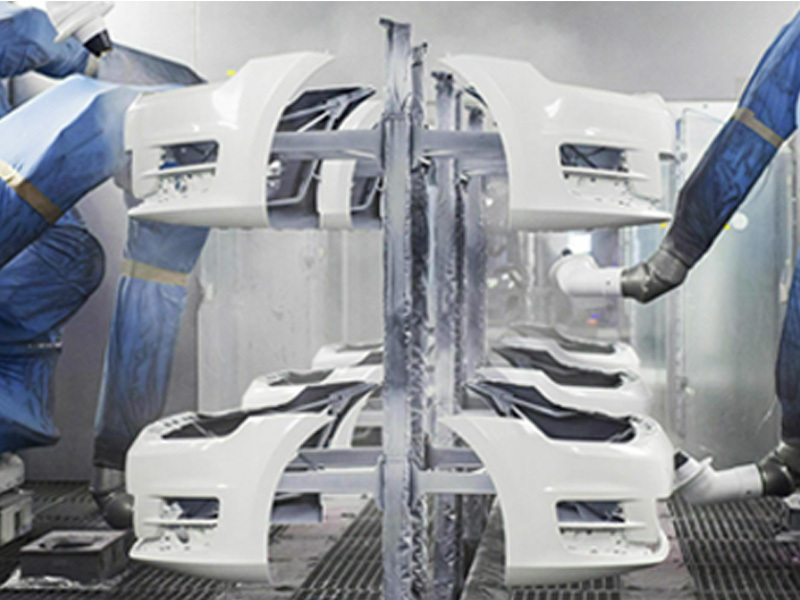
In contrast, conventional spray guns, often powered by compressed air, provide a fine finish and are best suited for detailed work, such as automotive painting or intricate designs. These sprayers allow for more control over the paint flow and can be adjusted to achieve the desired finish. On the other hand, electrostatic sprayers are designed for applications where a uniform coating is essential. They work by charging the paint particles as they exit the spray gun, causing them to be attracted to the surface being painted. This technology minimizes overspray and improves material usage, making it an efficient option for various industrial applications.
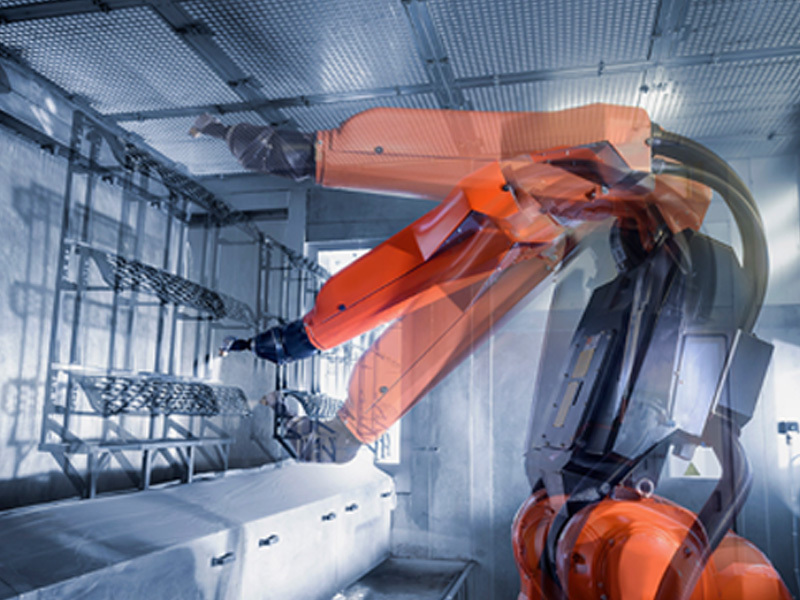
Using professional paint spraying equipment comes with several advantages. One of the most significant benefits is the speed of application. Spraying can cover large areas much faster than traditional brush or roller methods, saving time and labor costs. Additionally, high-quality spray equipment can produce an even coat, reducing the need for touch-ups and ensuring a professional finish. Professional sprayers also minimize waste, as they allow for precise control over the amount of paint used, contributing to cost efficiency in large projects.
Safety is another important consideration when using professional paint spraying equipment. Proper ventilation, protective gear, and adherence to safety protocols are essential to prevent inhalation of fumes and ensure the safety of the operators. Regular maintenance of the equipment is also crucial to ensure it operates optimally and safely.
In conclusion, professional paint spraying equipment plays a vital role in achieving high-quality finishes in various industrial applications. Understanding the different types of sprayers, their advantages, and best practices for use can empower professionals to select the right equipment for their specific needs, ultimately enhancing productivity and output quality in their projects.
Professional paint spraying equipment typically includes airless sprayers, conventional spray guns, and electrostatic sprayers. Each type has its unique benefits and is suitable for specific applications. For instance, airless sprayers are known for their ability to handle thicker paints and are ideal for large surface areas. They operate by pumping paint at high pressure through a spray tip, allowing for a smooth and even application. This makes them a top choice for exterior walls, fences, and large machinery.
In contrast, conventional spray guns, often powered by compressed air, provide a fine finish and are best suited for detailed work, such as automotive painting or intricate designs. These sprayers allow for more control over the paint flow and can be adjusted to achieve the desired finish. On the other hand, electrostatic sprayers are designed for applications where a uniform coating is essential. They work by charging the paint particles as they exit the spray gun, causing them to be attracted to the surface being painted. This technology minimizes overspray and improves material usage, making it an efficient option for various industrial applications.
Using professional paint spraying equipment comes with several advantages. One of the most significant benefits is the speed of application. Spraying can cover large areas much faster than traditional brush or roller methods, saving time and labor costs. Additionally, high-quality spray equipment can produce an even coat, reducing the need for touch-ups and ensuring a professional finish. Professional sprayers also minimize waste, as they allow for precise control over the amount of paint used, contributing to cost efficiency in large projects.
Safety is another important consideration when using professional paint spraying equipment. Proper ventilation, protective gear, and adherence to safety protocols are essential to prevent inhalation of fumes and ensure the safety of the operators. Regular maintenance of the equipment is also crucial to ensure it operates optimally and safely.
In conclusion, professional paint spraying equipment plays a vital role in achieving high-quality finishes in various industrial applications. Understanding the different types of sprayers, their advantages, and best practices for use can empower professionals to select the right equipment for their specific needs, ultimately enhancing productivity and output quality in their projects.
Related articles

Building 1, Xiaweishui Industrial Zone, Bao'an District, Shenzhen, China


