


Revolutionizing Manufacturing: The Rise of China Spray Robots
Release time:
2025-02-09
Revolutionizing Manufacturing: The Rise of China Spray Robots Table of Contents 1. Introduction to Spray Robots in Manufacturing 2. A Brief History of Spray Robotics in China 3. The Technology Behind Advanced Spray Robots 4. Applications of Spray Robots in Various Industries 5. Advantages of Using Spray Robots in Manufacturing 6. Challenges and Solutions in Implementing Spray Robotics

Revolutionizing Manufacturing: The Rise of China Spray Robots
Table of Contents
- 1. Introduction to Spray Robots in Manufacturing
- 2. A Brief History of Spray Robotics in China
- 3. The Technology Behind Advanced Spray Robots
- 4. Applications of Spray Robots in Various Industries
- 5. Advantages of Using Spray Robots in Manufacturing
- 6. Challenges and Solutions in Implementing Spray Robotics
- 7. Future Trends in Spray Robotics and Manufacturing
- 8. Conclusion: The Future of Manufacturing with Spray Robots
- 9. Frequently Asked Questions (FAQs)
1. Introduction to Spray Robots in Manufacturing
In recent years, **spray robots** have emerged as a pivotal force in the manufacturing sector, particularly in China. These sophisticated machines are engineered to facilitate various applications, notably in painting, coating, and surface treatment processes. With the rapid advancements in **robotics technology**, we are witnessing a significant transformation in how products are manufactured, leading to enhanced efficiency, reduced waste, and improved quality.
2. A Brief History of Spray Robotics in China
The roots of spray robotics in China can be traced back to the early 2000s when manufacturers started exploring automation to enhance productivity. The demand for precise and uniform application of coatings led to the adoption of robotic systems. Over the years, China has invested heavily in research and development, resulting in a surge of homegrown companies specializing in spray robotics. This evolution has positioned China as a global leader in the production and utilization of these technologies.
3. The Technology Behind Advanced Spray Robots
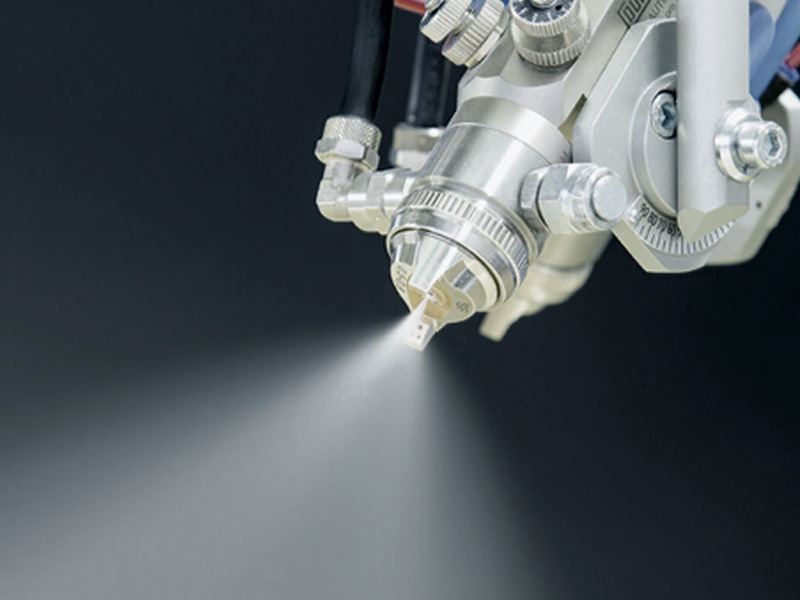
Spray robots utilize cutting-edge technology that integrates **artificial intelligence** (AI), **machine learning**, and **advanced control systems**. These systems are designed to optimize the application process by adjusting parameters such as spray angle, speed, and pressure in real time. The use of **3D imaging** and **sensors** allows for precise tracking and adjustment according to the nuances of the surface being treated, ensuring consistent quality in every application.
3.1 Types of Spray Robots
There are several types of spray robots, each tailored for specific applications:
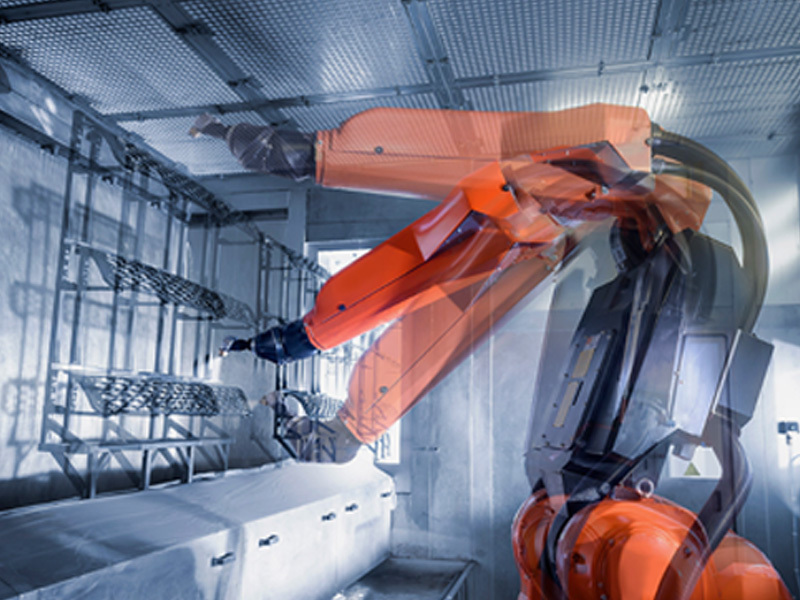
- **Articulated robots**: Known for their flexibility, these robots can reach various angles and positions, making them ideal for complex coating tasks.
- **SCARA robots**: Equipped with a fixed base and a swiveling arm, SCARA robots are perfect for high-speed applications requiring linear movement.
- **Delta robots**: These are often used in high-speed applications, such as packaging and assembly, due to their rapid movements and precision.
4. Applications of Spray Robots in Various Industries
Spray robots are employed across various sectors, each benefiting from their unique capabilities. Industries utilizing spray robots include:
4.1 Automotive Industry
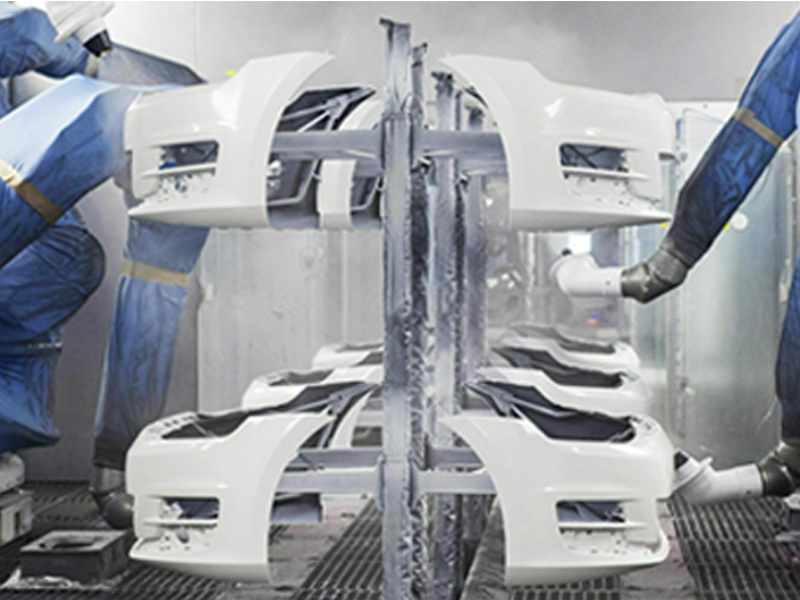
In the automotive sector, spray robots are crucial for achieving high-quality paint finishes. They ensure even coverage while minimizing overspray, thus reducing material costs and environmental impact.
4.2 Aerospace Industry
Aerospace manufacturers rely on spray robots for applying coatings on aircraft components. The precision of these robots ensures compliance with stringent safety and quality standards.
4.3 Electronics Manufacturing
In electronics, spray robots are used for applying protective coatings on circuit boards and components, safeguarding them from environmental factors.
4.4 Furniture and Woodworking
The furniture industry utilizes spray robots for uniform stain and finish applications, enhancing aesthetic appeal while reducing labor costs.
5. Advantages of Using Spray Robots in Manufacturing
Implementing spray robots in manufacturing processes brings several advantages, enhancing overall productivity and quality.
5.1 Increased Efficiency
Spray robots operate continuously without fatigue, significantly increasing throughput compared to manual labor.
5.2 Precision and Consistency
These machines deliver consistent results, reducing the likelihood of human error and ensuring that every product meets quality standards.
5.3 Cost-Effectiveness
By minimizing waste and optimizing material usage, spray robots contribute to lower production costs, ultimately enhancing profitability.
5.4 Enhanced Safety
Spray robots reduce the need for human operators in potentially hazardous environments, thereby improving workplace safety.
6. Challenges and Solutions in Implementing Spray Robotics
While the benefits of spray robots are evident, there are challenges associated with their implementation.
6.1 Initial Investment Costs
The upfront costs of purchasing and integrating spray robots can be substantial. However, the long-term savings in labor and materials often justify the investment.
6.2 Workforce Training
To fully leverage the capabilities of spray robots, manufacturers must invest in training their workforce. Providing comprehensive training programs can bridge the skills gap and enhance productivity.
6.3 Maintenance and Technical Support
Regular maintenance is essential to ensure optimal performance. Manufacturers should establish partnerships with reliable service providers for ongoing support.
7. Future Trends in Spray Robotics and Manufacturing
As technology continues to advance, the future of spray robotics looks promising. Some trends to watch include:
7.1 Integration with IoT
The integration of **Internet of Things** (IoT) technology will enable real-time monitoring and data analysis, leading to smarter manufacturing processes.
7.2 Increased Customization
Future spray robots will likely incorporate AI-driven algorithms that allow for greater customization in the application process to meet client specifications.
7.3 Sustainable Practices
With a growing emphasis on sustainability, manufacturers will increasingly turn to spray robots that optimize material usage and reduce environmental impact.
8. Conclusion: The Future of Manufacturing with Spray Robots
The rise of spray robots in China marks a significant leap in the manufacturing industry, driving efficiency and precision across various sectors. As technology continues to evolve, these machines will become even more integral to production processes. By embracing the innovations brought forth by spray robotics, manufacturers can not only enhance their operations but also position themselves for success in an increasingly competitive global market.
9. Frequently Asked Questions (FAQs)
FAQ 1: What industries benefit the most from spray robots?
Manufacturing sectors like automotive, aerospace, electronics, and furniture greatly benefit from spray robots due to their precision and efficiency.
FAQ 2: How do spray robots improve safety in the workplace?
By automating hazardous tasks, spray robots minimize human exposure to harmful substances, thereby improving workplace safety.
FAQ 3: What are the initial costs associated with spray robots?
Initial costs can vary widely based on the type and capabilities of the robot, but manufacturers generally see a return on investment through reduced labor and material costs.
FAQ 4: Can spray robots be customized for specific applications?
Yes, many spray robots come with programmable features that allow customization to suit specific application needs.
FAQ 5: What future advancements can we expect in spray robotics?
Future advancements may include greater integration with IoT, enhanced machine learning capabilities, and more sustainable operational practices.
By understanding the impact and future of spray robotics, manufacturers can better prepare for an automated future that emphasizes efficiency, safety, and sustainability.
Related articles

Building 1, Xiaweishui Industrial Zone, Bao'an District, Shenzhen, China


