


Transform Your Production Line with an Automatic Spraying Solution
Release time:
2025-01-04
Transform Your Production Line with an Automatic Spraying Solution Understanding Automatic Spraying Solutions in Industrial Equipment In the world of industrial equipment, automatic spraying solutions have emerged as a game-changer for manufacturers seeking efficiency and precision. These advanced systems are designed to automate the spraying process, leading to significant improvements in product

Transform Your Production Line with an Automatic Spraying Solution
Understanding Automatic Spraying Solutions in Industrial Equipment
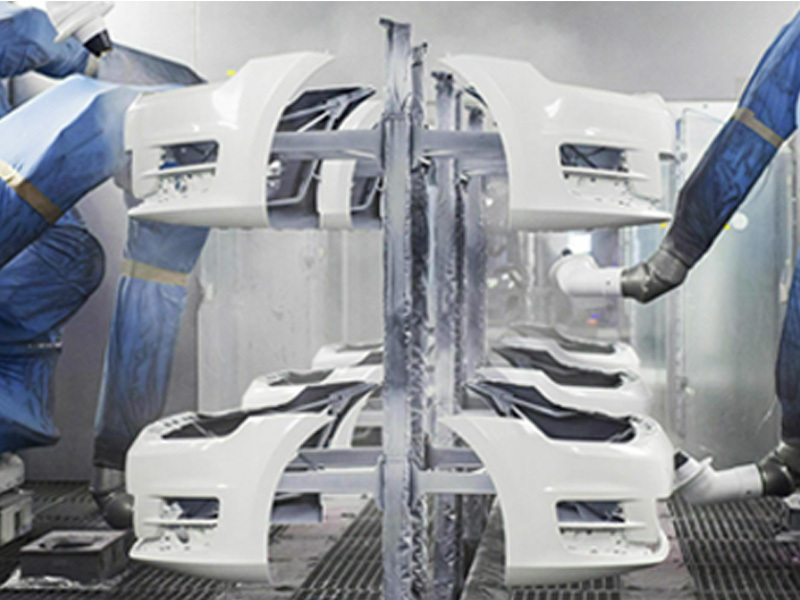
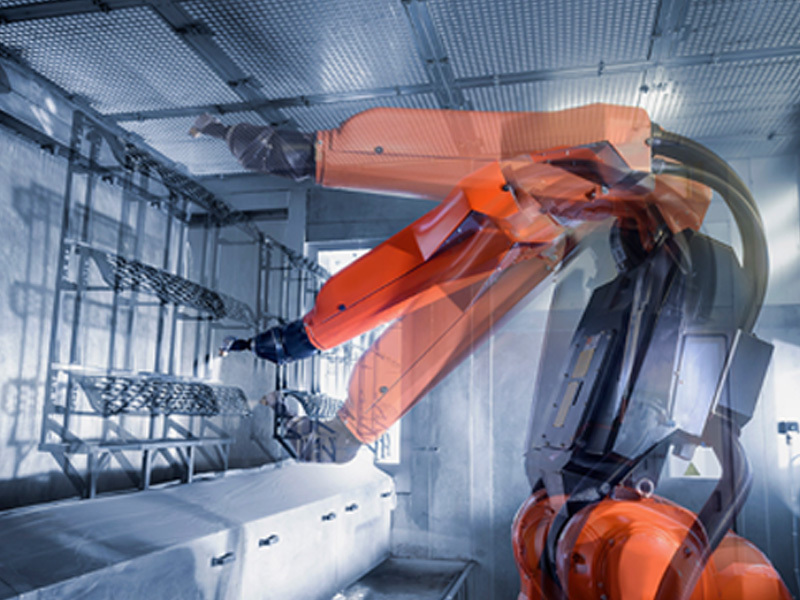
In the world of industrial equipment, automatic spraying solutions have emerged as a game-changer for manufacturers seeking efficiency and precision. These advanced systems are designed to automate the spraying process, leading to significant improvements in productivity and product quality. By leveraging advanced technology, businesses can streamline operations, reduce waste, and achieve uniform application across various materials.
The Importance of Automatic Spraying in Modern Manufacturing
As manufacturing processes become increasingly complex, the need for automation has never been more critical. Automatic spraying solutions can address several challenges faced by manufacturers today, including:
- Labor Shortages: With a diminishing workforce in many industries, automating spraying processes can help mitigate labor shortages.
- Consistency: Manual spraying often leads to variability in application thickness and quality. Automatic systems ensure uniformity across every product.
- Speed: Automatic spraying solutions can operate at higher speeds than manual methods, increasing overall throughput.
Key Components of Automatic Spraying Systems
Understanding the components of automatic spraying systems is essential for manufacturers looking to implement this technology. Key components include:
1. Spray Guns
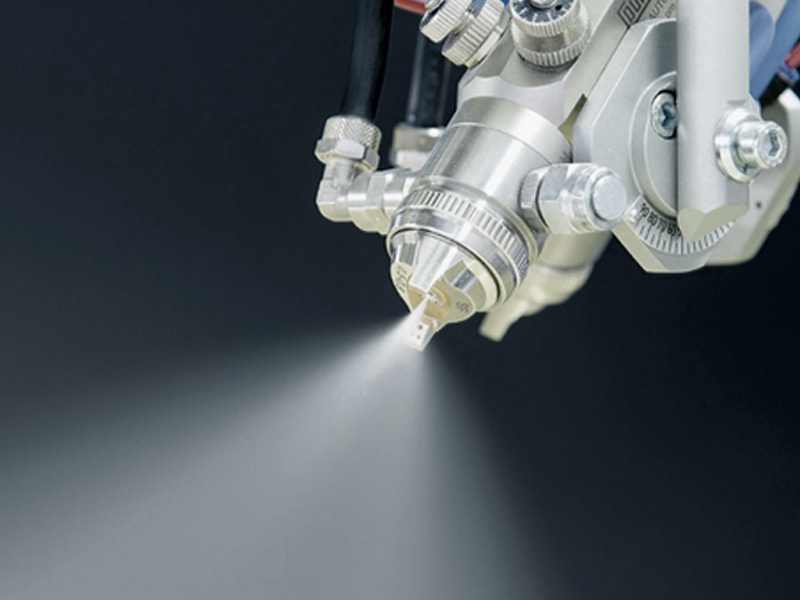
At the heart of any spraying system, spray guns are responsible for atomizing paint or other materials and applying them uniformly to surfaces. Modern automatic spray guns feature advanced technology that allows for precise control over spray patterns and droplet sizes.
2. Control Systems
These systems manage the operation of the spray guns, coordinating timing and pressure to ensure optimal performance. Advanced control systems can be programmed to adapt to different products and materials, enhancing versatility.
3. Conveyor Systems
Conveyor systems transport products through the spraying area, allowing for continuous operation. Automated conveyor systems can be synchronized with the spraying equipment to ensure efficient throughput.
4. Recirculation Systems
To minimize waste and reduce costs, recirculation systems collect excess materials that can be reused, making the process more environmentally friendly and cost-effective.
Benefits of Implementing Automatic Spraying Solutions
Investing in automatic spraying solutions offers numerous advantages for manufacturers:
Enhanced Quality Control
With automatic spraying systems, manufacturers achieve higher quality standards. These systems monitor spray patterns and adjust parameters in real-time, ensuring that every product meets stringent quality requirements.
Cost Efficiency
Although the initial investment in automatic spraying technology can be significant, the long-term savings are substantial. Reduced labor costs, less material waste, and faster production rates contribute to a lower cost per unit, enhancing profitability.
Improved Worker Safety
By automating the spraying process, manufacturers can reduce workers' exposure to hazardous materials, such as solvents or chemicals used in paint. This leads to a safer work environment and compliance with health regulations.
Choosing the Right Automatic Spraying System for Your Needs
Selecting the appropriate automatic spraying solution requires careful consideration of several factors:
1. Type of Products
Different products may require unique spraying techniques and equipment. Evaluate the types of materials you will be spraying, including their viscosity and drying times.
2. Production Volume
Understand your production goals and choose a system that can meet your throughput requirements. Consider scalability options if future expansion is anticipated.
3. Space and Layout
Ensure that your facility can accommodate the chosen spraying system, including space for conveyors and other essential components. Optimize the layout to enhance workflow and minimize bottlenecks.
Integrating Automatic Spraying Solutions into Existing Production Lines
Implementing an automatic spraying solution requires thoughtful integration into existing production lines. Here are steps to guide the process:
1. Assess Current Processes
Before introducing automation, analyze your current spraying processes to identify inefficiencies. This assessment will help you determine the necessary changes to optimize production.
2. Collaborate with Experts
Engage with specialists in automatic spraying solutions who can provide insights and recommendations tailored to your operations. Their expertise will be invaluable in selecting the right system and ensuring smooth integration.
3. Training Employees
Investing in training for your workforce is crucial. Employees should be well-versed in operating the new equipment and understanding the benefits of automation to maximize productivity.
Future Trends in Automatic Spraying Technology
As technology continues to evolve, so do the capabilities of automatic spraying solutions. Some trends to watch include:
1. Smart Technology Integration
The incorporation of IoT devices allows for real-time monitoring and data collection. Manufacturers can analyze performance metrics to optimize processes further and reduce downtime.
2. Eco-Friendly Solutions
With increasing regulatory pressure to reduce environmental impacts, future automatic spraying systems will likely focus on sustainability, incorporating low-VOC materials and energy-efficient technologies.
3. Customization and Flexibility
Advanced systems will offer more options for customization, allowing manufacturers to adapt their spraying processes to meet changing market demands rapidly.
Frequently Asked Questions (FAQs)
1. What industries benefit most from automatic spraying solutions?
Industries such as automotive, aerospace, furniture, and electronics significantly benefit from automatic spraying due to their high output and quality demands.
2. How much can I save by switching to an automatic spraying system?
While savings vary by operation, many manufacturers report a reduction of 20-50% in material waste and labor costs, resulting in improved profit margins over time.
3. Can automatic spraying systems handle various paint types?
Yes, modern automatic spraying systems are designed to work with various materials, including water-based, solvent-based, and specialty coatings, depending on the system's specifications.
4. How do I maintain an automatic spraying system?
Regular maintenance is crucial for optimal performance. This includes cleaning spray guns, checking for leaks, and ensuring that all components are functioning properly.
5. Are automatic spraying systems suitable for small production runs?
While automatic systems are often associated with large-scale production, many options are available for small runs, offering adaptability and efficiency without significant capital investment.
Conclusion
Transforming your production line with an automatic spraying solution is not just a trend; it's a necessity for manufacturers aiming to stay competitive in a rapidly evolving market. By understanding the components, benefits, and implementation strategies of these advanced systems, businesses can significantly enhance their operational efficiency and product quality. Embracing automatic spraying technology allows manufacturers to streamline processes, reduce costs, and maintain a consistent level of excellence in their products. As we move forward, the integration of smart technologies and sustainability measures will further redefine the landscape of industrial spraying, paving the way for a more efficient and eco-friendly future.
Related articles

Building 1, Xiaweishui Industrial Zone, Bao'an District, Shenzhen, China


