


Exploring the Advancements of Professional Industrial Spraying Robots
Release time:
2024-12-30
In the realm of industrial equipment and components, the emergence of professional industrial spraying robots marks a significant advancement in various manufacturing processes. These robots are designed to automate the spraying of paints, coatings, and other materials, enhancing precision, efficiency, and consistency in production environments. One of the primary advantages of employing professio

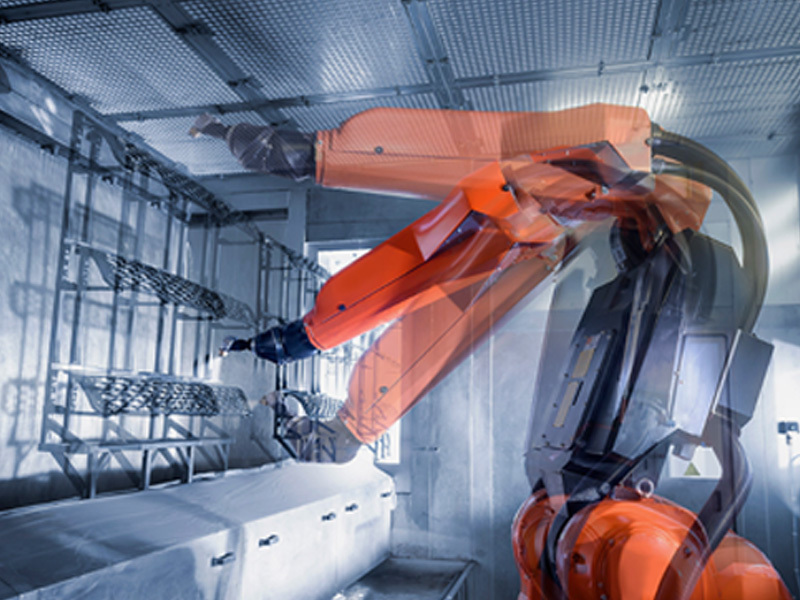
In the realm of industrial equipment and components, the emergence of professional industrial spraying robots marks a significant advancement in various manufacturing processes. These robots are designed to automate the spraying of paints, coatings, and other materials, enhancing precision, efficiency, and consistency in production environments.
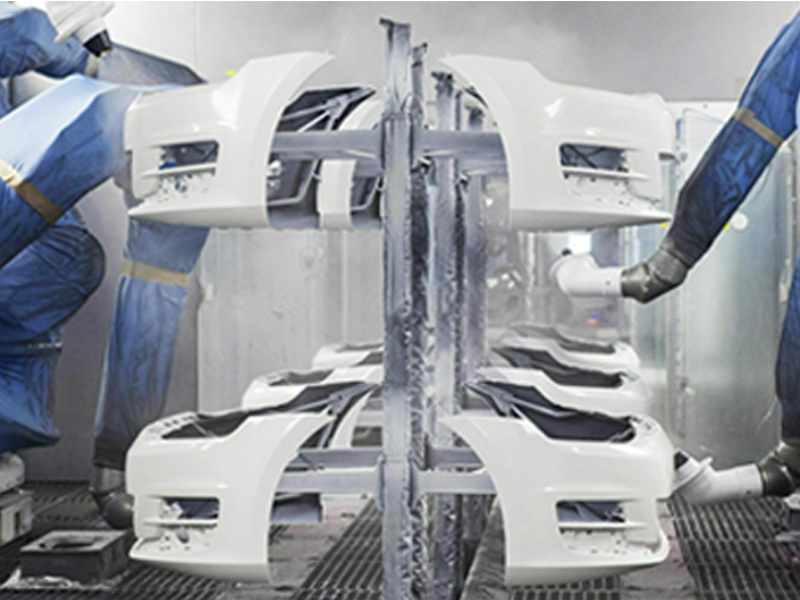
One of the primary advantages of employing professional industrial spraying robots is their ability to deliver uniform application of coatings. Unlike manual spraying, which can be influenced by human error, these robots utilize advanced algorithms and technologies to ensure that every surface receives an even coat. This uniformity not only enhances the aesthetic quality of the finished product but also improves durability and resistance against environmental factors.
Moreover, professional industrial spraying robots can operate in environments that may be hazardous for human workers. By taking over tasks that involve exposure to harmful chemicals or high-pressure systems, these robots significantly reduce the risk of workplace injuries and health issues. As a result, companies can maintain higher safety standards while ensuring that production remains uninterrupted.
The flexibility of professional industrial spraying robots is another noteworthy aspect. Many of these systems are equipped with programmable features that allow them to adjust spraying parameters based on specific requirements. Whether dealing with intricate designs or varying surface textures, these robots can be set to accommodate diverse tasks, making them invaluable assets in industries such as automotive, aerospace, and furniture manufacturing.
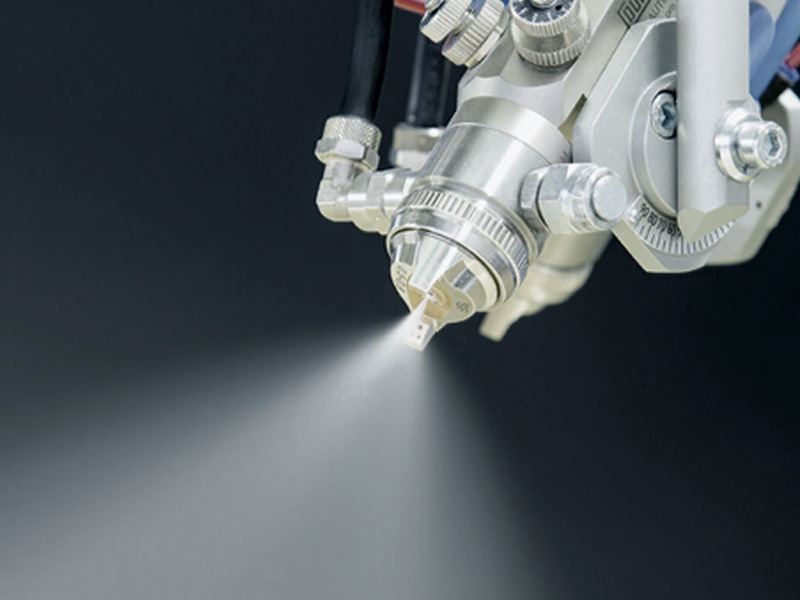
In addition to improving safety and efficiency, professional industrial spraying robots contribute to sustainability efforts. By optimizing material usage, they minimize waste during the spraying process. Advanced robotic systems are designed to control spray patterns and adjust flow rates, ensuring that the exact amount of coating is applied without excess overspray. This not only conserves resources but also aligns with the growing emphasis on environmentally friendly practices in manufacturing.
Integrating professional industrial spraying robots into existing production lines can also lead to significant time savings. The speed at which these robots can operate allows for faster turnaround times on projects, enhancing overall productivity. As a result, businesses can meet tight deadlines without compromising on quality, giving them a competitive edge in the market.
As technology continues to evolve, the capabilities of professional industrial spraying robots will likely expand further. Innovations in artificial intelligence, machine learning, and real-time data analysis promise to enhance their efficiency and functionality even more. Companies looking to stay ahead of the curve should consider investing in these advanced systems to keep pace with industry demands and improve their operational processes.
In summary, professional industrial spraying robots represent a pivotal shift in manufacturing techniques, offering myriad benefits from enhanced safety to improved efficiency and sustainability. As industries evolve, these robots will remain integral to meeting the challenges of modern production environments, paving the way for a more innovative and productive future.
Related articles

Building 1, Xiaweishui Industrial Zone, Bao'an District, Shenzhen, China


