


How Machine Spray Robots Revolutionize Industrial Painting
Release time:
2024-12-11
How Machine Spray Robots Revolutionize Industrial Painting Table of Contents 1. Introduction to Machine Spray Robots in Industrial Painting 2. A Brief History of Industrial Painting Technologies 3. Understanding the Technology Behind Spray Robots 4. Benefits of Using Machine Spray Robots in Painting 5. Applications of Spray Robots in Various Industries 6. Economic Impact o

How Machine Spray Robots Revolutionize Industrial Painting
Table of Contents
- 1. Introduction to Machine Spray Robots in Industrial Painting
- 2. A Brief History of Industrial Painting Technologies
- 3. Understanding the Technology Behind Spray Robots
- 4. Benefits of Using Machine Spray Robots in Painting
- 5. Applications of Spray Robots in Various Industries
- 6. Economic Impact of Spray Robots on Businesses
- 7. The Future of Machine Spray Robots in Industrial Painting
- 8. FAQs About Machine Spray Robots
- 9. Conclusion
1. Introduction to Machine Spray Robots in Industrial Painting
Machine spray robots have emerged as a revolutionary technological advancement in the field of industrial painting. These automated systems are designed to enhance the painting process by providing precise, consistent, and efficient application of coatings. As industries continue to seek ways to improve productivity and reduce operational costs, the adoption of machine spray robots has gained significant traction. In this article, we will delve into the multifaceted advantages of these robots, their applications across various sectors, and their transformative impact on the industrial painting landscape.
2. A Brief History of Industrial Painting Technologies
The evolution of industrial painting can be traced back to the early 20th century when manual painting methods dominated the industry. Initially, skilled labor was the only way to achieve quality finishes on machinery and structures. However, as production demands grew, the limitations of manual labor became evident, leading to the development of spray painting technology in the mid-1900s. Over the decades, advancements in equipment and materials paved the way for the emergence of automated spray systems.
The introduction of machine spray robots in the late 20th century marked a significant turning point. These robots have gradually replaced traditional methods, allowing for greater speed, efficiency, and accuracy in the painting process. As technology continues to evolve, machine spray robots are becoming more sophisticated, incorporating artificial intelligence (AI) and machine learning capabilities that further enhance their effectiveness.
3. Understanding the Technology Behind Spray Robots
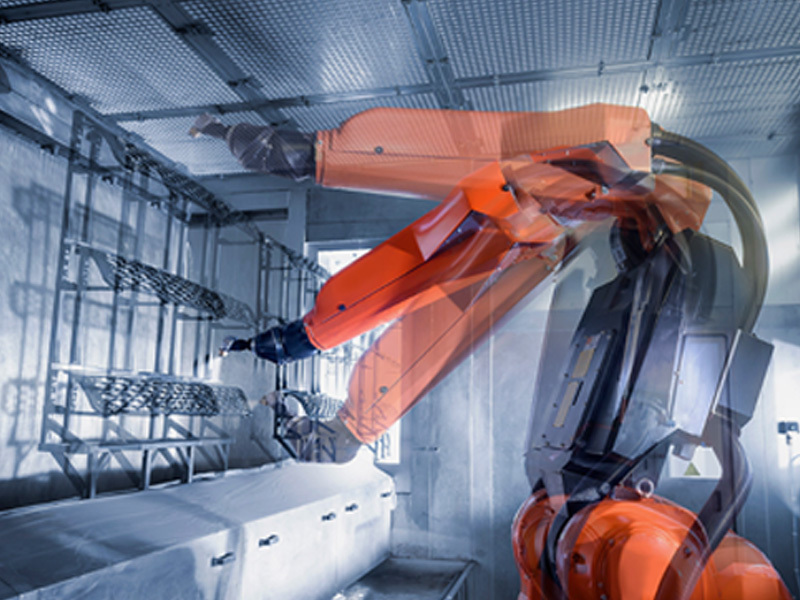
Machine spray robots operate using a complex array of technologies designed to optimize the painting process. These systems typically consist of several key components, including robotic arms, spray guns, and advanced control software. The robotic arms are programmed to perform precise movements, ensuring uniform coverage of surfaces.
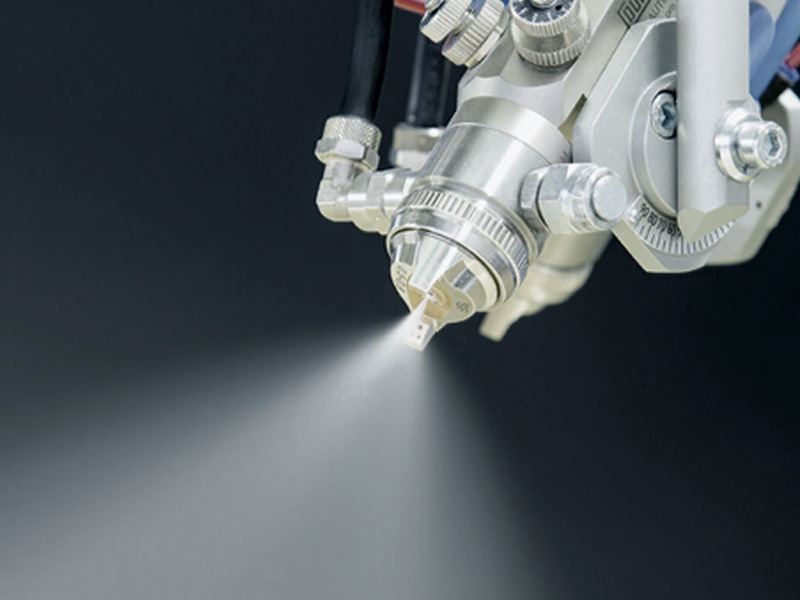
Advanced spray guns are equipped with sensors that adjust the spray pattern and flow rate based on the surface being painted. This adaptability allows for consistent application, reducing overspray and waste. Many modern spray robots also incorporate AI-driven algorithms that analyze real-time data to improve efficiency and quality further.
Moreover, the integration of Vision Systems enables the robots to identify the contours and features of the surfaces they are painting. This capability allows for intricate detailing and ensures that every inch of the surface is adequately covered. The use of these technologies not only enhances the quality of the finish but also reduces the time and labor involved in the painting process.
4. Benefits of Using Machine Spray Robots in Painting
The adoption of machine spray robots in industrial painting brings numerous advantages that significantly outweigh traditional manual methods. Here are some key benefits:
4.1 Enhanced Precision and Consistency
One of the foremost advantages of machine spray robots is their ability to deliver precise and consistent paint application. Unlike manual painting, where human error can lead to uneven finishes and missed spots, spray robots maintain an unwavering standard. This precision translates to higher quality finishes and reduced rework costs.
4.2 Increased Efficiency and Productivity
Machine spray robots operate at a speed that far exceeds that of human painters. Their ability to work continuously without breaks results in significant time savings. As a result, businesses can complete projects faster, meet tight deadlines, and increase overall productivity.
4.3 Reduced Material Waste
Using advanced spray technology minimizes overspray and material waste. Machine spray robots apply coatings more efficiently, ensuring that the maximum amount of paint adheres to the surface rather than being lost in the air. This efficiency not only reduces costs but also contributes to more sustainable practices.
4.4 Improved Worker Safety
The painting process can expose workers to hazardous chemicals and fumes commonly found in paints and solvents. By automating the painting tasks, machine spray robots significantly reduce the risk of exposure for human workers. Additionally, robots can operate in environments that may be unsafe for humans, such as confined spaces or areas with toxic materials.
4.5 Flexibility and Customization
Modern machine spray robots are highly adaptable. They can be programmed to perform various painting tasks, from simple applications to complex designs. This flexibility allows companies to customize their painting processes based on specific project requirements, accommodating different surfaces, materials, and finishes.
5. Applications of Spray Robots in Various Industries
Machine spray robots have found applications across a diverse range of industries, each benefiting from the efficiencies and enhancements these systems provide.
5.1 Automotive Industry
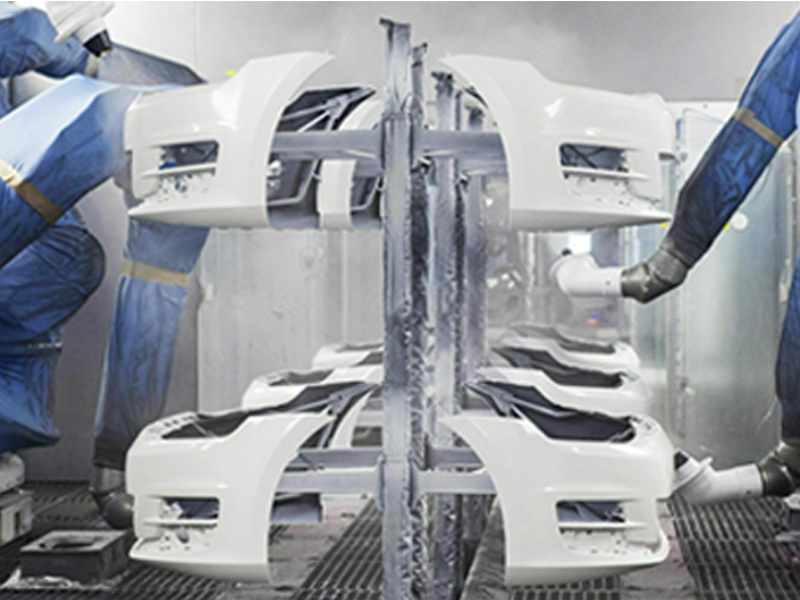
The automotive sector has been one of the pioneers in adopting machine spray robots for painting vehicle components. Robots ensure that every vehicle receives a flawless finish, improving both aesthetics and durability. Additionally, the speed of robotic painting lines allows manufacturers to increase production rates significantly.
5.2 Aerospace Sector
In the aerospace industry, precision is paramount. Machine spray robots are employed to paint aircraft components, ensuring that every surface meets stringent safety and quality standards. The consistent application of specialized coatings enhances the performance and longevity of these critical components.
5.3 Electronics Manufacturing
Machine spray robots are also utilized in electronics manufacturing for coating circuit boards and components. The ability to apply precise coatings helps protect sensitive electronic parts from environmental factors, ensuring their reliability and performance.
5.4 Furniture and Woodworking
In the furniture industry, spray robots streamline the finishing process for wooden products. Their capability to apply finishes uniformly and efficiently allows manufacturers to enhance the aesthetics of their products while maintaining high production volumes.
5.5 Construction and Heavy Equipment
Machine spray robots are increasingly used in the construction industry for painting large machinery and structural elements. Their ability to cover vast surfaces quickly and efficiently makes them ideal for projects where time is of the essence.
6. Economic Impact of Spray Robots on Businesses
The economic implications of adopting machine spray robots in industrial painting extend beyond immediate cost savings. Businesses that integrate this technology can expect long-term financial benefits, including:
6.1 Lower Labor Costs
Automating the painting process reduces the reliance on manual labor, leading to significant labor cost savings. While the initial investment in robotic technology may be substantial, the long-term savings in labor costs can be substantial.
6.2 Increased Production Rates
The ability to operate continuously at high speeds allows businesses to increase their production rates. This boost in efficiency enables companies to take on more projects and fulfill higher order volumes, ultimately leading to increased revenue.
6.3 Lower Material Costs
With reduced overspray and waste, companies can achieve significant savings on material costs. The efficient use of paint and coatings ensures that every dollar spent on materials translates into value for the business.
6.4 Enhanced Competitiveness
In an increasingly competitive market, companies that adopt cutting-edge technologies like machine spray robots gain a distinct advantage. The ability to deliver high-quality products faster and at a lower cost positions these businesses favorably against their competitors.
7. The Future of Machine Spray Robots in Industrial Painting
As technology continues to advance, the future of machine spray robots in industrial painting looks promising. Several trends are shaping the evolution of this technology:
7.1 Integration of Artificial Intelligence
The integration of AI in machine spray robots will enhance their decision-making capabilities. AI algorithms can analyze painting conditions in real time, adjusting parameters for optimal results. This development promises to further improve precision and efficiency.
7.2 Increased Customization
Future spray robots will likely offer even greater customization options, allowing businesses to adapt to specific project requirements seamlessly. This flexibility will enable companies to cater to unique customer needs while maintaining high-quality standards.
7.3 Sustainability Initiatives
As industries strive for sustainability, machine spray robots will be designed to minimize environmental impact. This may include the use of eco-friendly materials and processes, further reducing waste and emissions associated with traditional painting methods.
7.4 Enhanced Collaboration with Human Workers
Rather than replacing human workers, future developments may focus on collaboration between robots and humans. Hybrid systems will allow workers to supervise and assist robots, combining human creativity and intuition with robotic efficiency.
8. FAQs About Machine Spray Robots
8.1 What types of surfaces can machine spray robots paint?
Machine spray robots can effectively paint a wide range of surfaces, including metal, plastic, wood, and composite materials, making them versatile for various applications.
8.2 How much do machine spray robots cost?
The cost of machine spray robots varies significantly based on the technology and capabilities required. While initial investments can be high, the long-term savings typically justify the expense.
8.3 How do machine spray robots improve safety in the workplace?
By automating the painting process, machine spray robots reduce workers' exposure to hazardous materials, thereby enhancing safety in the workplace.
8.4 Can machine spray robots be programmed for different painting tasks?
Yes, machine spray robots can be easily programmed to perform various painting tasks, making them adaptable for different projects and requirements.
8.5 What industries benefit most from spray robot technology?
Industries such as automotive, aerospace, electronics, furniture, and construction benefit significantly from machine spray robot technology due to its efficiency and precision.
9. Conclusion
Machine spray robots represent a paradigm shift in industrial painting, offering unparalleled precision, efficiency, and safety. As industries continue to embrace automation and advanced technologies, the impact of these robots will only grow stronger. From automotive manufacturing to aerospace applications, the benefits of machine spray robots are evident across various sectors. As we look to the future, the continued development of this technology promises to revolutionize the painting process, making it more sustainable, efficient, and adaptable to the ever-changing demands of the industry. Embracing this innovation is not just a trend; it is a strategic decision that can significantly enhance a business's competitive edge in the marketplace.
Related articles

Building 1, Xiaweishui Industrial Zone, Bao'an District, Shenzhen, China


