


Revolutionize Your Workflow with an Automatic Paint Spraying Machine
Release time:
2024-12-09
Revolutionize Your Workflow with an Automatic Paint Spraying Machine Table of Contents 1. Introduction to Automatic Paint Spraying Machines 2. Key Benefits of Using Automatic Paint Spraying Machines 3. How Automatic Paint Spraying Machines Work 4. Types of Automatic Paint Spraying Machines 5. Applications of Automatic Paint Spraying Machines in Various Industries 6. Cost-Effective

Revolutionize Your Workflow with an Automatic Paint Spraying Machine
Table of Contents
- 1. Introduction to Automatic Paint Spraying Machines
- 2. Key Benefits of Using Automatic Paint Spraying Machines
- 3. How Automatic Paint Spraying Machines Work
- 4. Types of Automatic Paint Spraying Machines
- 5. Applications of Automatic Paint Spraying Machines in Various Industries
- 6. Cost-Effectiveness of Automatic Paint Spraying Machines
- 7. Maintenance Tips for Optimal Performance
- 8. Future Trends in Automatic Paint Spraying Technology
- 9. Frequently Asked Questions
- 10. Conclusion
1. Introduction to Automatic Paint Spraying Machines
In the dynamic world of industrial applications, **efficiency** and **quality** are paramount. Automatic paint spraying machines emerge as essential tools that streamline operations, ensuring superior finishes while saving valuable time and resources. These machines have transformed traditional painting methods, enabling businesses to achieve **consistent results** and enhance productivity.
Automatic paint spraying machines utilize advanced technology to automate the painting process, reducing the reliance on manual labor and minimizing human error. As industries evolve, integrating innovative equipment like these machines becomes crucial for maintaining a competitive edge.
2. Key Benefits of Using Automatic Paint Spraying Machines
Implementing automatic paint spraying machines in your operations offers numerous advantages:
2.1 Increased Efficiency
Automatic machines operate at higher speeds compared to manual painting, significantly increasing throughput. This boost in efficiency enables businesses to meet tight deadlines without compromising quality.
2.2 Superior Finish Quality
With consistent spray patterns and precision, automatic sprayers deliver a flawless finish. The uniform application reduces the risk of drips and uneven coverage, leading to aesthetically pleasing results.
2.3 Reduced Material Waste
By optimizing paint application, automatic machines minimize overspray and material waste. This eco-friendly approach not only saves costs but also supports sustainability efforts.
2.4 Improved Worker Safety
Automation reduces the need for manual painting in hazardous environments, enhancing worker safety. Operators can control machines from a distance, limiting exposure to harmful chemicals and fumes.
2.5 Customization Options
Many automatic paint spraying machines come with customizable settings, allowing operators to adjust spray patterns, pressure, and paint flow according to specific project requirements. This flexibility caters to diverse applications across industries.
3. How Automatic Paint Spraying Machines Work
The operation of automatic paint spraying machines is based on several key components and technologies:
3.1 Spray Mechanism
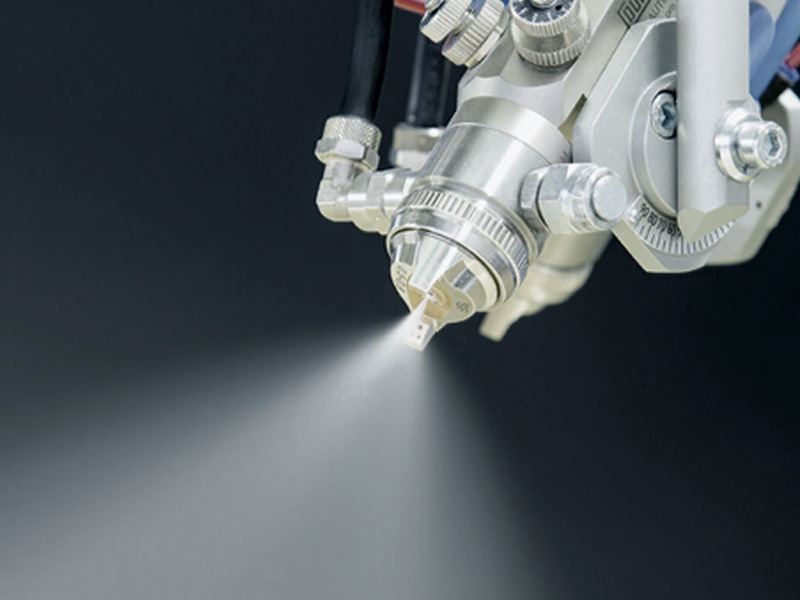
Automatic sprayers utilize various spray mechanisms, including airless, HVLP (High Volume Low Pressure), and electrostatic systems. Each method has unique advantages, catering to specific application needs.
3.2 Control Systems
Modern machines are equipped with sophisticated control systems that allow operators to set parameters such as spray speed, pressure, and flow rate. These controls ensure precise and efficient paint application.
3.3 Automation and Robotics
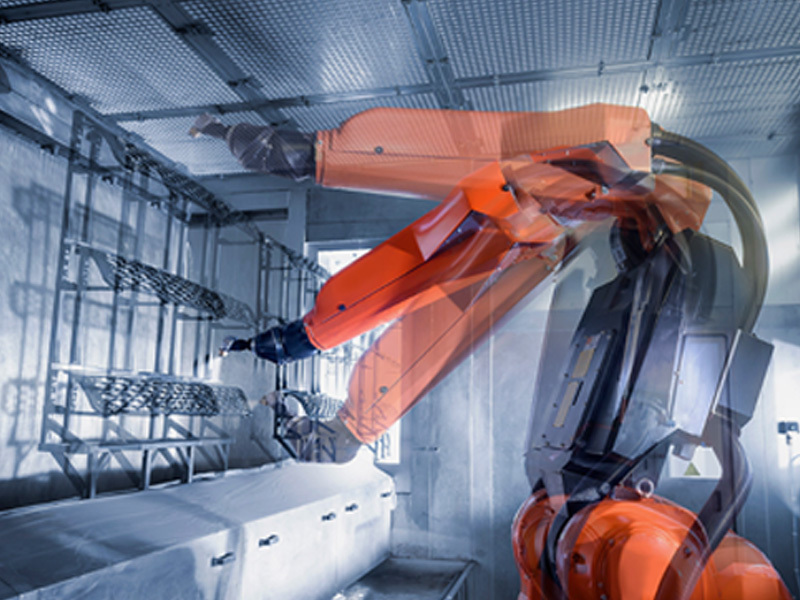
Many automatic sprayers incorporate robotic arms that navigate around the workpiece, ensuring even coverage and reducing the likelihood of human error. Robotics enhance speed and consistency in the painting process.
3.4 Integration with Other Processes
Automatic paint spraying machines can be integrated with other manufacturing processes such as drying, curing, and quality control systems, creating a seamless workflow that maximizes productivity.
4. Types of Automatic Paint Spraying Machines
Understanding the different types of automatic paint spraying machines is essential for selecting the right one for your business:
4.1 Airless Paint Sprayers
These machines use high pressure to force paint through a spray tip, creating a fine mist. Airless sprayers are ideal for large surfaces and outdoor applications.
4.2 HVLP Sprayers
High Volume Low Pressure sprayers utilize a lower pressure system that reduces overspray while maximizing control. They are perfect for detailed work and intricate designs.
4.3 Electrostatic Sprayers
These machines charge paint particles, attracting them to surfaces for an even application. Electrostatic sprayers are particularly effective in industries where precision is critical.
4.4 Robotic Sprayers
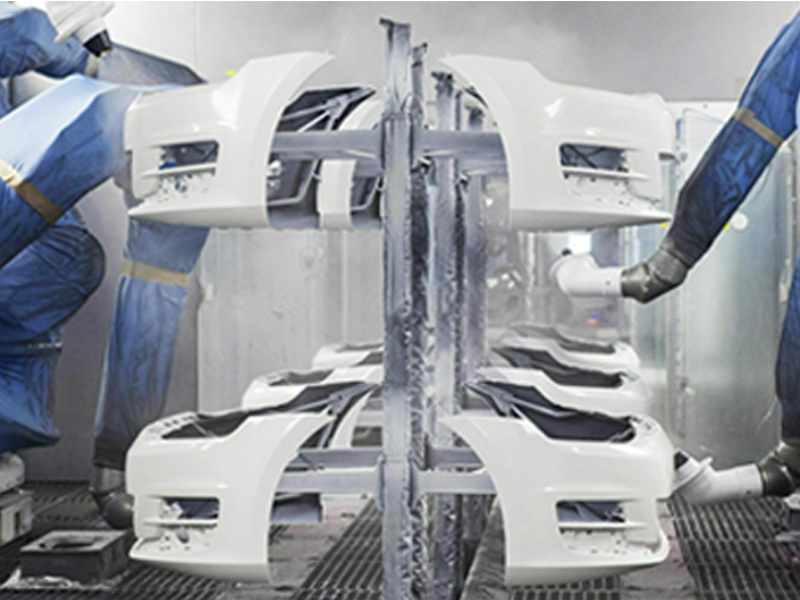
Robotic paint sprayers offer unparalleled flexibility and speed. They are programmed to paint complex shapes and contours, making them popular in automotive and aerospace industries.
5. Applications of Automatic Paint Spraying Machines in Various Industries
Automatic paint spraying machines have extensive applications across numerous sectors:
5.1 Automotive Industry
In the automotive sector, precision and speed are crucial. Automatic sprayers streamline the painting process, ensuring consistent finishes on vehicles while reducing cycle times.
5.2 Furniture Manufacturing
Furniture manufacturers utilize these machines to achieve smooth, even coatings on wood and metal surfaces. The ability to customize paint types and colors enhances product appeal.
5.3 Aerospace Industry
In aerospace, the need for durability and reliability is paramount. Automatic paint spraying machines provide the precision required for critical components while ensuring compliance with industry standards.
5.4 Construction and Building
Construction companies leverage these machines for painting large structures, facades, and interiors. The efficiency and quality of automatic sprayers are invaluable in meeting project deadlines.
5.5 Electronics and Appliances
Electronics manufacturers use automatic paint spraying machines to apply protective coatings and finishes to various components, ensuring functionality and aesthetic appeal.
6. Cost-Effectiveness of Automatic Paint Spraying Machines
Investing in an automatic paint spraying machine can lead to significant cost savings over time:
6.1 Reduced Labor Costs
By automating the painting process, businesses can reduce labor costs associated with manual painting, redirecting resources to other crucial areas of production.
6.2 Lower Material Costs
The precision of automatic sprayers minimizes paint waste, leading to lower material costs. This efficiency contributes to a better overall return on investment.
6.3 Increased Productivity
With higher speeds and consistent results, automatic machines allow companies to complete more projects in less time, maximizing productivity and profitability.
7. Maintenance Tips for Optimal Performance
To ensure your automatic paint spraying machine operates at peak efficiency, consider the following maintenance tips:
7.1 Regular Cleaning
Cleaning the machine after each use prevents paint buildup and ensures smooth operation. Follow the manufacturer’s instructions for proper cleaning procedures.
7.2 Routine Inspections
Conduct regular inspections to identify wear and tear. Check hoses, nozzles, and filters for clogs or damage, replacing parts as necessary.
7.3 Calibration and Adjustments
Periodically calibrate the machine to ensure accurate spray patterns and pressure settings. Adjustments may be needed based on changes in paint types or application conditions.
7.4 Staff Training
Providing comprehensive training for operators can enhance machine performance and reduce the risk of operational errors. Well-trained staff are more likely to detect issues early and maintain the equipment properly.
8. Future Trends in Automatic Paint Spraying Technology
As technology continues to advance, several trends are shaping the future of automatic paint spraying machines:
8.1 Smart Technology Integration
The incorporation of **IoT (Internet of Things)** technology will enable machines to communicate with other devices for real-time monitoring and adjustments, enhancing efficiency.
8.2 Eco-Friendly Solutions
With a growing emphasis on sustainability, manufacturers are developing eco-friendly paint options and machines designed to minimize environmental impact.
8.3 Advanced Robotics
The evolution of robotic technology will lead to more sophisticated machines capable of complex tasks and improved precision in painting processes.
8.4 Customization and Flexibility
Future machines will likely offer even greater customization options, allowing businesses to adapt to varying project requirements quickly.
9. Frequently Asked Questions
9.1 What is the primary advantage of using an automatic paint spraying machine?
The primary advantage is increased efficiency combined with superior finish quality, significantly reducing both labor costs and material waste.
9.2 How do I choose the right automatic paint spraying machine for my needs?
Consider factors such as the type of materials you will be painting, the scale of your operations, and specific application requirements.
9.3 Can I use different types of paint with automatic sprayers?
Yes, most automatic paint spraying machines can handle various paint types, including water-based, solvent-based, and specialty paints.
9.4 What maintenance is required for automatic paint spraying machines?
Regular cleaning, routine inspections, calibration, and operator training are essential for maintaining peak performance.
9.5 Are automatic paint spraying machines suitable for small businesses?
Absolutely. While they are beneficial for large operations, many models are designed to accommodate the needs of small to medium-sized businesses as well.
10. Conclusion
In conclusion, integrating an **automatic paint spraying machine** into your workflow can **revolutionize** your industrial processes. These machines deliver unparalleled efficiency, quality, and safety, positioning your business for success in a competitive market. By understanding the benefits, types, applications, and maintenance of these machines, organizations can make informed decisions that enhance productivity and profitability. As technology continues to evolve, embracing innovations in paint application will be crucial for staying ahead in the rapidly changing industrial landscape.
Related articles

Building 1, Xiaweishui Industrial Zone, Bao'an District, Shenzhen, China


