


Revolutionizing Coating Processes: The Future of Spraying Robots
Release time:
2024-10-26
Revolutionizing Coating Processes: The Future of Spraying Robots Table of Contents Introduction to Spraying Robots and Coating Processes The Importance of Coating in Various Industries What Are Spraying Robots? Advantages of Spraying Robots in Coating Processes Applications of Spraying Robots in Different Industries Future Trends in Spraying Robot Technology Challenges

Revolutionizing Coating Processes: The Future of Spraying Robots
Table of Contents
- Introduction to Spraying Robots and Coating Processes
- The Importance of Coating in Various Industries
- What Are Spraying Robots?
- Advantages of Spraying Robots in Coating Processes
- Applications of Spraying Robots in Different Industries
- Future Trends in Spraying Robot Technology
- Challenges in Implementing Spraying Robots
- Conclusion
- FAQs
Introduction to Spraying Robots and Coating Processes
The industrial landscape is on the brink of a significant transformation, particularly in the area of coating processes. As manufacturing demands increase, industries are seeking innovative solutions to enhance efficiency and quality. **Spraying robots** represent a pivotal advancement, providing an automated approach to applying coatings on various surfaces. This article aims to explore how these robots are revolutionizing coating processes across different sectors.
The Importance of Coating in Various Industries
Coating is an essential process in numerous industries, including automotive, aerospace, electronics, and consumer goods. The application of coatings not only enhances the aesthetic appeal of products but also provides critical protective layers against environmental factors.
1. Protection Against Corrosion
Coatings are vital for protecting surfaces from corrosion and wear, which can significantly extend the lifespan of products. For instance, **automotive components** often undergo extensive coating processes to resist rust and deterioration.
2. Enhancement of Aesthetic Qualities
In consumer goods, coatings play a crucial role in providing visual appeal. **Spraying technology** allows manufacturers to achieve smooth finishes and vibrant colors that attract consumers.
3. Improving Functional Properties
Certain coatings improve the functionality of products, such as non-stick surfaces in cookware or thermal barriers in aerospace applications. These enhancements are essential for meeting customer expectations and industry standards.
What Are Spraying Robots?
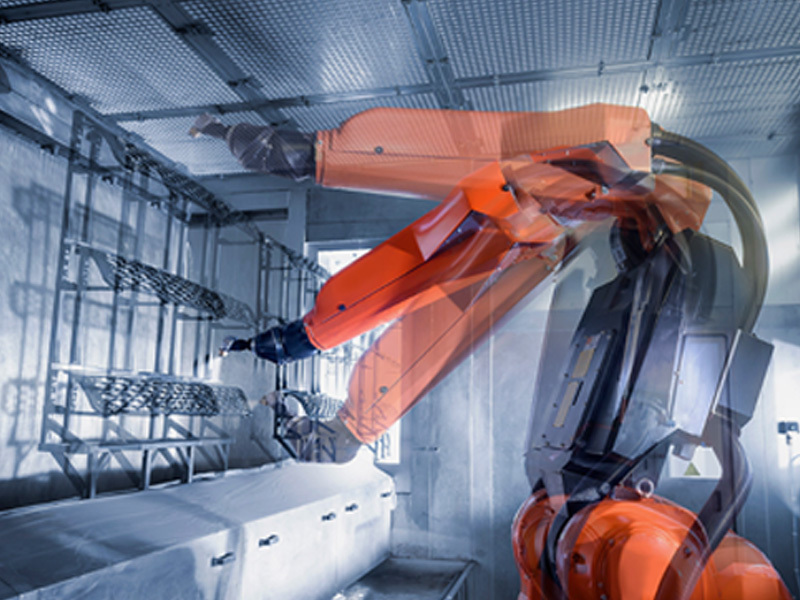
Spraying robots are automated machines designed to apply coatings on various surfaces with precision. Equipped with advanced technology, these robots can perform tasks that traditionally relied on human labor, including painting, spraying, and finishing.
1. Components of Spraying Robots
Typically, a spraying robot consists of several key components:
- **Robotic Arm:** Provides flexibility and movement across different angles and positions.
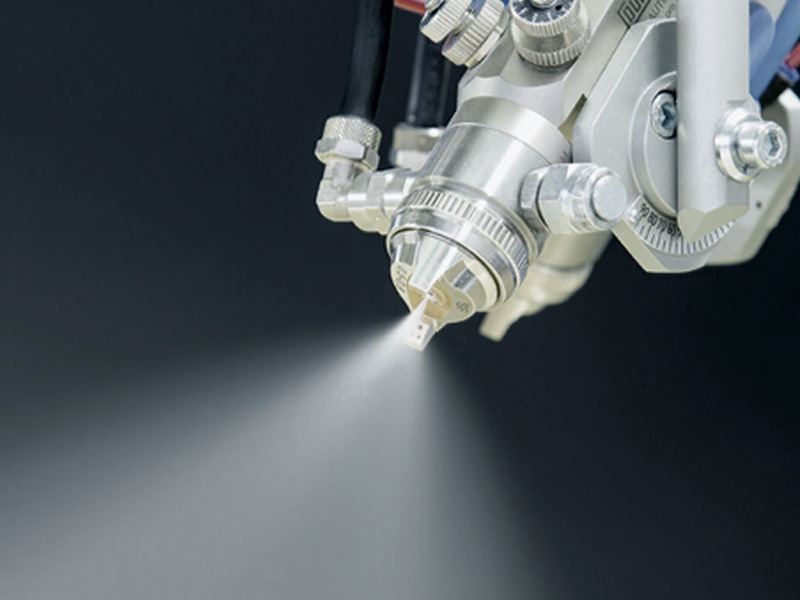
- **Spraying Tool:** Depending on the application, this could be a spray gun, airbrush, or other dispensing apparatus.
- **Control System:** An advanced software system allows for programming and real-time monitoring of the spraying process.
2. Types of Spraying Robots
Spraying robots can be classified into various types, including:
- **Articulated Robots:** These robots have rotating joints, enabling a wide range of motion.
- **SCARA Robots:** Designed for horizontal movement, SCARA robots are ideal for high-speed applications.
- **Delta Robots:** Known for their speed and precision, delta robots are commonly used in high-throughput environments.
Advantages of Spraying Robots in Coating Processes
Adopting spraying robots in industrial operations brings numerous benefits that enhance productivity and quality.
1. Consistency and Quality Control
One of the primary advantages of using spraying robots is their ability to maintain consistent quality across large production runs. Automated systems minimize human error, ensuring uniform application of coatings.
2. Increased Efficiency and Speed
Spraying robots can operate continuously, significantly reducing the time taken for coating tasks. This efficiency translates into higher output rates, allowing manufacturers to meet growing demand.
3. Cost-Effectiveness
While the initial investment in spraying robots may be substantial, the long-term savings are noteworthy. By reducing material waste and labor costs, businesses can achieve a quicker return on investment.
4. Enhanced Safety
Automating the spraying process reduces the exposure of employees to hazardous materials and fumes, promoting a safer working environment.
Applications of Spraying Robots in Different Industries
Spraying robots are versatile and can be found in various industries, each leveraging the technology for specific applications.
1. Automotive Industry
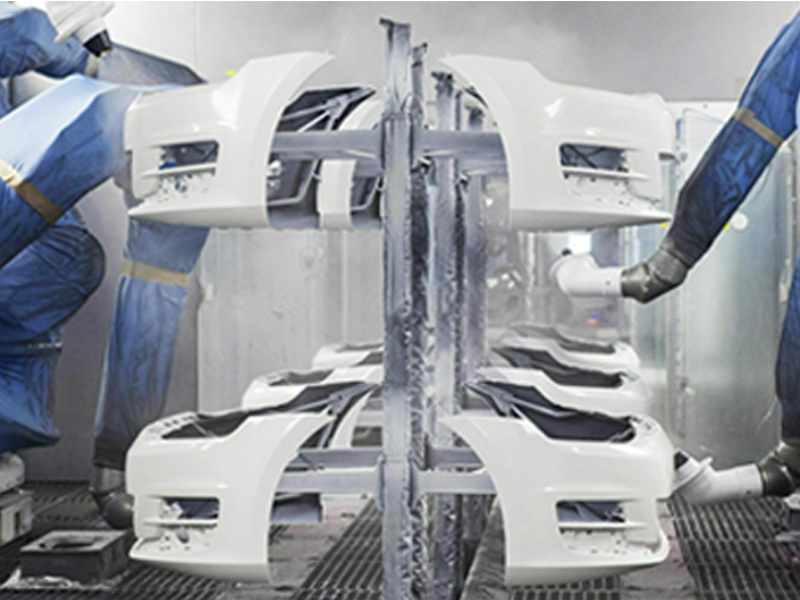
In the automotive sector, spraying robots are used for painting car bodies and applying protective coatings. The precision of these robots ensures that every vehicle achieves a flawless finish.
2. Aerospace Industry
Aerospace manufacturers utilize spraying robots for applying specialized coatings that enhance performance and durability. These coatings are crucial for protecting aircraft from extreme conditions.
3. Electronics Manufacturing
In electronics, spraying robots apply protective coatings to circuit boards and components. This process is vital for preventing damage from moisture and environmental contaminants.
4. Furniture Production
The furniture industry benefits from spraying robots in the application of stains and finishes. Automated spraying provides uniform coverage, improving both aesthetics and durability.
Future Trends in Spraying Robot Technology
As technology continues to evolve, the future of spraying robots looks promising. Several key trends are emerging in this field.
1. Integration of AI and Machine Learning
The incorporation of artificial intelligence (AI) and machine learning algorithms will enhance the adaptability of spraying robots. These technologies will allow robots to learn from past applications, improving efficiency and quality over time.
2. Collaborative Robots (Cobots)
Collaborative robots, or cobots, are designed to work alongside humans. In coating processes, cobots will assist workers by handling repetitive tasks, thus increasing overall productivity and safety.
3. Advanced Material Technologies
With the development of new coating materials, spraying robots will need to adapt to different viscosities and chemical compositions. Future models will incorporate advanced dispensing technologies to handle a wider range of materials.
4. Enhanced User Interfaces
User-friendly interfaces will simplify the programming and operation of spraying robots, making it easier for non-experts to manage these advanced machines.
Challenges in Implementing Spraying Robots
While the benefits of spraying robots are significant, several challenges can arise during their implementation.
1. High Initial Investment
The upfront costs associated with purchasing and installing spraying robots can be a barrier for some businesses, especially smaller manufacturers.
2. Technical Expertise Required
Operating and maintaining advanced robotic systems requires specialized knowledge. Companies must invest in training and upskilling their workforce.
3. Integration with Existing Systems
Integrating spraying robots into existing production lines can pose logistical challenges, requiring careful planning and execution.
Conclusion
The future of spraying robots in industrial coating processes is undeniably bright. As advancements in technology continue to emerge, these robots will play a crucial role in enhancing efficiency, quality, and safety across various industries. By understanding the benefits, applications, and future trends, businesses can leverage spraying robots to stay ahead in the competitive market, ultimately revolutionizing their coating processes.
FAQs
1. What industries benefit the most from spraying robots?
Spraying robots are widely used in the automotive, aerospace, electronics, and furniture industries.
2. How do spraying robots improve coating quality?
Spraying robots provide consistent and uniform application, reducing human errors and ensuring high-quality finishes.
3. Are spraying robots cost-effective for small businesses?
While the initial investment may be high, the long-term savings in labor and material costs can make them cost-effective for many businesses.
4. What advancements can we expect in spraying robot technology?
Future advancements include AI integration, collaborative robots, and enhanced user interfaces for easier operation.
5. What challenges do companies face when implementing spraying robots?
Companies may face challenges related to high initial costs, the need for technical expertise, and integration with existing systems.
Related articles

Building 1, Xiaweishui Industrial Zone, Bao'an District, Shenzhen, China


