


Enhancing Efficiency and Precision: The Role of Spray Paint Robots in Industrial Coating
Release time:
2024-10-25
In today’s fast-paced industrial environment, achieving high-quality finishes while maintaining efficiency is crucial. One of the most effective solutions to this challenge is the implementation of spray paint robots. These automated systems have revolutionized the coating process by providing consistent, high-quality results that manual methods often cannot achieve. Spray paint robots are design

In today’s fast-paced industrial environment, achieving high-quality finishes while maintaining efficiency is crucial. One of the most effective solutions to this challenge is the implementation of spray paint robots. These automated systems have revolutionized the coating process by providing consistent, high-quality results that manual methods often cannot achieve.
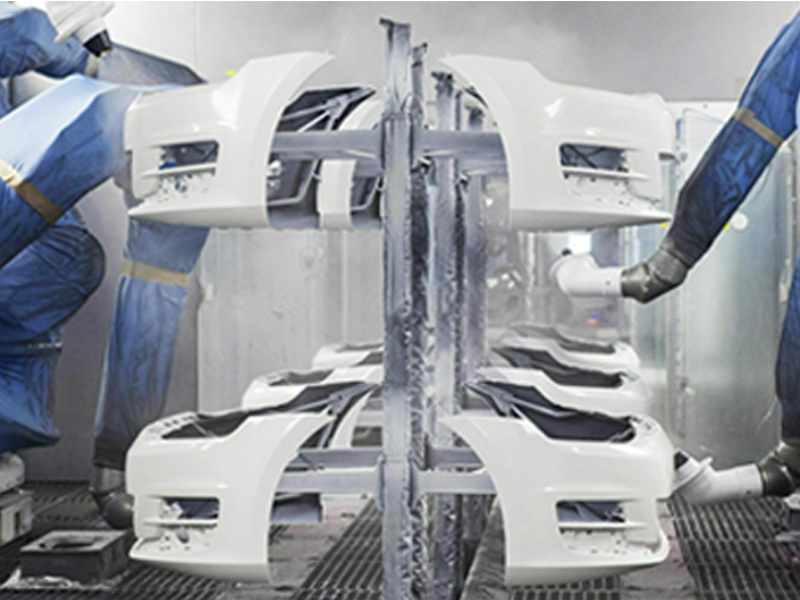
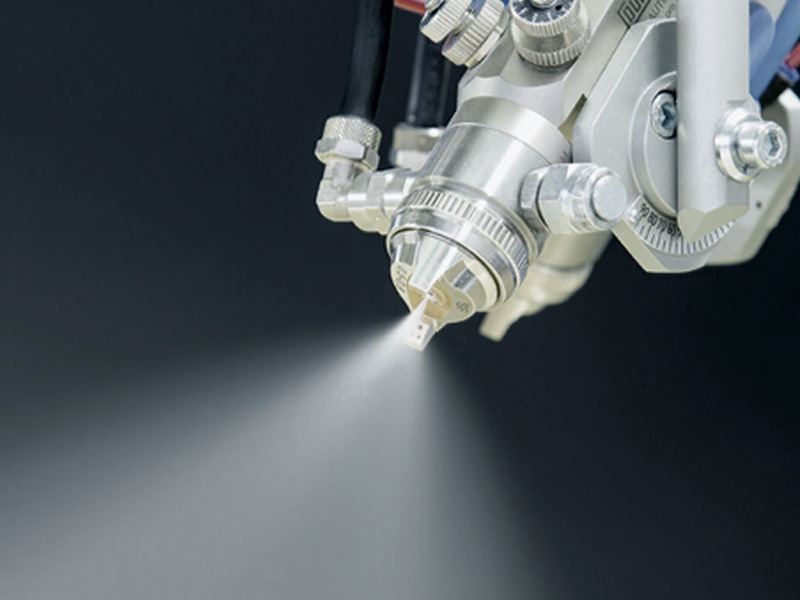
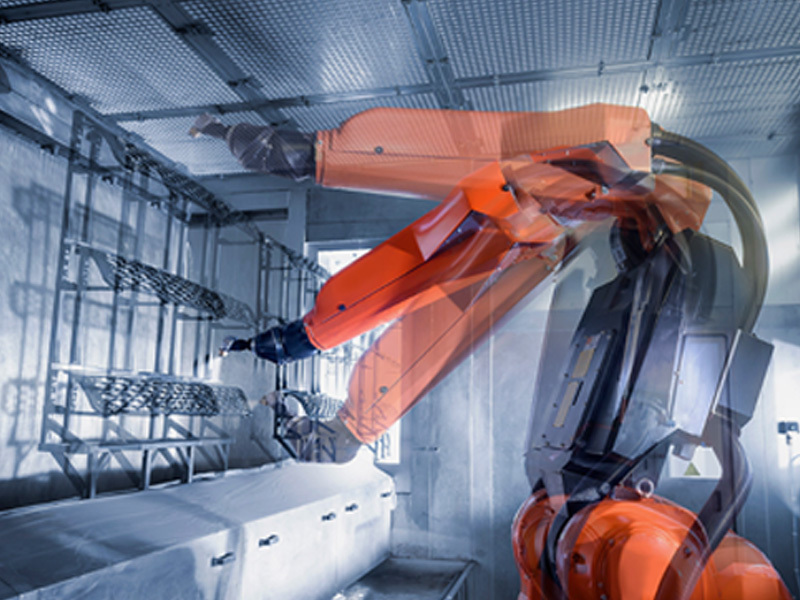
Spray paint robots are designed to handle a variety of spraying tasks, accommodating different shapes and sizes of workpieces. They utilize advanced technology to optimize the spray pattern and ensure even coverage, significantly reducing the likelihood of defects such as drips or uneven coats. Additionally, these robots can be programmed to adjust their speed and spray pressure based on the specific requirements of the job. This level of customization allows manufacturers to achieve superior finishes tailored to their unique specifications.
One of the primary advantages of using a spray paint robot is enhanced operational efficiency. Unlike human operators, robotic systems can work continuously without fatigue, leading to increased output and reduced cycle times. This is particularly beneficial in large-scale manufacturing environments where time is of the essence. Furthermore, the precision of spray paint robots minimizes overspray and waste, contributing to more environmentally friendly practices and reducing overall material costs.
Integration of spray paint robots into production lines also promotes safety. Traditional spray painting procedures often expose workers to hazardous fumes and chemicals, posing health risks over time. By automating these processes, companies can protect their workforce from exposure while maintaining compliance with safety regulations. Additionally, the reliability of robotic systems helps to mitigate human error, leading to fewer accidents and higher overall workplace safety.
When considering the implementation of spray paint robots, it is essential to assess the specific needs of your manufacturing process. Factors such as the type of materials being coated, the complexity of the shapes, and the desired finish all play a crucial role in determining the most suitable robotic solution. Additionally, investing in proper training for maintenance and programming of these robotic systems ensures optimal performance and longevity.
In conclusion, spray paint robots offer significant advantages for industrial coating applications. Their ability to enhance efficiency, improve precision, and promote safety makes them an invaluable asset in modern manufacturing. As technology continues to advance, the capabilities of spray paint robots will likely expand, providing even more opportunities for innovation in the coating industry. Embracing this technology not only enhances product quality but also positions businesses for long-term success in a competitive market.
Related articles

Building 1, Xiaweishui Industrial Zone, Bao'an District, Shenzhen, China


