


Revolutionizing Manufacturing: The Rise of Painting Robots
Release time:
2024-10-24
Revolutionizing Manufacturing: The Rise of Painting Robots Table of Contents Introduction to Painting Robots The Historical Context of Industrial Painting Benefits of Painting Robots in Manufacturing The Technology Behind Painting Robots Applications of Painting Robots Across Industries Challenges in Implementing Painting Robots The Future of Painting Robots in Manufac

Revolutionizing Manufacturing: The Rise of Painting Robots
Table of Contents
- Introduction to Painting Robots
- The Historical Context of Industrial Painting
- Benefits of Painting Robots in Manufacturing
- The Technology Behind Painting Robots
- Applications of Painting Robots Across Industries
- Challenges in Implementing Painting Robots
- The Future of Painting Robots in Manufacturing
- Frequently Asked Questions
- Conclusion
Introduction to Painting Robots
The manufacturing landscape is undergoing a significant transformation, with painting robots leading the charge. These advanced machines not only enhance productivity but also ensure a consistent quality of finish that is often unattainable through manual processes. In this article, we delve into the various aspects of painting robots, exploring their benefits, technology, applications, challenges, and the promising future they hold in revolutionizing the manufacturing sector.
The Historical Context of Industrial Painting
Industrial painting has evolved over the decades, from manual labor-intensive methods to the integration of automated systems. Initially, painting was a laborious process requiring skilled artisans. The advent of spray painting in the early 20th century marked a significant turning point, streamlining the process but still relying on human operators. The rise of robotics technology in the late 20th century paved the way for the development of painting robots, introducing unparalleled precision and efficiency to the painting process.
Benefits of Painting Robots in Manufacturing
The adoption of painting robots offers numerous advantages that contribute to the overall efficiency of manufacturing operations.
1. Enhanced Precision and Consistency
Painting robots deliver a level of precision that manual painters often cannot achieve. Their programmed movements ensure a uniform coat of paint, reducing the risk of drips or uneven coverage.
2. Increased Efficiency and Speed
Robots can operate continuously without the fatigue that affects human workers. This leads to faster production cycles, enabling manufacturers to meet higher demands without sacrificing quality.
3. Cost Savings
While the initial investment in painting robots may be substantial, the long-term savings on labor costs, material waste, and rework can be significant. Reduced paint overspray and waste lead to lower overall material costs.
4. Improved Safety
Painting is often associated with hazardous materials and fumes. By automating this process, manufacturers can minimize worker exposure to these risks, creating a safer working environment.
5. Flexibility and Adaptability
Modern painting robots are equipped with advanced programming capabilities, allowing them to adapt to different tasks and product variations with ease. This flexibility is crucial in today’s dynamic manufacturing landscape.
The Technology Behind Painting Robots
Understanding the technology that powers painting robots is essential to appreciating their impact on manufacturing.
1. Robotic Arms and Motion Control
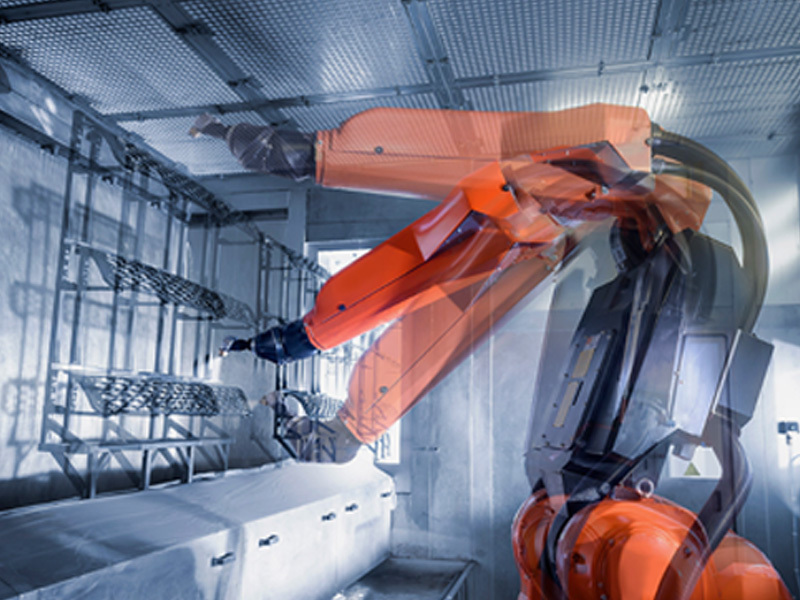
At the heart of painting robots are sophisticated robotic arms capable of intricate movements. These arms are designed with high precision motion control systems that allow for exact positioning, ensuring that every stroke is executed flawlessly.
2. Advanced Spray Technology
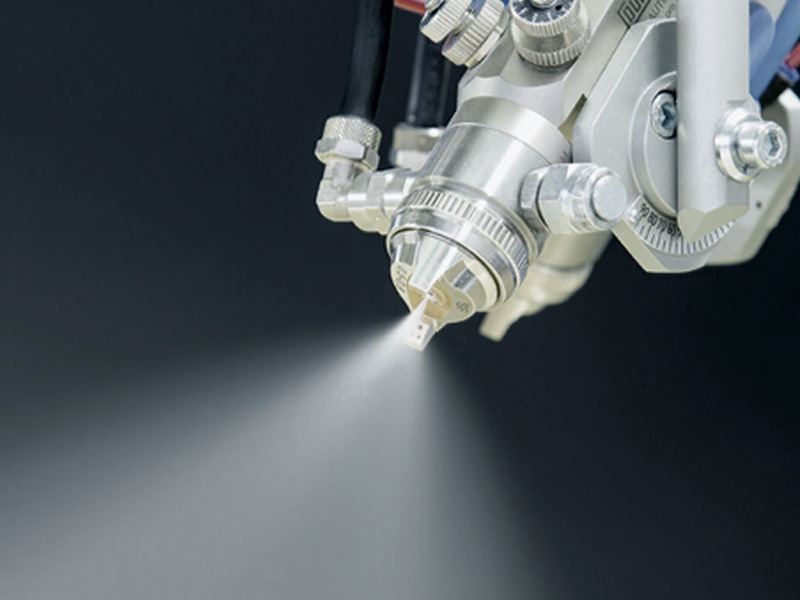
Painting robots utilize advanced spray technology that optimizes the application of paint. Systems such as electrostatic spray help in achieving a fine mist that adheres more effectively to surfaces, reducing waste and enhancing coverage.
3. Integration with Industry 4.0
Many modern painting robots are designed to operate within the framework of Industry 4.0, allowing for seamless integration with other automated systems. Real-time data analytics, IoT connectivity, and machine learning capabilities are employed to enhance performance and efficiency.
Applications of Painting Robots Across Industries
Painting robots find applications across various sectors, showcasing their versatility.
1. Automotive Industry
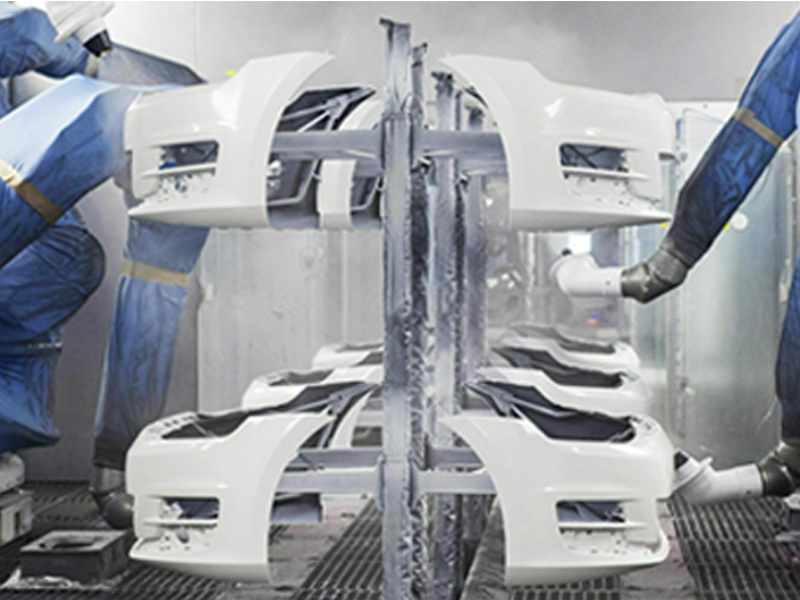
In the automotive sector, painting robots are essential for applying high-quality finishes to vehicles. Their speed and precision help manufacturers meet tight deadlines while ensuring a flawless appearance.
2. Aerospace Manufacturing
The aerospace industry relies on painting robots for the application of specialized coatings that protect against environmental factors. The precision of robotic systems is crucial in maintaining the structural integrity and aesthetics of aircraft.
3. Furniture and Woodworking
In furniture manufacturing, painting robots streamline the finishing process, allowing for consistent application of stains and varnishes across various products, from cabinets to upholstery.
4. Electronics Manufacturing
Painting robots are also used in the electronics sector for coating circuit boards and other components. The ability to apply coatings uniformly ensures optimal protection against corrosion and wear.
Challenges in Implementing Painting Robots
Despite the advantages, several challenges exist when integrating painting robots into manufacturing processes.
1. Initial Investment Costs
The upfront costs associated with purchasing and installing painting robots can be substantial. This can be a deterrent for smaller manufacturers who may not have the capital to invest.
2. Technical Complexity
The programming and maintenance of painting robots require specialized skills. Training personnel to operate and troubleshoot these systems can be time-consuming and costly.
3. Limited Flexibility for Small Batches
While painting robots excel in high-volume production, they may not be as efficient for smaller batches where setup times can be disproportionately high.
4. Space Requirements
The physical footprint of painting robots and their associated equipment can be significant, posing challenges for manufacturers with limited space.
The Future of Painting Robots in Manufacturing
Looking ahead, the role of painting robots in manufacturing is set to expand further. Innovations in artificial intelligence and machine learning will enhance their capabilities, allowing for smarter decision-making processes. Furthermore, as sustainability becomes increasingly important, painting robots that minimize waste and utilize eco-friendly materials will lead the charge in green manufacturing practices.
Frequently Asked Questions
1. How do painting robots improve efficiency in manufacturing?
Painting robots work continuously without breaks, significantly speeding up the application process and reducing production time.
2. What types of industries benefit from painting robots?
Industries such as automotive, aerospace, electronics, and furniture manufacturing utilize painting robots for their efficiency and precision.
3. Are painting robots safe for workers?
Yes, by automating the painting process, exposure to hazardous materials and fumes is minimized, creating a safer working environment.
4. How much does it cost to implement painting robots?
The initial investment can vary widely based on the complexity of the systems, but long-term savings in labor and material costs often justify the expense.
5. Can painting robots handle different types of paints?
Yes, most painting robots are versatile and can be programmed to handle various types of paints and coatings, depending on the application requirements.
Conclusion
The rise of painting robots represents a pivotal shift in the manufacturing sector, enhancing efficiency, quality, and safety. As technology continues to advance, these machines will play an increasingly integral role in shaping the future of industrial painting. Embracing painting robots not only streamlines production but also positions manufacturers to thrive in a highly competitive market, paving the way for a new era of innovation in manufacturing practices.
Related articles

Building 1, Xiaweishui Industrial Zone, Bao'an District, Shenzhen, China


