


Enhancing Efficiency: The Role of Coating Robots in Modern Manufacturing
Release time:
2024-10-18
Coating robots are transforming the manufacturing landscape by enhancing efficiency, consistency, and safety across various industries. Their ability to automate the coating process significantly reduces human error and waste, leading to higher quality products and improved operational performance

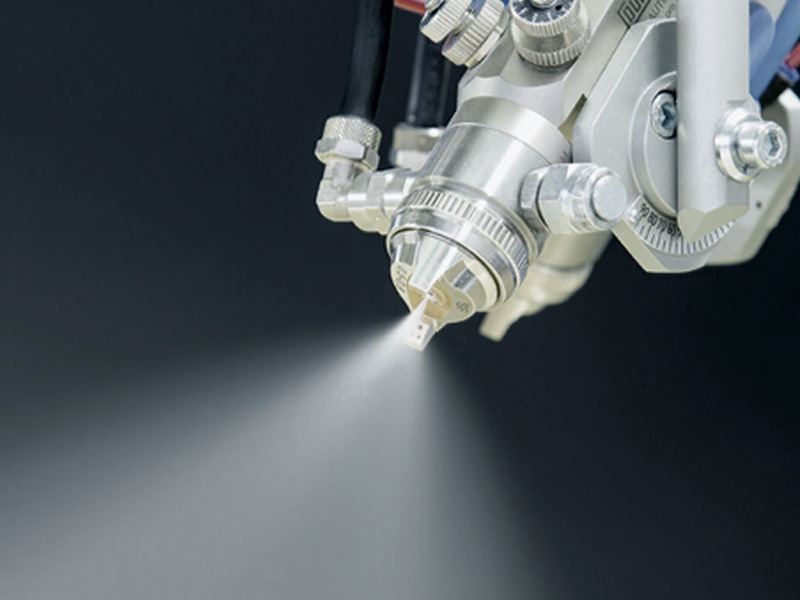
Coating robots are specialized machines designed to apply various materials—such as paint, powder, or liquid coatings—onto surfaces with high precision. These robots utilize advanced programming and sensor technology to ensure accurate application, reducing waste and improving quality.
Types of Coating Robots
Several types of coating robots exist, each tailored to specific industrial needs:
Articulated Robots
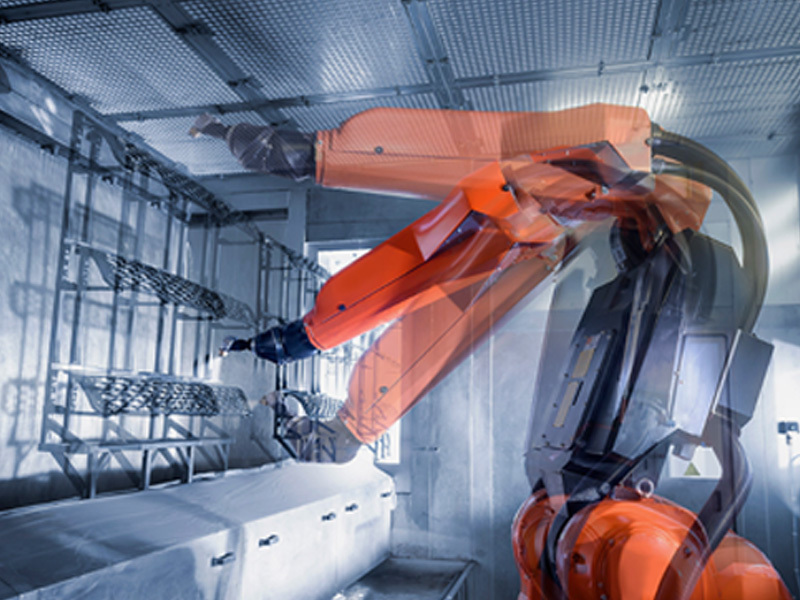
Articulated robots feature multiple joints and can maneuver in various directions, making them ideal for complex coating tasks. They are used extensively in automotive and general manufacturing.
SCARA Robots
Selective Compliant Articulated Robot Arm (SCARA) robots excel in horizontal movements and are commonly used for applications requiring speed and precision, such as electronics assembly.
Delta Robots
Delta robots, known for their speed and agility, are often utilized in high-speed applications, including packaging and sorting, where rapid coating processes are essential.
Benefits of Using Coating Robots in Manufacturing
The integration of coating robots into manufacturing processes presents numerous advantages. Below are key benefits that highlight their potential to enhance operational efficiency:
1. Efficiency and Speed in Production
One of the primary advantages of coating robots is their ability to **improve production speed**. Automated systems can operate continuously, reducing downtime and increasing throughput. For instance, while manual painting might require additional time for setup and application, robots can swiftly cover surfaces with minimal intervention.
2. Consistency and Quality Control
Coating robots ensure consistent application across products, eliminating human error and variability. This consistency is crucial in industries where precise specifications are paramount, such as aerospace and automotive. By maintaining uniformity in coating thickness and finish, manufacturers can enhance overall product quality.
3. Enhanced Safety Measures
Implementing coating robots significantly improves workplace safety. By automating hazardous tasks, such as spray painting, manufacturers can minimize worker exposure to harmful fumes and chemicals. Coating robots operate within enclosed systems, enhancing safety protocols in manufacturing environments.
Applications of Coating Robots Across Industries
Coating robots find applications in various sectors, each benefiting from their unique capabilities. Below are some notable industries utilizing coating robots effectively:
1. Automotive Industry
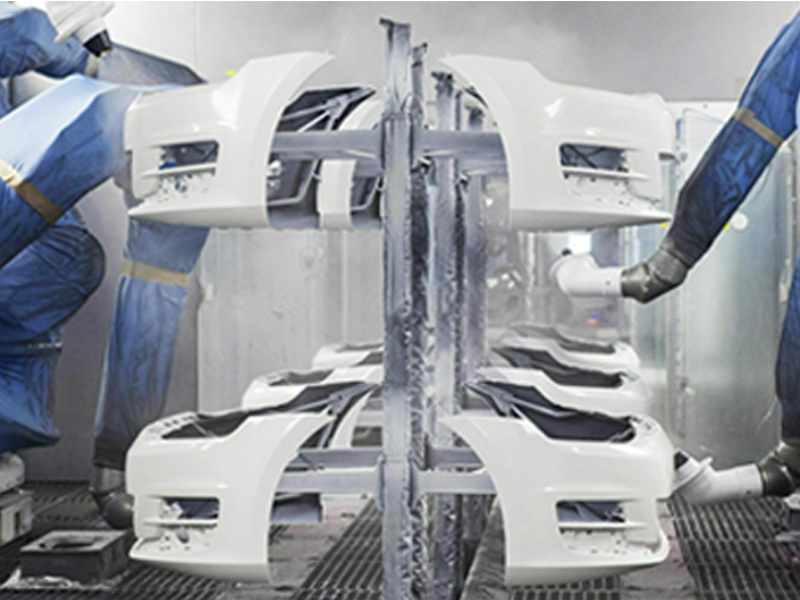
In the automotive sector, coating robots are essential for applying paints, primers, and protective coatings. They ensure even coverage and durability while reducing waste. As automotive designs become more intricate, the flexibility and precision of coating robots become increasingly valuable.
2. Electronics Manufacturing
Electronics manufacturers utilize coating robots to apply coatings on circuit boards and components. These robots provide careful application of conformal coatings, protecting sensitive electronics from moisture and contaminants. Their ability to deliver precise measurements enhances product reliability.
3. Aerospace Sector
The aerospace industry demands the highest standards for surface coatings, both for functionality and aesthetics. Coating robots play a critical role in applying coatings to aircraft components, ensuring durability and compliance with strict regulatory standards. Their precision helps maintain the integrity of aircraft structures.
Future Trends in Coating Robotics
As technology continues to advance, coating robots will evolve to meet the changing demands of the manufacturing landscape. Future trends may include:
Integration with Artificial Intelligence
The incorporation of AI can enhance the adaptability of coating robots, enabling them to learn from past applications and optimize processes autonomously. This adaptability could lead to improved efficiency and reduced error rates.
Collaborative Robotics
Collaborative robots, or cobots, designed to work alongside humans, are gaining traction in manufacturing. These robots can assist workers in coating tasks, allowing for a blend of automation and human oversight, increasing overall productivity.
Implementing Coating Robots: Key Considerations
When considering the adoption of coating robots, several factors must be evaluated to ensure successful implementation.
1. Cost Analysis and ROI
Understanding the financial implications of integrating coating robots is crucial. A thorough cost analysis should include initial investment, maintenance costs, and potential savings in labor and material waste. Manufacturers should assess the **return on investment (ROI)** from increased efficiency and reduced error rates.
2. Training and Skill Development
As with any advanced technology, proper training for operators and maintenance staff is essential. Organizations must invest in training programs to ensure that employees can effectively operate and maintain coating robots, maximizing their potential benefits.
Challenges in Adopting Coating Robots
While the benefits of coating robots are substantial, manufacturers may face challenges in their adoption:
Initial Investment Costs
The upfront costs of acquiring and installing coating robots can be significant. Companies must weigh these costs against potential long-term savings and increased efficiency.
Integration with Existing Systems
Integrating coating robots into existing manufacturing processes may require adjustments to workflows and systems. A thorough analysis of current operations is necessary to ensure compatibility and optimize performance.
Conclusion
Coating robots are transforming the manufacturing landscape by enhancing efficiency, consistency, and safety across various industries. Their ability to automate the coating process significantly reduces human error and waste, leading to higher quality products and improved operational performance. As manufacturers look toward the future, the integration of advanced technologies like AI and collaborative robotics promises to further optimize these systems. By understanding the benefits and challenges of coating robots, businesses can make informed decisions that position them for success in an increasingly competitive market.
Related articles

Building 1, Xiaweishui Industrial Zone, Bao'an District, Shenzhen, China


