


Revolutionizing Surface Coating: The Rise of Automatic Painting Robots
Release time:
2024-10-19
The emergence of automatic painting robots marks a significant shift in the industrial equipment and components sector, particularly in spray painting applications

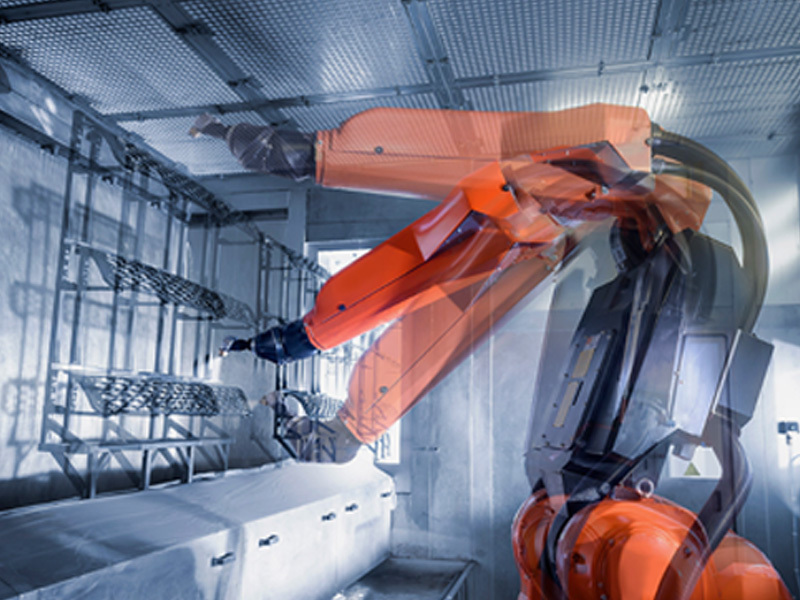
The integration of technology in industrial processes has paved the way for significant advancements in various sectors, and one such innovation is the automatic painting robot. These sophisticated machines are designed to perform painting tasks with remarkable precision and efficiency, making them an invaluable asset in the manufacturing and surface finishing industries.
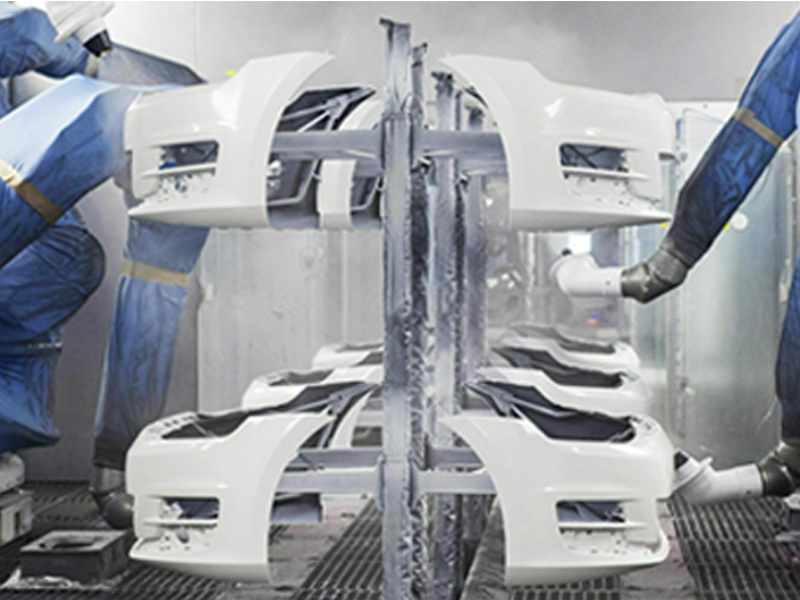
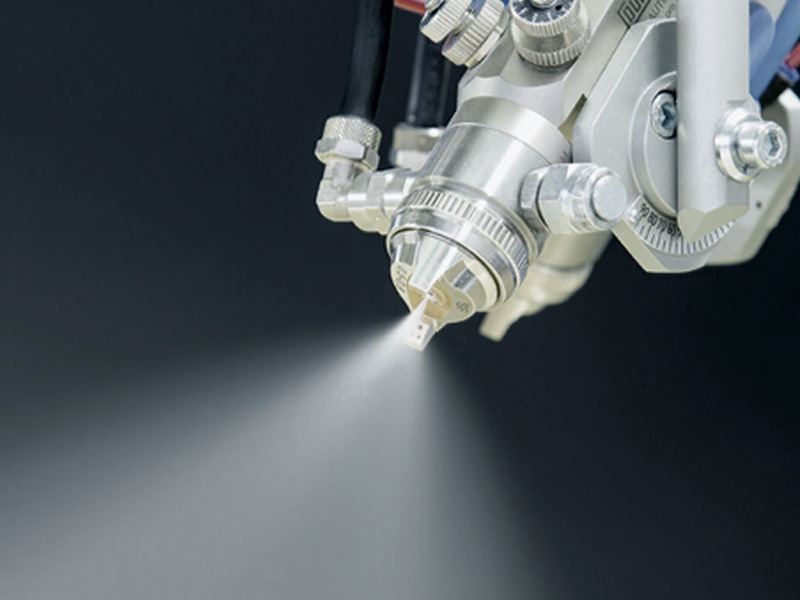
Automatic painting robots operate by utilizing advanced algorithms and sensors to determine the optimal painting techniques for different surfaces. Whether it's applying a smooth coat of paint to a vehicle or finishing machinery components, these robots ensure a uniform application, drastically reducing the chances of human error. They are equipped with features such as adjustable spray patterns and automatic color changes, allowing for versatility in various painting applications.
One major advantage of employing automatic painting robots is the substantial increase in productivity. Unlike manual painting, which can be time-consuming and labor-intensive, these robots can work continuously, significantly speeding up the painting process. This efficiency not only helps companies meet tight production deadlines but also allows them to allocate human resources to other critical tasks that require creativity and decision-making.
Moreover, automatic painting robots contribute to a safer working environment. Painting can involve exposure to hazardous chemicals and fumes, posing health risks to workers. By automating the painting process, companies can minimize human exposure to these dangers, ensuring a healthier workplace. Additionally, robots can operate in environments that may not be suitable for human workers, such as extreme temperatures or hazardous locations.
The consistent quality achieved through automatic painting robots is another important factor. These machines are programmed to maintain specific parameters, allowing for repeatable results that meet high-quality standards. This consistency is particularly vital in industries such as automotive manufacturing, where aesthetic quality plays a critical role in customer satisfaction.
Furthermore, the technology behind automatic painting robots is continuously evolving. Innovations in artificial intelligence (AI) and machine learning are leading to smarter robots that can adapt to changing conditions and learn from previous operations. This adaptability means that they can optimize their painting techniques over time, improving efficiency and output quality.
The emergence of automatic painting robots marks a significant shift in the industrial equipment and components sector, particularly in spray painting applications. By enhancing productivity, ensuring safety, and delivering consistent quality, these robots are setting new standards in the surface coating industry. As technology progresses, the potential for even greater advancements in automatic painting will likely continue, reshaping how industries approach their painting needs. Embracing this innovation can lead to transformative benefits for manufacturers looking to stay competitive in a fast-paced market.
Related articles

Building 1, Xiaweishui Industrial Zone, Bao'an District, Shenzhen, China


