


Understanding the Cost Savings of Paint Spray Robots: Maximizing Efficiency and Profitability
Release time:
2024-11-27
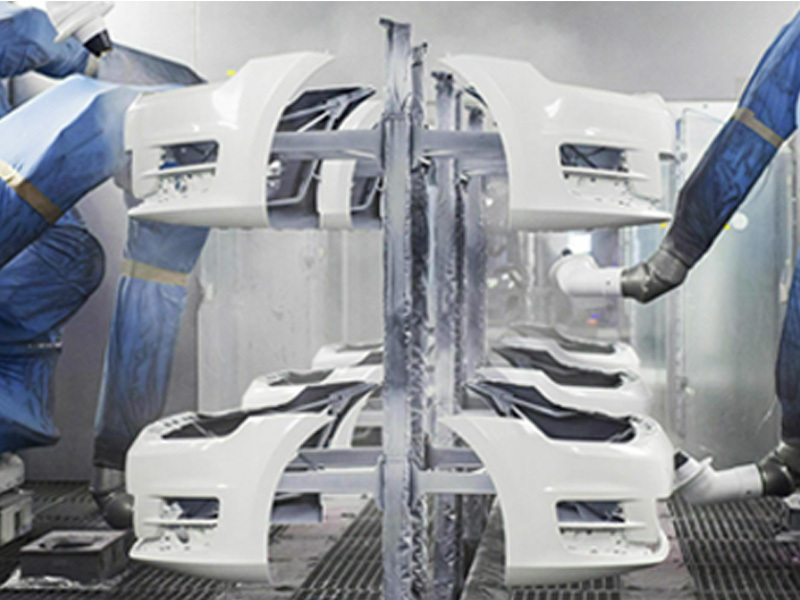
Paint spray robots eliminate the variability associated with human application, ensuring every product receives the same level of attention and quality

In the ever-evolving world of industrial manufacturing, paint spray robots have emerged as a pivotal solution for businesses aiming to optimize their coating operations. These sophisticated machines are designed to enhance efficiency, reduce costs, and improve overall product quality. By automating the painting process, companies can achieve results that manual methods simply cannot match. In this article, we will explore the various dimensions of cost savings associated with paint spray robots, delving into their benefits, application methods, and the return on investment (ROI) they offer.
The Growing Demand for Automation in Paint Applications
As industries strive for greater efficiency and accuracy, the demand for automation, particularly in paint applications, has surged. Factors driving this trend include:
1. Increasing Labor Costs
The global labor market is witnessing rising wages, making manual painting methods less economically viable. This situation pushes manufacturers to seek alternatives that minimize labor costs without compromising quality.
2. Quality Consistency
Achieving uniform paint application is crucial for many industries, such as automotive, aerospace, and electronics. Paint spray robots eliminate the variability associated with human application, ensuring every product receives the same level of attention and quality.
3. Environmental Regulations
With stricter environmental policies governing the use of volatile organic compounds (VOCs) and hazardous materials, the need for efficient, eco-friendly painting solutions has never been greater. Paint spray robots utilize advanced technologies that significantly reduce paint waste and emissions.
How Paint Spray Robots Work
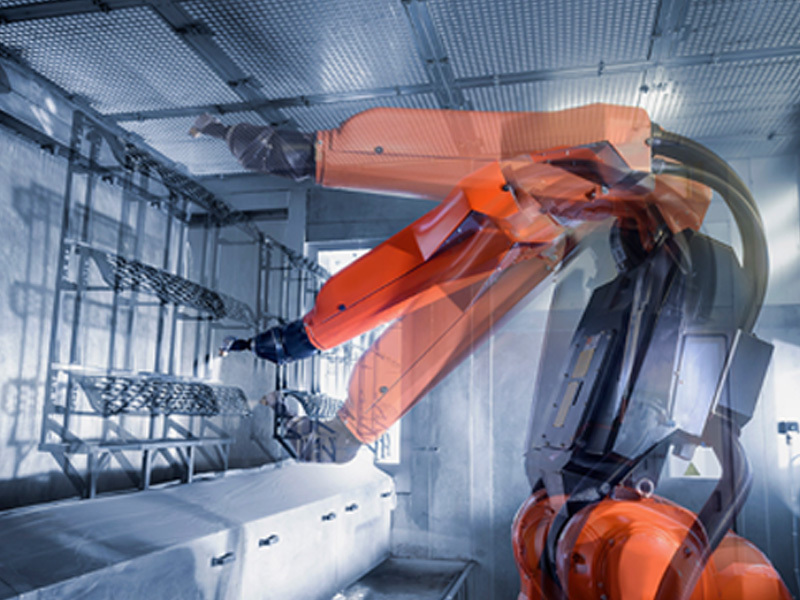
Paint spray robots operate through a combination of mechanical precision and computer programming to deliver high-quality finishes. Understanding their functionality can shed light on the cost savings they offer.
1. Automated Programming
Robots are programmed to follow specific patterns and settings, allowing for rapid adjustments based on the product being painted. This capability minimizes the setup time and ensures that each application is executed flawlessly.
2. Advanced Spray Technologies
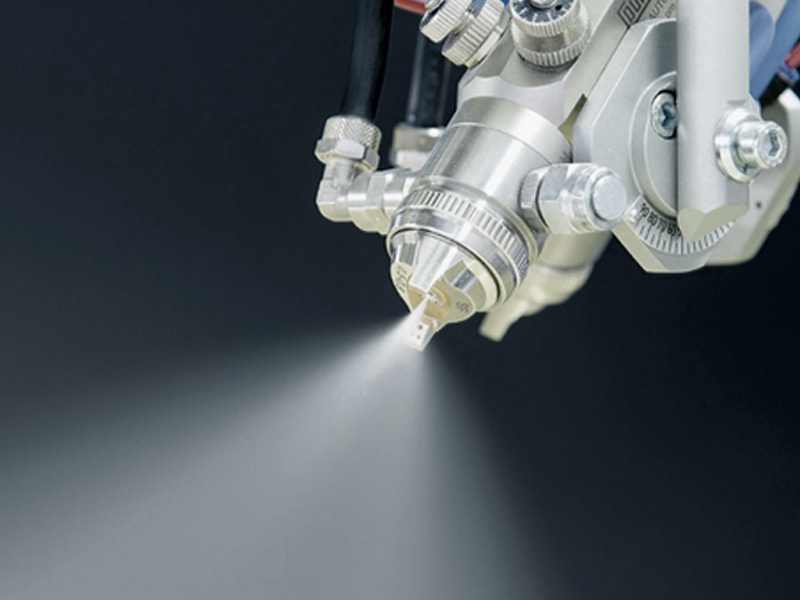
Most modern paint spray robots employ technologies such as electrostatic spray and airless spray, which maximize paint transfer efficiency. This not only reduces the amount of paint used but also enhances the finish quality.
Cost Savings Associated with Paint Spray Robots
The adoption of paint spray robots can lead to significant cost savings across various business aspects. Below, we outline several key areas where these robots create financial benefits:
1. Labor Cost Reduction
One of the most immediate financial benefits of using paint spray robots is the reduction in labor costs. With robots handling the painting process, companies can reduce their workforce or reallocate labor to other critical tasks. This shift not only saves money on salaries but also minimizes the costs associated with training and managing a larger workforce.
2. Decreased Material Waste
Paint application processes can be notoriously wasteful, particularly when performed manually. Paint spray robots offer improved efficiency, resulting in:
- Less overspray
- More effective paint transfer
- Reduced need for touch-ups
By maximizing paint utilization and minimizing waste, companies can significantly cut material costs.
3. Enhanced Production Speed
Paint spray robots excel in delivering high-speed applications, allowing for greater throughput and reduced cycle times. This increased efficiency translates into:
- Faster project completion
- More products finished in a shorter timeframe
- Ability to take on more jobs, increasing revenue potential
4. Lower Maintenance Costs
Modern paint spray robots are designed for durability and require minimal maintenance. This reliability leads to fewer breakdowns and lower repair costs, ensuring that production remains uninterrupted.
Evaluating the Return on Investment (ROI)
When considering the implementation of paint spray robots, it is essential to evaluate the return on investment thoroughly. Companies can assess ROI through the following factors:
1. Initial Investment vs. Long-Term Savings
While the upfront cost of paint spray robots can be substantial, the long-term savings in labor, materials, and maintenance often outweigh this initial outlay. A comprehensive cost-benefit analysis can help businesses determine their ROI over time.
2. Increased Market Competitiveness
Investing in cutting-edge technology such as paint spray robots elevates a company's market position. By improving quality and efficiency, businesses can attract more customers, enhance their reputation, and ultimately drive revenue growth.
3. Case Studies and Success Stories
Many businesses have successfully integrated paint spray robots into their operations, reaping substantial benefits. For instance, a leading automotive manufacturer reported a 30% reduction in paint material costs after implementing robotic systems, alongside a 25% increase in production speed.
Challenges to Consider When Implementing Paint Spray Robots
While the benefits of paint spray robots are compelling, companies must also be aware of potential challenges:
1. Initial Setup and Integration Costs
The installation of paint spray robots can require significant capital investment and may involve changes to existing production lines. Businesses must allocate budget and resources for smooth integration.
2. Technical Expertise and Training
Successfully operating paint spray robots requires a skilled workforce knowledgeable in robotics and automation. Companies may need to invest in training programs to develop these competencies.
Future Trends in Paint Spray Robotics
As technology continues to advance, the future of paint spray robotics looks promising. Some emerging trends include:
1. Artificial Intelligence (AI) Integration
The incorporation of AI into paint spray robots is set to revolutionize the painting process. AI can analyze real-time data, optimize spray patterns, and adjust settings dynamically, leading to even greater efficiency and quality.
2. Collaborative Robots (Cobots)
The rise of collaborative robots that work alongside human operators is another trend. These cobots can perform repetitive tasks, allowing human workers to focus on more complex jobs, ultimately improving overall productivity.
The integration of paint spray robots into industrial processes presents an opportunity for substantial cost savings and efficiency gains. By understanding the mechanics behind these machines and evaluating their economic benefits, companies can make informed decisions about their adoption. From reducing labor costs and material waste to enhancing production speed, paint spray robots are a vital investment for businesses looking to thrive in a competitive market. As technology advances, the potential for further improvements in efficiency and cost savings will only continue to grow, making now the ideal time to consider the transition to robotic painting solutions.
Related articles

Building 1, Xiaweishui Industrial Zone, Bao'an District, Shenzhen, China


