


Paint Robots and Sustainability: How They Contribute to Green Manufacturing
Release time:
2024-12-01
Modern explosion proof paint robots are equipped with sophisticated sensors that monitor environmental conditions and adjust their operations accordingly. This capability ensures optimal performance in varying conditions and further reduces material waste

1. Introduction to Paint Robots and Sustainability
In the ever-evolving landscape of manufacturing, sustainability has emerged as a critical focus. As industries strive to minimize their environmental impact, Explosion proof paint robots have become essential players in promoting green manufacturing practices. This article delves into how paint robots not only enhance production efficiency but also contribute significantly to sustainable practices, ensuring that companies can meet both economic and environmental objectives.
2. What Are Paint Robots?
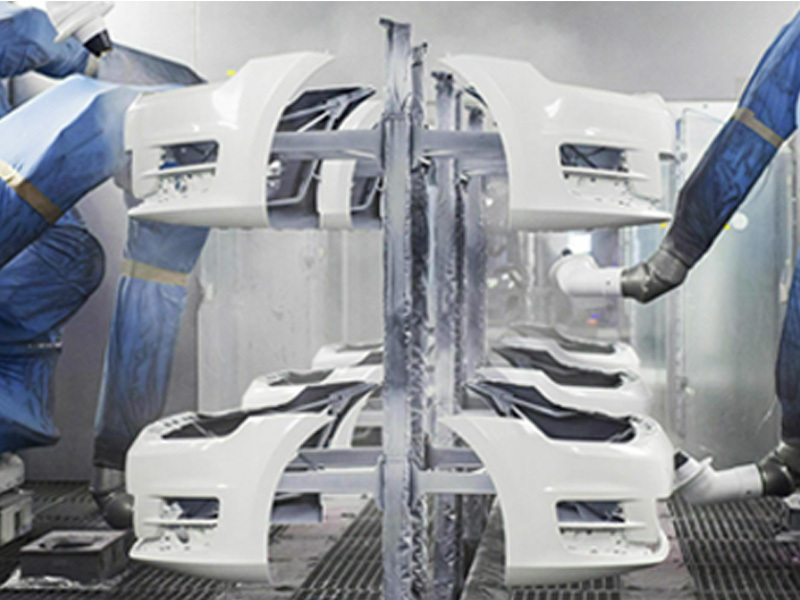
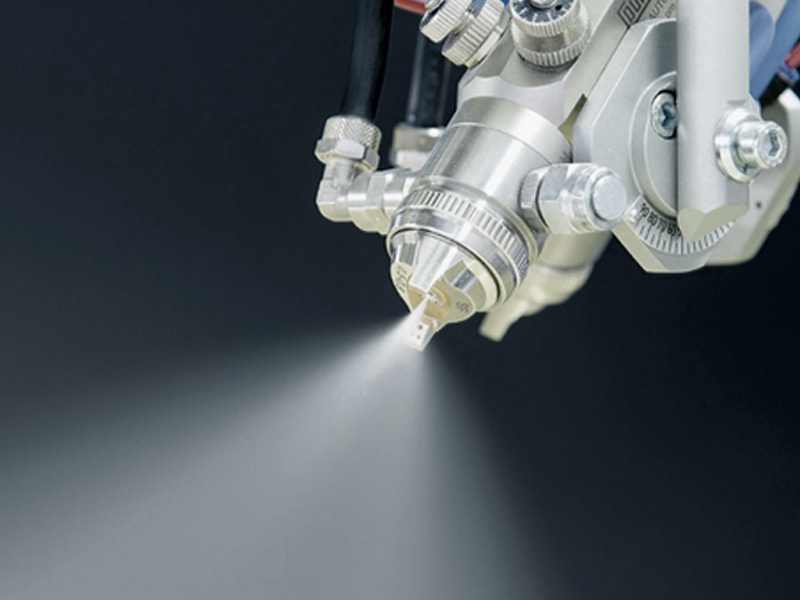
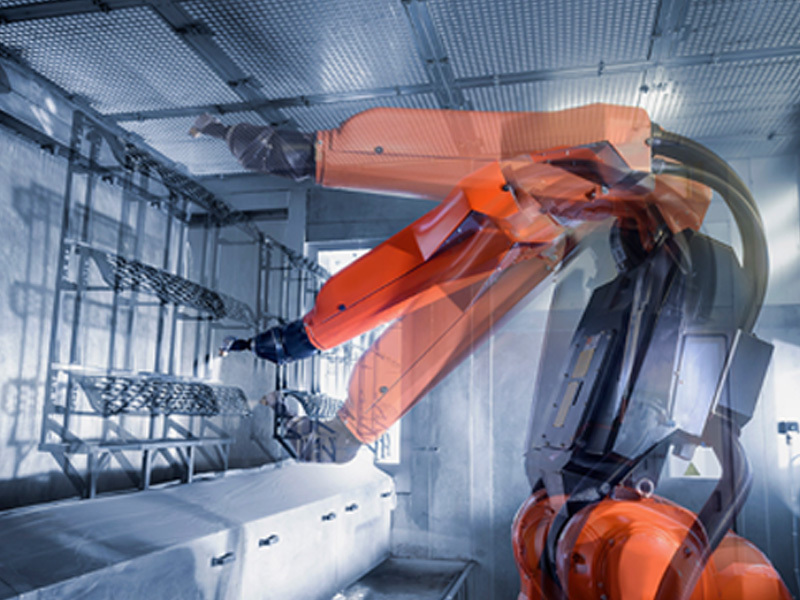
Paint robots are automated systems designed to apply paint or other coatings onto surfaces efficiently and consistently. These robots utilize advanced algorithms and sensors to ensure precision in coating applications, minimizing overspray and waste. Unlike traditional hand-painting methods, explosion-proof paint robots deliver uniform results, resulting in a high-quality finish while reducing material consumption.
Benefits of Using Paint Robots
- Increased Efficiency: Paint robots can operate continuously, reducing the time required for painting tasks significantly.
- Consistency and Quality: They provide a consistent finish, eliminating variations that often occur with manual application.
- Reduced Labor Costs: By automating the painting process, companies can save on labor costs and focus their workforce on more strategic tasks.
3. The Role of Paint Robots in Manufacturing
In manufacturing settings, paint robots are utilized in various industries, including automotive, aerospace, and furniture production. They play a crucial role in enhancing productivity while maintaining high standards of quality and environmental compliance. These robots can be easily integrated into existing production lines, allowing for seamless transitions to automated systems.
Integration with Production Lines
Explosion proof Paint robots can be tailored to fit specific manufacturing needs. They can work alongside other automated systems, ensuring that the entire production process is streamlined. This integration helps manufacturers achieve their sustainability goals by reducing energy consumption and waste.
4. Sustainability in Manufacturing: A Growing Concern
As global awareness of environmental issues increases, manufacturers are under pressure to adopt sustainable practices. This includes reducing carbon footprints, utilizing eco-friendly materials, and minimizing waste. Sustainable manufacturing practices not only benefit the environment but also enhance a company's brand reputation, making it more appealing to eco-conscious consumers.
Key Sustainability Goals
- Reduction of Waste: Implementing practices that minimize excess materials and by-products.
- Energy Efficiency: Utilizing technologies that lower energy consumption during the production process.
- Use of Eco-Friendly Materials: Sourcing sustainable materials to reduce environmental impact.
5. How Paint Robots Contribute to Sustainability
Paint robots contribute to sustainability in multiple ways, from reducing material waste to minimizing the environmental impact of manufacturing processes. Below are some key contributions:
Reduction of Material Waste
Paint robots are engineered to apply coatings with remarkable precision, significantly decreasing overspray and waste. Traditional painting methods often result in substantial amounts of excess paint, which can lead to increased disposal costs and environmental harm. By contrast, paint robots optimize material usage, ensuring that only what is necessary is applied.
Enhanced Energy Efficiency
Modern explosion proof paint robots are designed to be energy-efficient. Many come equipped with smart technology that enables them to adjust their energy consumption based on production needs. This adaptability not only reduces the overall energy footprint of manufacturing processes but also contributes to lower operational costs.
Utilization of Eco-Friendly Coatings
The rise of eco-friendly paint options has coincided with advancements in paint robot technology. These robots can efficiently apply water-based or low-VOC (volatile organic compound) paints, which are less harmful to the environment compared to traditional solvents. This shift not only ensures compliance with environmental regulations but also promotes healthier work environments.
6. Technological Advancements in Paint Robotics
The field of paint robotics has seen rapid technological advancements that enhance their performance and sustainability contributions. Key developments include:
Artificial Intelligence and Machine Learning
Integrating AI and machine learning into paint robots allows for real-time adjustments during the painting process. These technologies enable robots to learn from previous jobs, optimizing parameters such as speed, pressure, and paint flow, ultimately improving efficiency and reducing waste.
Advanced Sensor Technology
Modern explosion proof paint robots are equipped with sophisticated sensors that monitor environmental conditions and adjust their operations accordingly. This capability ensures optimal performance in varying conditions and further reduces material waste.
7. Cost Benefits of Implementing Paint Robots
Investing in paint robots can yield substantial cost savings for manufacturing companies. Here are several financial advantages:
Lower Operational Costs
By minimizing material waste and energy consumption, paint robots contribute to lower operational costs. The initial investment in robotics technology can often be recouped quickly through savings on materials and labor.
Increased Production Rates
Paint robots enable manufacturers to increase their production rates without compromising quality. This boosts overall profitability and can lead to improved market competitiveness.
8. Case Studies: Successful Implementation of Paint Robots
Various industries have successfully implemented explosion proof paint robots, showcasing significant improvements in sustainability and efficiency. Below are a couple of notable examples:
Automotive Industry Example
A leading automotive manufacturer integrated paint robots into their production line, resulting in a 30% reduction in paint waste and a 20% decrease in energy consumption. This shift not only enhanced their sustainability profile but also improved their bottom line.
Furniture Manufacturing Example
A furniture manufacturer adopted paint robots to apply eco-friendly finishes. The result was a 40% reduction in overspray and a significant improvement in air quality within their production facility.
9. The Future of Paint Robots in Sustainable Manufacturing
The future of paint robots in sustainable manufacturing looks promising. As technology continues to evolve, we can expect even greater efficiencies and sustainability contributions from these automated systems. Innovations such as improved AI algorithms, enhanced materials, and advanced robotics will likely further reduce waste and energy consumption.
Potential Developments
- Greater Customization Options: Future paint robots may offer more customization features to accommodate specific manufacturing needs and eco-friendly materials.
- Collaborative Robotics: The rise of collaborative robots (cobots) in manufacturing may allow for more flexible and adaptable painting systems, further enhancing sustainability efforts.
10. Conclusion
Explosion proof paint robots play a pivotal role in advancing sustainability within the manufacturing sector. By reducing material waste, enhancing energy efficiency, and utilizing eco-friendly coatings, these automated systems contribute significantly to green manufacturing practices. As industries continue to embrace these technologies, we can expect a more sustainable future in manufacturing, where quality and environmental responsibility go hand in hand.
Related articles

Building 1, Xiaweishui Industrial Zone, Bao'an District, Shenzhen, China


