


What Is the Role of Safe Coating Robots
Release time:
2024-12-22
Safe coating robots represent a significant leap forward in the realm of industrial spraying equipment

In the world of industrial equipment and components, particularly in spray painting technology, the introduction of safe coating robots marks a significant advancement. These robots are specifically designed to enhance the efficiency and safety of coating processes across various industries. Let's explore the vital features, benefits, and applications of safe coating robots to understand why they are becoming an indispensable part of modern industrial operations.
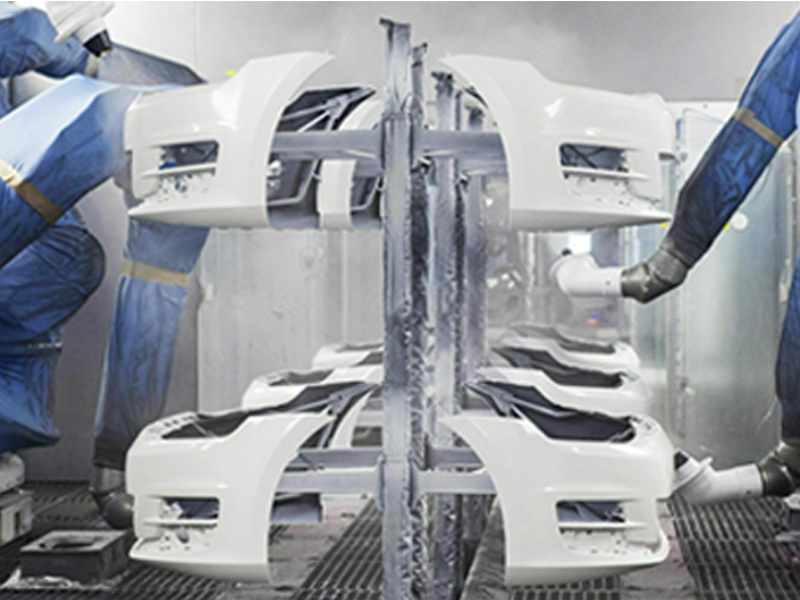
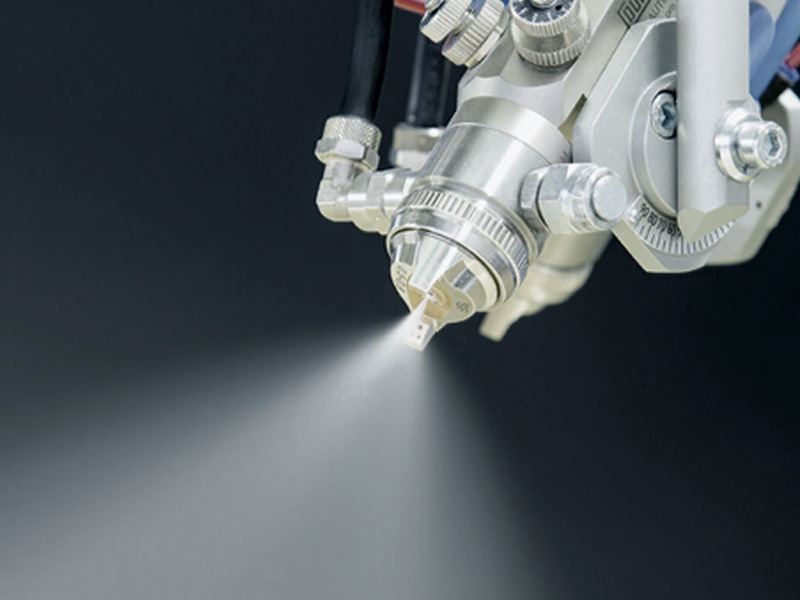
Safe coating robots are engineered to handle the intricate tasks involved in the spraying process, which traditionally required human intervention. One of the primary advantages of employing these robots is their ability to maintain a consistent quality in coating applications. Unlike manual spraying, where variations in technique can lead to inconsistencies, robots deliver uniform coverage, ensuring optimal results and reducing material wastage.
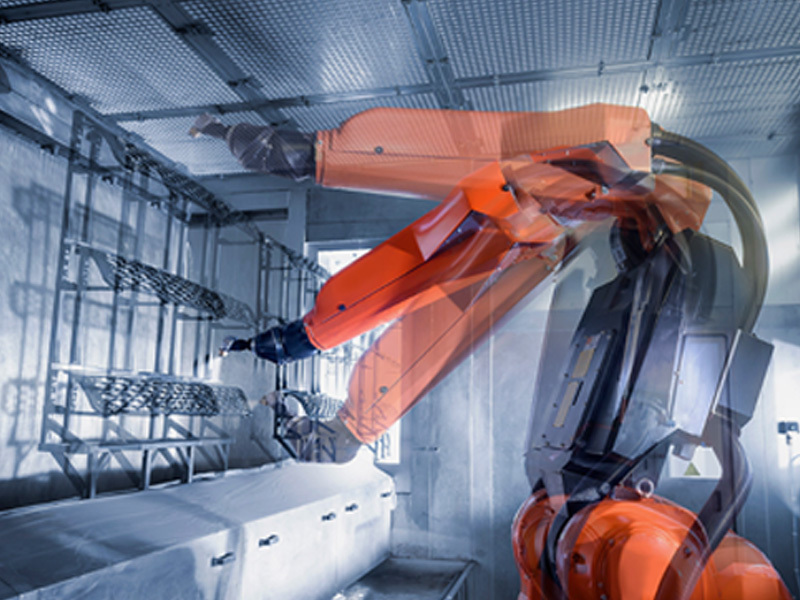
Safety is a paramount concern in industrial environments, particularly in spray painting, where exposure to harmful chemicals and volatile organic compounds (VOCs) can pose significant health risks. Safe coating robots mitigate this issue by minimizing human contact with hazardous materials. These robots can operate in controlled environments, equipped with advanced filtration systems that capture overspray and reduce airborne contaminants, thus creating a safer workplace for human operators.
Moreover, the precision of safe coating robots allows them to reach complex geometries and intricate surfaces that might be challenging for human sprayers. This capability not only enhances the quality of the coating but also expands the range of applications. Whether it's automotive parts, industrial machinery, or intricate components, safe coating robots can adapt to various requirements, making them versatile tools in the coating industry.
The implementation of safe coating robots also leads to increased productivity. These robots can operate continuously without fatigue, allowing for faster turnaround times in production cycles. As a result, companies can meet higher demand without compromising on quality. Additionally, the data collected by these robots can be analyzed to further optimize the coating process, leading to continuous improvements in efficiency and effectiveness.
Safe coating robots represent a significant leap forward in the realm of industrial spraying equipment. By enhancing safety, improving precision, and increasing productivity, these robots are set to redefine how coating processes are conducted in various sectors. As industries continue to evolve, the integration of safe coating robots will likely become a standard practice, ensuring that manufacturers can achieve their goals while prioritizing worker safety and environmental responsibility. Embracing this technology not only streamlines operations but also paves the way for a more sustainable future in industrial coating applications.
Related articles

Building 1, Xiaweishui Industrial Zone, Bao'an District, Shenzhen, China


