


The Spray Paint Production Line Delivers Efficiency and Innovation in Coating Solutions
Release time:
2024-11-18
The spray paint production line represents a dynamic intersection of technology, efficiency, and sustainability in the coating industry

In various industrial applications, the professional spray paint production line plays a crucial role in delivering high-quality coating solutions efficiently. This specialized equipment is designed to automate the painting process, ensuring consistent and even coverage on a variety of surfaces. Understanding the components and functionality of a professional spray paint production line is essential for businesses aiming to enhance their operational efficiency and product quality.
A typical professional spray paint production line consists of several key components, including mixing stations, spray booths, drying systems, and quality control areas. The process begins with the preparation of paint through mixing, where various pigments, solvents, and additives are combined to achieve the desired color and texture. This initial step is critical, as the consistency and quality of the paint directly affect the final finish.
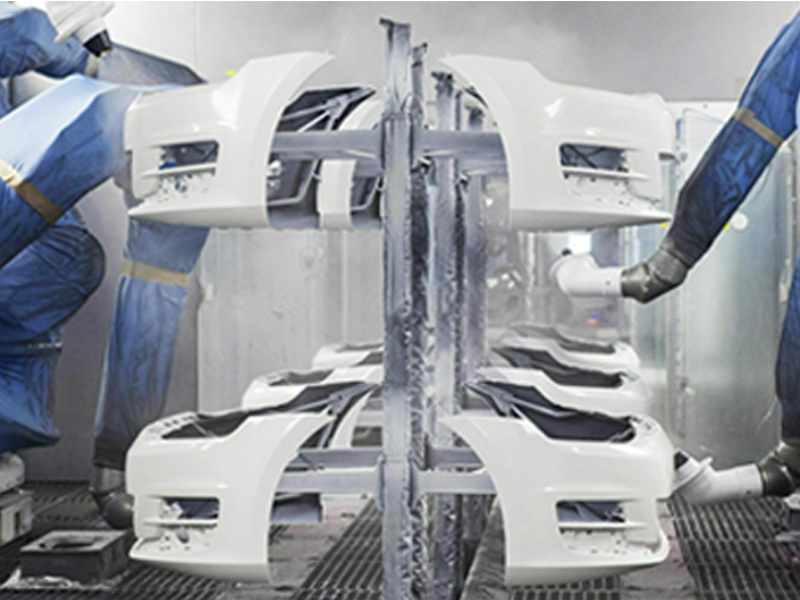
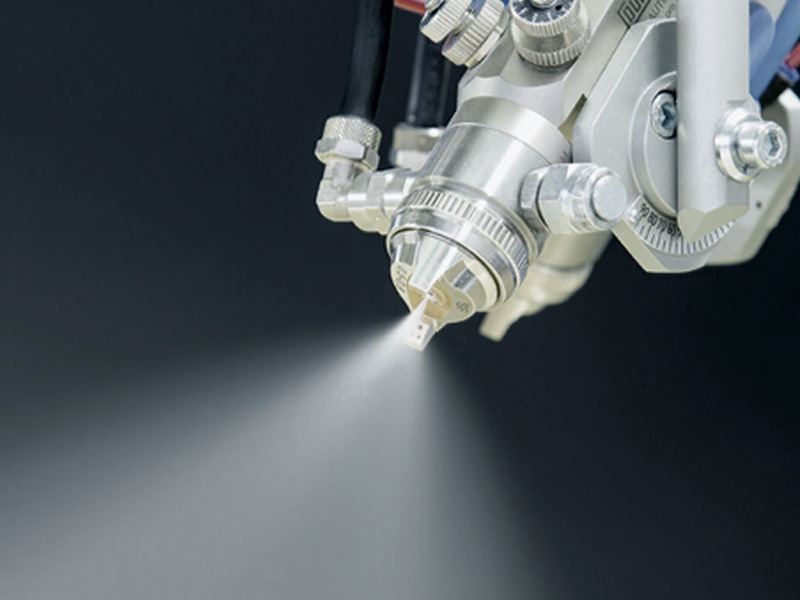
Once the paint is prepared, it is transferred to the spray booth. In this controlled environment, advanced spray guns apply the paint onto the target surface using various techniques, such as air spray, airless spray, or electrostatic spray. Each method has its advantages and is chosen based on the specific requirements of the project. For instance, electrostatic spray guns can produce an even coating with less overspray, making them ideal for intricate designs or small parts.
Following the application, the coated items move to the drying system, where they are subjected to controlled temperature and airflow. This step is vital for ensuring that the paint cures properly, resulting in a durable and aesthetically pleasing finish. Automated drying solutions help minimize cycle times and improve overall productivity, allowing businesses to meet tight production schedules.
Quality control is another essential aspect of the professional spray paint production line. Advanced monitoring systems assess the thickness, adhesion, and appearance of the coating, ensuring that each product meets stringent quality standards. By incorporating real-time data analysis, manufacturers can quickly identify and resolve any issues, reducing waste and enhancing efficiency.
In addition to these technical components, the spray paint production line also emphasizes environmental considerations. Many modern systems are designed to minimize VOC (volatile organic compounds) emissions and incorporate recycling features to reduce material waste. This commitment to sustainability not only helps companies comply with regulations but also appeals to environmentally conscious consumers.
The professional spray paint production line represents a dynamic intersection of technology, efficiency, and sustainability in the coating industry. By understanding its components and processes, businesses can leverage these systems to enhance their painting operations, reduce production costs, and improve product quality. As industries continue to evolve, investing in advanced spray paint production lines will remain a key strategy for achieving a competitive advantage in the marketplace.
Related articles


Building 1, Xiaweishui Industrial Zone, Bao'an District, Shenzhen, China


