


The Function of Paint Robot Arms in Modern Industry
Release time:
2024-12-16
In the realm of industrial equipment and components, paint robot arms have emerged as a pivotal innovation, redefining how paint application is performed across various industries

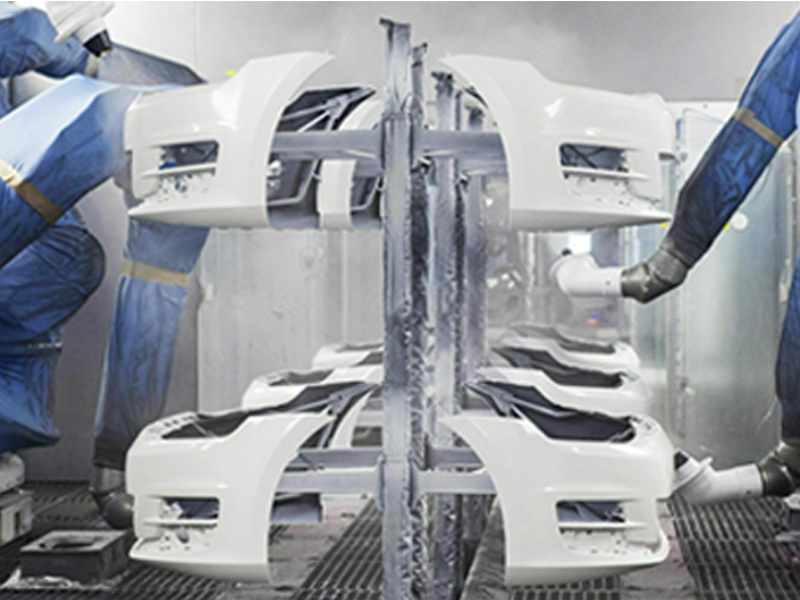
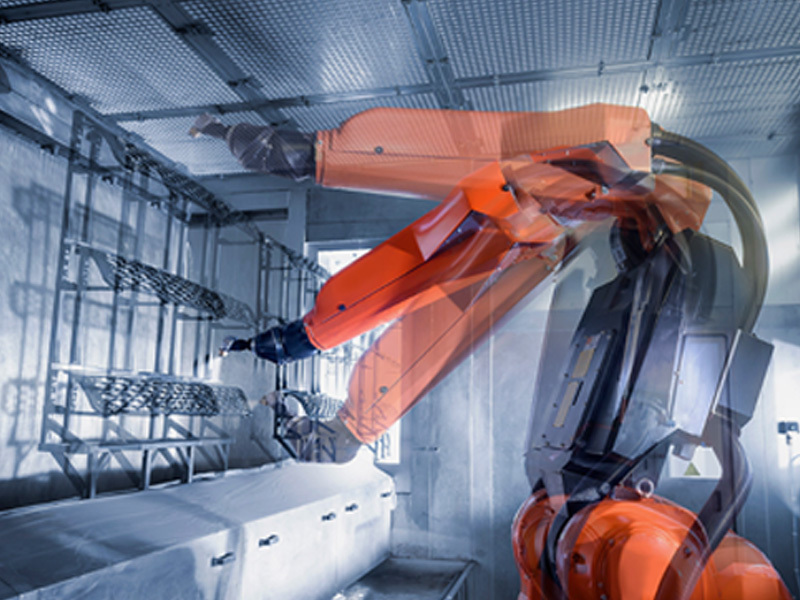
In the realm of industrial equipment and components, paint robot arms have emerged as a pivotal innovation, redefining how paint application is performed across various industries. These automated systems are designed to perform the intricate task of painting with a level of precision and consistency that is often unattainable by human operators. The integration of paint robot arms in production lines not only streamlines operations but also addresses several challenges commonly faced in manual painting processes.
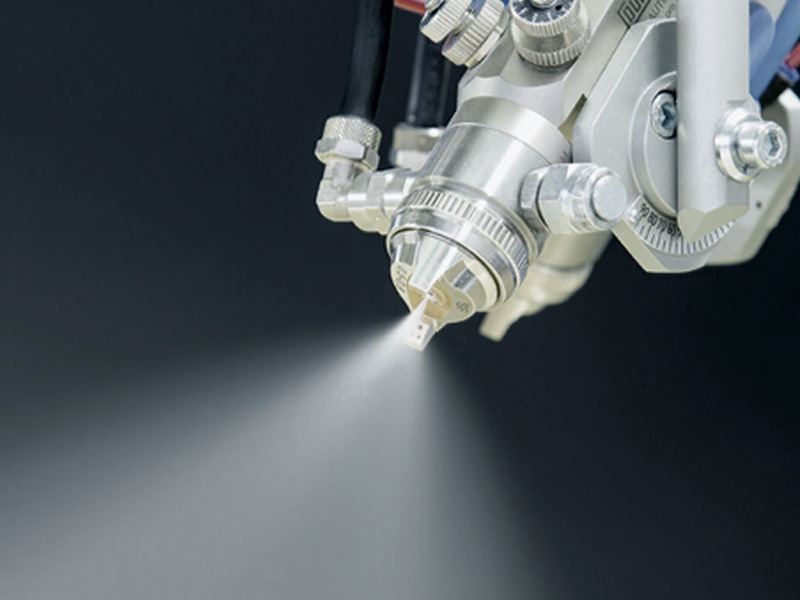
One of the primary advantages of utilizing a paint robot arm is its ability to ensure uniform paint application. Unlike human painters, who may struggle with consistency under varying conditions or fatigue, robotic arms maintain a steady pace and output. This uniformity not only enhances the aesthetic quality of the finished product but also contributes to the durability of the paint job. With the precise control that paint robot arms offer, manufacturers can reduce the likelihood of defects and rework requirements, ultimately leading to cost savings.
Moreover, painting robot arms significantly improves safety in the workplace. Traditional painting methods often expose workers to hazardous materials, including solvents and fumes. By automating the painting process, industries can minimize the risk of chemical exposure, thereby creating a safer working environment. Additionally, these robotic systems can operate in restricted spaces or handle complex shapes that may be difficult for human operators to access, further enhancing workplace safety.
Another crucial aspect of paint robot arms is their contribution to efficiency. Automated painting systems can work continuously without the need for breaks, which significantly increases production rates. This efficiency is particularly beneficial in high-demand industries where meeting tight deadlines is essential. Furthermore, the integration of advanced technologies such as artificial intelligence and machine learning enables paint robot arms to optimize their movements and painting techniques over time, resulting in improved performance and reduced material waste.
In terms of versatility, paint robot arms can be programmed to handle various types of paints and coatings, making them suitable for a wide range of applications. Whether it's automotive manufacturing, furniture finishing, or metal fabrication, these robotic arms can adapt to different materials and processes, providing manufacturers with a flexible solution for their painting needs.
In conclusion, the adoption of paint robot arms is a game-changer in the industrial painting sector. Their ability to deliver consistent quality, enhance safety, improve efficiency, and offer versatility makes them an invaluable asset for manufacturers. As industries continue to embrace automation, paint robot arms will undoubtedly play a significant role in shaping the future of paint applications, driving innovation, and setting new standards for quality in manufacturing.
Related articles

Building 1, Xiaweishui Industrial Zone, Bao'an District, Shenzhen, China


