


Spray Painting Lines Is a Key Component in Industrial Painting Processes
Release time:
2024-11-12
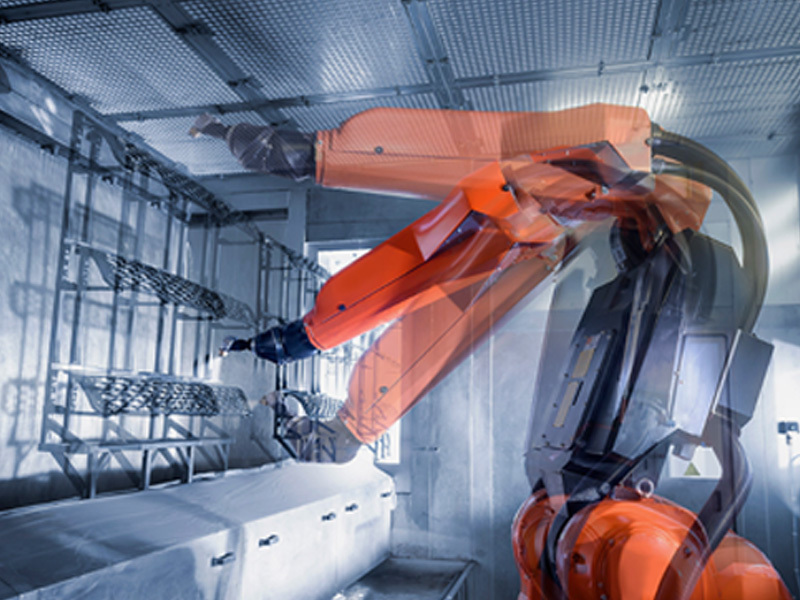
Spray painting lines are essential systems used in various industrial settings for the efficient application of paint and coatings to products. These lines are designed to facilitate the automated process of spray painting, significantly improving productivity and consistency compared to manual methods. At the heart of a spray painting line is a series of interconnected components that work togeth

Energy saving Spray painting lines are essential systems used in various industrial settings for the efficient application of paint and coatings to products. These lines are designed to facilitate the automated process of spray painting, significantly improving productivity and consistency compared to manual methods.
At the heart of a spray painting line is a series of interconnected components that work together to ensure seamless operation. Typically, the process begins with surface preparation, where items are cleaned and prepped for coating. This step is crucial as it ensures optimal adhesion of the paint to the surface, leading to a better-quality finish.
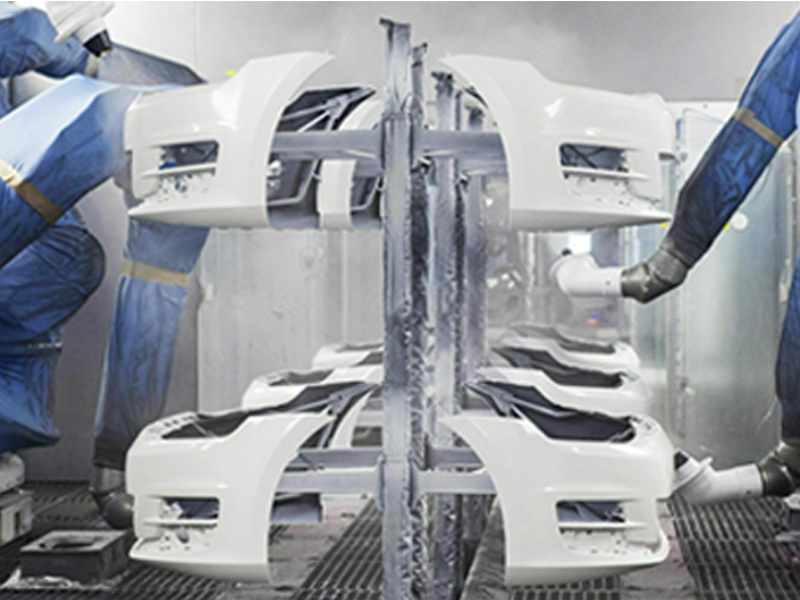
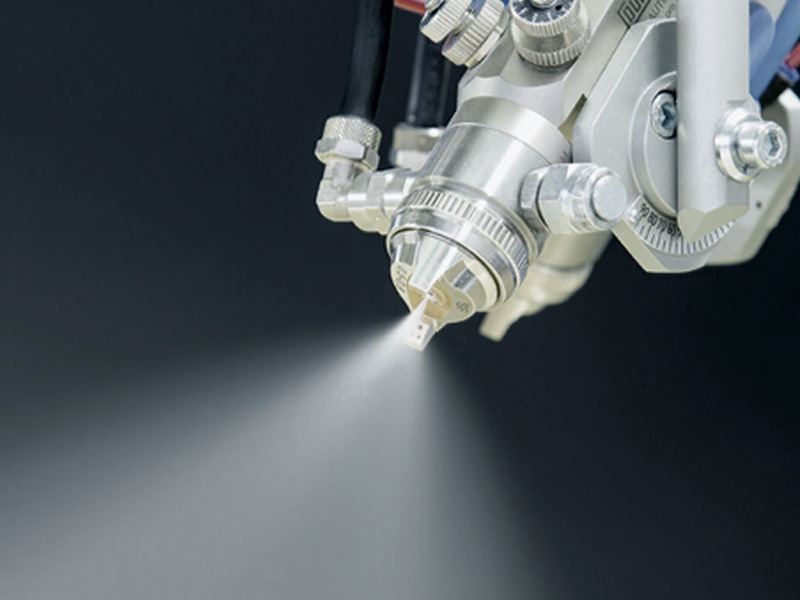
Once the surfaces are prepared, the items are transported to the spray area, where they are subjected to an automated spray application. This can involve various technologies, including electrostatic spray painting, which utilizes charged particles to enhance paint transfer efficiency. This method minimizes overspray and waste, making it an environmentally friendly option.
One of the significant advantages of using an energy-saving spray painting line is the consistency it provides. Automated systems can apply coatings uniformly, reducing the likelihood of defects or variations that can occur with manual painting. This consistency is particularly important in industries that require high-quality finishes, such as automotive, furniture, and electronics.
Additionally, energy-saving spray painting lines can be configured to accommodate different types of coatings, including water-based, solvent-based, and powder coatings. This versatility allows manufacturers to choose the best paint for their specific applications, further enhancing the final product's quality and durability.
Another key benefit of spray painting lines is the increased production speed. Automation allows for quicker turnaround times as items can be painted, cured, and packaged in a fraction of the time it would take with manual methods. This efficiency can lead to significant cost savings and the ability to meet tight deadlines, which is crucial in today's fast-paced manufacturing environment.
Safety is also a major consideration in the operation of energy saving spray painting lines. Modern systems are equipped with advanced ventilation and filtration systems to manage fumes and overspray, ensuring a safer working environment for operators. Compliance with safety regulations is essential, and using a spray painting line can help companies meet these requirements more effectively.
In conclusion, energy-saving spray painting lines play a vital role in the industrial painting process, offering numerous benefits such as improved quality, efficiency, and safety. As technology continues to evolve, these systems are becoming increasingly sophisticated, providing manufacturers with the tools they need to enhance their production processes and deliver high-quality products to the market. Understanding the mechanics and advantages of energy saving spray painting lines can empower businesses to make informed decisions that drive success in their respective industries.
Related articles

Building 1, Xiaweishui Industrial Zone, Bao'an District, Shenzhen, China


