


Revolutionizing Electronics Manufacturing: The Role of Intelligent Printed Circuit Board Lines
Release time:
2025-10-07
In the fast-paced world of electronics manufacturing, intelligent printed circuit board (PCB) lines are at the forefront of technological advancement. These sophisticated systems integrate automation, real-time data monitoring, and artificial intelligence to enhance production processes. By adopting intelligent PCB lines, companies in the electrical and electronic products manufacturing sector can

In the fast-paced world of electronics manufacturing, intelligent printed circuit board lines are at the forefront of technological advancement. These sophisticated systems integrate automation, real-time data monitoring, and artificial intelligence to enhance production processes. By adopting intelligent PCB lines, companies in the electrical and electronic products manufacturing sector can achieve higher efficiency, reduce errors, and ensure superior product quality.
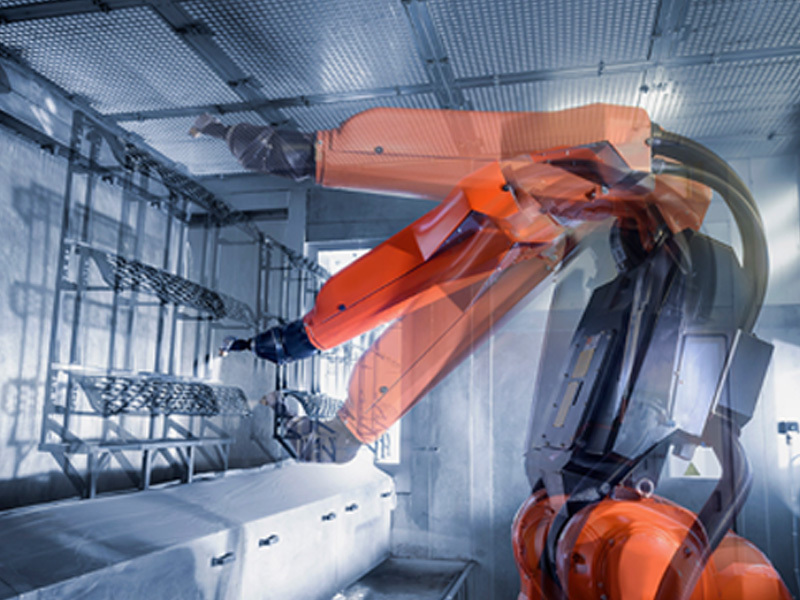
One of the key features of intelligent PCB lines is their ability to utilize advanced robotics and automation technologies. These systems can perform tasks such as component placement, soldering, and inspection with remarkable precision and speed. This automation minimizes human error and significantly increases throughput, allowing manufacturers to meet growing consumer demands without compromising quality.
Moreover, intelligent PCB lines are equipped with real-time data acquisition and analytics capabilities. This technology enables manufacturers to monitor production processes continuously, collecting critical data on machine performance, production rates, and product quality. By analyzing this data, companies can identify bottlenecks, predict maintenance needs, and make informed decisions to optimize their operations. This predictive maintenance reduces machine downtime and enhances overall productivity.
In addition to efficiency gains, intelligent PCB lines also contribute to sustainability initiatives within the manufacturing sector. These systems often feature energy-efficient components and processes that reduce power consumption during production. Additionally, the ability to minimize waste through precise manufacturing practices aligns with the industry's push towards greener practices and sustainable production methods.
Another significant advantage of intelligent PCB lines is their flexibility. Modern manufacturing demands often require rapid changes in production runs and the ability to accommodate various product designs. Intelligent PCB lines can easily adapt to these changing requirements, allowing for quick reconfiguration and setup for different products. This adaptability not only enhances responsiveness to market demands but also supports a diverse product portfolio without the need for extensive downtime.
Furthermore, businesses leveraging intelligent PCB lines can improve their competitive edge. As the electronics market becomes increasingly saturated, the ability to deliver high-quality products at a faster rate becomes a crucial differentiator. Intelligent PCB lines enable manufacturers to innovate with new designs and technologies, fostering a culture of continuous improvement and advancement.
In conclusion, intelligent printed circuit board lines are transforming the landscape of electronics manufacturing. By incorporating automation, real-time data monitoring, and sustainable practices, these advanced systems not only enhance operational efficiency but also support the industry's need for flexibility and innovation. As manufacturers strive to stay ahead in a competitive environment, investing in intelligent PCB lines is a strategic move that can lead to significant long-term benefits.
Related articles


Building 1, Xiaweishui Industrial Zone, Bao'an District, Shenzhen, China


