


Maximize Efficiency with the Right Spraying Production Line
Release time:
2024-11-13
Maximizing efficiency with the right spraying production line involves understanding its components, embracing advanced technologies, and implementing best practices

1. Understanding Spraying Production Lines
The explosion-proof spraying production line is a critical element in various industrial processes, especially in manufacturing sectors that require coating and finishing. These lines facilitate the application of substances like paint, varnishes, and other coatings to products efficiently and uniformly. Understanding the components and functions of a spraying production line is essential for maximizing its efficiency.
A typical spraying production line consists of several key components, including spray booths, pumps, spray guns, and curing systems. Each part plays a vital role in ensuring that the spraying process is seamless, which directly affects productivity and quality.
2. Importance of Efficiency in Spraying Applications
Efficiency in spraying applications can significantly impact the overall success of manufacturing operations. The following are the primary reasons why maximizing efficiency is crucial:
- Reduced Operational Costs: An efficient production line minimizes material waste and energy consumption, leading to lower operational expenses.
- Enhanced Product Quality: Consistent application of coatings ensures uniformity, improving the end product's aesthetic and functional properties.
- Increased Throughput: Efficient spraying processes allow manufacturers to meet demand without compromising quality, thereby increasing overall output.
- Better Compliance with Standards: Many industries are subject to stringent regulations regarding emissions and waste; an efficient spraying line helps in adhering to these guidelines.
3. Key Components of a Spraying Production Line
To achieve maximum efficiency in an explosion proof spraying production line, it is imperative to understand its essential components:
3.1 Spray Booths
Spray booths provide a controlled environment for the spraying process, minimizing contamination and ensuring safety. The design of spray booths can significantly affect airflow, which influences the quality of the spray application.
3.2 Pumps
Pumps are vital for transporting the coating material to the spray guns. Selecting the right pump type (airless, diaphragm, etc.) can enhance efficiency and reduce strain on the system.
3.3 Spray Guns
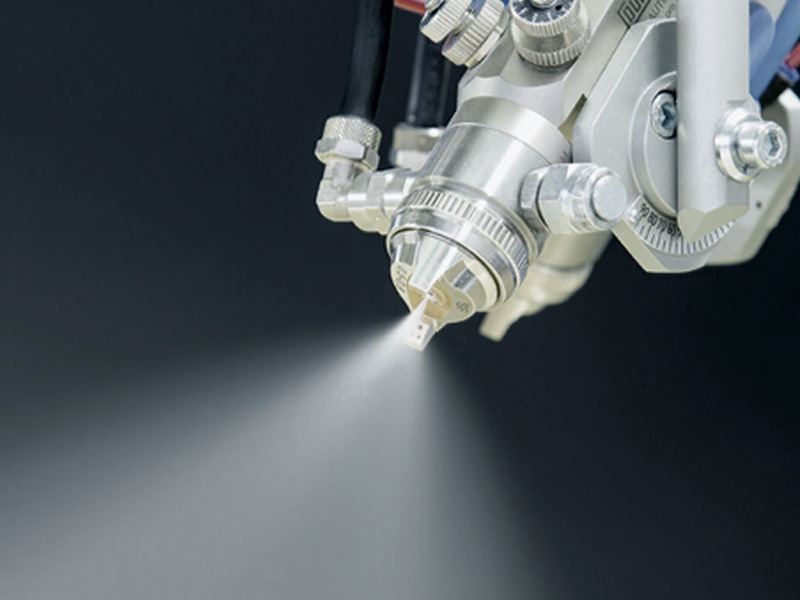
Modern spray guns come equipped with various technologies that improve atomization and spray pattern control. Choosing the appropriate spray gun based on the coating material and application is crucial for achieving maximum efficiency.
3.4 Curing Systems
Curing systems play an essential role in ensuring that coatings adhere properly and cure effectively. Understanding the various methods (UV curing, infrared curing) helps manufacturers choose the best option for their specific needs.
4. Advanced Spraying Technologies
Technological advancements have revolutionized the spraying process. Here are some of the latest technologies that can enhance efficiency:
4.1 Automatic and Robotic Spraying
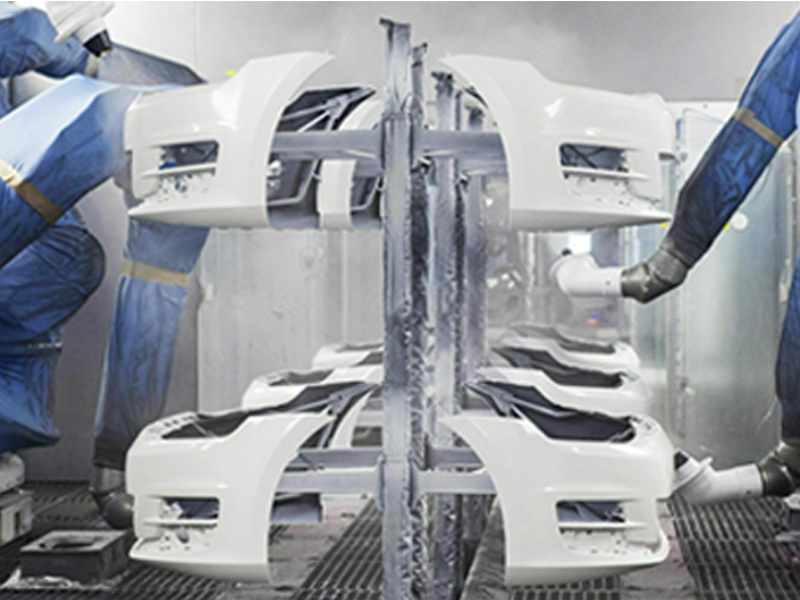
The implementation of automated and robotic spraying systems significantly reduces labor costs and increases precision. These systems can be programmed for various tasks and can operate continuously, providing a consistent quality of application.
4.2 Electrostatic Spraying
Electrostatic spraying uses charged particles to ensure that the coating material adheres better to the surface, reducing overspray and waste. This technology is particularly beneficial for complex shapes where traditional spraying methods may fall short.
4.3 Advanced Monitoring Systems
Incorporating monitoring systems allows for real-time tracking of the spraying process. This can include monitoring the viscosity of the coating, spray patterns, and the amount of material used, enabling manufacturers to make immediate adjustments for improved efficiency.
5. Designing an Efficient Spraying Line
Designing an explosion proof spraying production line that maximizes efficiency involves several critical considerations:
5.1 Workflow Optimization
Establishing an efficient workflow is essential. This includes the layout of equipment, minimizing the distance materials must travel, and ensuring that processes are logically sequenced.
5.2 Space Utilization
Proper space utilization can enhance productivity. Vertical space, for instance, can be used for storage or to install overhead systems that minimize floor space usage.
5.3 Ergonomics
Incorporating ergonomic principles in design can improve worker comfort and efficiency. This includes considering the placement of controls and minimizing repetitive motion injuries.
6. Optimizing Production Processes for Maximum Output
To achieve the highest level of efficiency, production processes need to be continuously optimized. Here are some strategies:
6.1 Regular Training for Operators
Investing in regular training for operators ensures they are knowledgeable about the latest best practices and technologies. Well-trained personnel can significantly influence the efficiency of the spraying process.
6.2 Continuous Maintenance Protocols
Implementing a preventive maintenance schedule for all equipment minimizes downtime and ensures that the production line operates at peak efficiency.
6.3 Performance Metrics Tracking
Establishing key performance indicators (KPIs) to track efficiency can help identify areas for improvement. Metrics such as cycle time, waste percentage, and rework rates are critical for understanding production performance.
7. Best Practices for Maintenance and Upkeep
Effective maintenance is crucial for the longevity and efficiency of the explosion-proof spraying production line. Consider the following best practices:
7.1 Scheduled Inspections
Regular inspections of equipment help catch potential issues before they escalate into costly repairs. Scheduled maintenance should focus on critical components such as pumps, spray guns, and curing systems.
7.2 Proper Cleaning Procedures
Implementing correct cleaning procedures for equipment prevents contamination and build-up, which can affect the quality of the spray application. Training staff on these procedures is essential.
7.3 Upgrading Equipment
Investing in new technologies and upgrading older equipment can provide significant efficiency gains. Always stay informed about the latest advancements in spraying technology.
8. Future Trends in Spraying Technology
As the industrial landscape evolves, so do spraying technologies. Here are some trends that may shape the future of explosion proof spraying production lines:
8.1 Sustainable Practices
With increasing environmental regulations, sustainable spraying practices, such as using water-based coatings and optimizing material usage, will become more prevalent.
8.2 Integration of AI and Machine Learning
The incorporation of artificial intelligence (AI) and machine learning into spraying systems can enhance precision, predict equipment failures, and optimize processes, leading to greater efficiency.
8.3 Customization and Flexibility
Manufacturers will increasingly seek customizable spraying solutions that can adapt to various product types and changing market demands, ensuring continuous efficiency and quality.
Maximizing efficiency with the right explosion-proof spraying production line involves understanding its components, embracing advanced technologies, and implementing best practices. By focusing on optimizing workflows, maintaining equipment, and staying informed about future trends, manufacturers can significantly enhance their operational efficiency. Investing in a well-designed spraying production line not only boosts productivity but also ensures that products meet high-quality standards, ultimately leading to greater customer satisfaction and business success.
Related articles


Building 1, Xiaweishui Industrial Zone, Bao'an District, Shenzhen, China


