


The Essential Guide to PCB Spray Painting Lines: Enhancing Efficiency and Quality in Industrial Coating
Release time:
2025-03-21
In the world of industrial equipment and components, having a reliable and efficient PCB spray painting line is crucial for achieving high-quality finishes on printed circuit boards (PCBs). These systems are designed to automate the spray painting process, ensuring that each PCB receives a uniform coating while minimizing waste and improving production speed. A PCB spray painting line typically co

In the world of industrial equipment and components, having a reliable and efficient PCB spray painting line is crucial for achieving high-quality finishes on printed circuit boards (PCBs). These systems are designed to automate the spray painting process, ensuring that each PCB receives a uniform coating while minimizing waste and improving production speed.

A PCB spray painting line typically consists of several key components, including a pre-treatment station, spray booths, curing ovens, and post-treatment areas. The pre-treatment station is where PCBs are prepared for coating, often involving cleaning or surface treatment to ensure optimal adhesion of the paint. This step is vital, as any contaminants on the surface can lead to defects in the final finish.
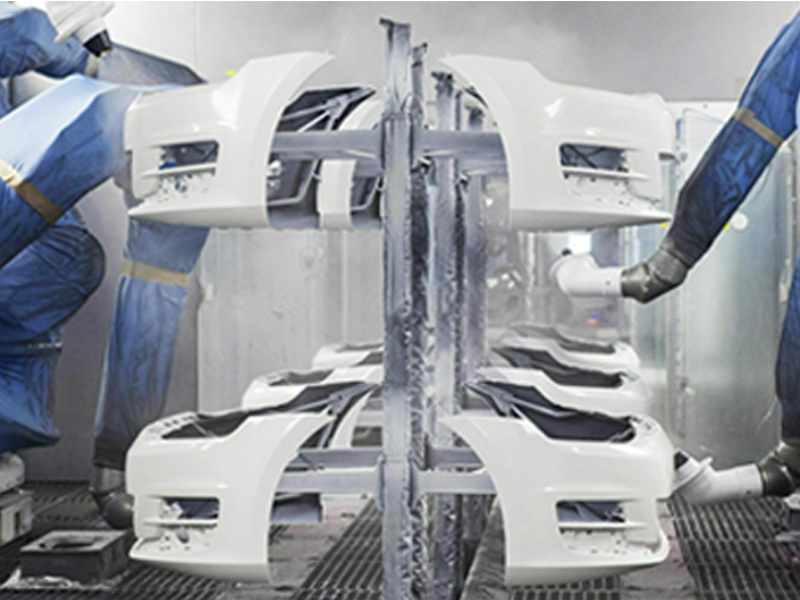
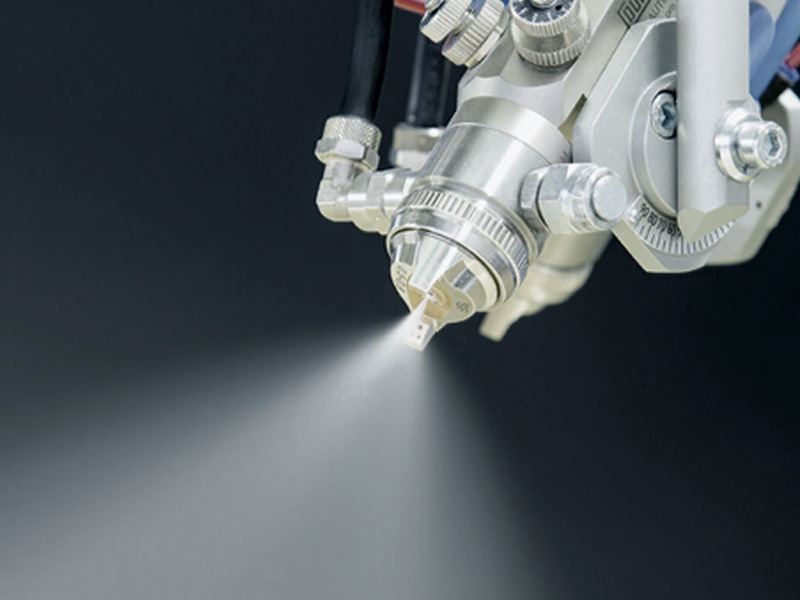
Once prepped, the PCBs move to the spray booth, where automated spray guns apply the coating material. This stage is critical for achieving a uniform and precise layer of paint. Advanced spray painting technologies, such as electrostatic spraying, can enhance the efficiency of paint application, ensuring that the coating adheres evenly and effectively reduces overspray. This not only saves materials but also minimizes the environmental impact of the spraying process.
After the application, the PCBs are transferred to curing ovens, where the paint is dried and hardened to form a durable finish. This curing process is essential for ensuring that the coating can withstand the rigors of the operational environment. The temperature and time settings in the curing ovens can be adjusted based on the specific type of coating material being used, providing flexibility and control over the final product's properties.
Moreover, a well-designed PCB spray painting line can incorporate advanced quality control measures. These can include in-line inspection systems that detect defects in real time, allowing for immediate corrective actions. This capability not only enhances the quality of the final product but also reduces the likelihood of rework and scrap, contributing to overall efficiency in the manufacturing process.
In conclusion, investing in a PCB spray painting line is a strategic move for companies looking to improve their production capabilities. By automating and optimizing the spray painting process, businesses can achieve higher quality finishes, reduce waste, and enhance operational efficiency. As technology continues to advance, these systems are likely to evolve, offering even more sophisticated solutions for the industrial coating industry. Understanding the components and functionalities of PCB spray painting lines is essential for any manufacturer aiming to stay competitive in today's fast-paced market.
Related articles


Building 1, Xiaweishui Industrial Zone, Bao'an District, Shenzhen, China


