


Revolutionizing Efficiency: The Role of Environmental Painting Assembly Lines in Modern Industry
Release time:
2025-01-18
Revolutionizing Efficiency: The Role of Environmental Painting Assembly Lines in Modern Industry Table of Contents 1. Introduction to Environmental Painting Assembly Lines 2. Understanding the Importance of Efficiency in Modern Industry 3. Key Components of Environmental Painting Assembly Lines 3.1 Automated Systems and Robotics 3.2 Eco-Friendly Coatings and Materials 4. Benefits of Im

1. Introduction to Environmental Painting Assembly Lines
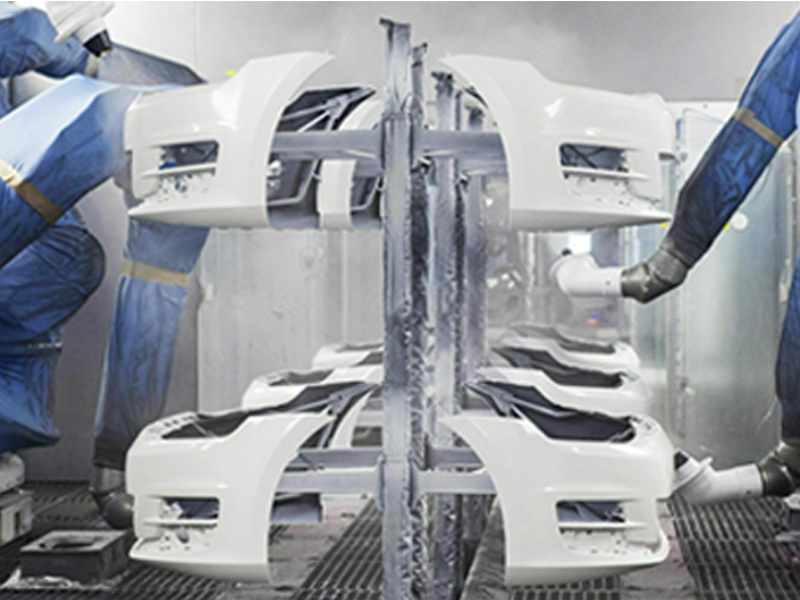
Environmental painting assembly lines represent a significant advancement in industrial processes. These systems integrate innovative technologies and sustainable practices to enhance efficiency and reduce waste. The focus on environmental considerations not only aligns with global sustainability efforts but also meets the increasing demand for efficient manufacturing solutions.
2. Understanding the Importance of Efficiency in Modern Industry
Efficiency is a critical factor in modern industry. As competition intensifies, businesses strive to optimize their operations to improve output and minimize costs. Environmental painting assembly lines play a pivotal role in achieving these objectives by streamlining processes and reducing resource consumption. This need for efficiency extends beyond financial metrics and encompasses ecological sustainability.
3. Key Components of Environmental Painting Assembly Lines
Understanding the components that make up these advanced assembly lines is essential for appreciating their impact on industrial efficiency.
3.1 Automated Systems and Robotics
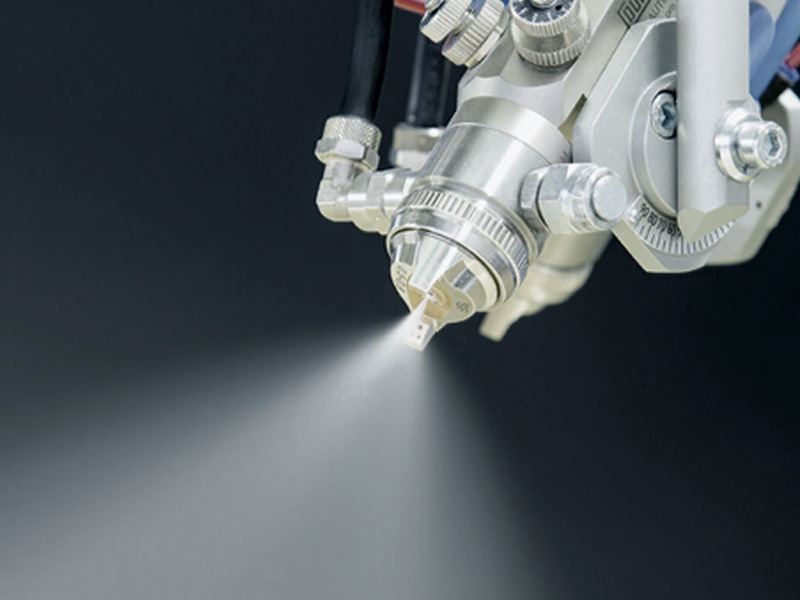
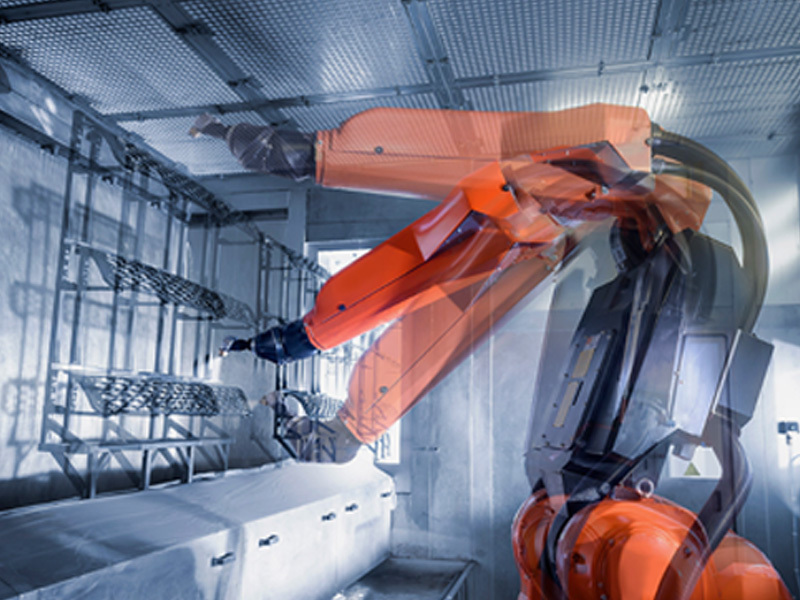
Automation is at the heart of environmental painting assembly lines. Robotic systems enhance precision and speed in painting applications, enabling consistent quality and reduced human error. These systems can adapt to various production requirements, allowing manufacturers to respond swiftly to market demands.
3.2 Eco-Friendly Coatings and Materials
The choice of materials significantly influences the overall sustainability of painting processes. Innovative eco-friendly coatings are designed to minimize volatile organic compounds (VOCs) and other harmful emissions. Utilizing such materials not only benefits the environment but also enhances the safety of workers in the production environment.
4. Benefits of Implementing Environmental Painting Assembly Lines
The integration of environmental painting assembly lines offers numerous advantages that extend across various dimensions of manufacturing.
4.1 Enhanced Productivity
By automating repetitive tasks, these assembly lines boost productivity levels. The quick application of coatings and the ability to run multiple processes simultaneously mean that products can move through the production cycle more swiftly, leading to faster turnaround times.
4.2 Reduced Environmental Impact
The commitment to sustainability is reflected in reduced waste and lower emissions. Environmental painting assembly lines use advanced filtering and recovery systems that minimize the release of harmful substances into the atmosphere. This makes them an attractive option for companies aiming to improve their environmental footprint.
4.3 Cost Efficiency
While the initial investment in environmental painting assembly lines may be substantial, the long-term savings are significant. Reduced material waste, lower energy consumption, and decreased labor costs contribute to a more cost-effective production model. Companies can achieve a quicker return on investment through improved operational efficiencies.
5. Case Studies: Successful Implementation in Various Industries
Examining real-world applications of environmental painting assembly lines provides insight into their effectiveness. Industries such as automotive, aerospace, and consumer goods have increasingly adopted these systems.
For instance, a leading automotive manufacturer implemented an environmental painting assembly line that resulted in a 30% increase in efficiency while reducing VOC emissions by 50%. This not only improved the company's compliance with environmental regulations but also enhanced its market reputation.
6. Future Trends in Environmental Painting Technology
The evolution of environmental painting assembly lines is ongoing. Emerging trends include the incorporation of artificial intelligence and machine learning to optimize processes further. Predictive maintenance systems, driven by data analytics, can anticipate equipment failures before they occur, minimizing downtime and enhancing productivity.
7. Challenges and Considerations
Despite the advantages, the transition to environmental painting assembly lines does come with challenges. Companies must consider the upfront costs, the need for employee training, and potential disruptions during implementation. However, with careful planning and a clear strategy, these hurdles can be successfully navigated.
8. Conclusion
Environmental painting assembly lines are revolutionizing the manufacturing sector, fostering a new era of efficiency and sustainability. As industries continue to strive for enhanced productivity while adhering to environmental standards, these advanced systems will play a crucial role in shaping the future of industrial operations. By investing in such technologies, companies not only improve their bottom lines but also contribute positively to the planet.
Related articles

Building 1, Xiaweishui Industrial Zone, Bao'an District, Shenzhen, China


