


How Automatic Spraying Enhances Safety in Industrial Settings
Release time:
2024-11-07
Automatic spraying production line technology represents a significant advancement in enhancing safety within industrial settings

1. Introduction to Automatic Spraying
Automatic spraying production line represents a remarkable evolution in industrial equipment and components, particularly in enhancing operational safety. These systems utilize advanced technology to deliver uniform coating and spraying applications while minimizing human involvement. With growing concerns regarding workplace hazards and the need for efficiency, automatic spraying serves as a vital solution. The integration of automatic spraying technology not only streamlines processes but significantly enhances safety protocols in various industrial settings.
2. The Importance of Safety in Industrial Environments
Safety in industrial environments is paramount. Workers are often exposed to hazardous chemicals, heavy machinery, and complex processes that pose significant risks. According to the Occupational Safety and Health Administration (OSHA), workplace accidents result in thousands of injuries annually, emphasizing the need for robust safety measures. Automatic spraying systems play a crucial role in mitigating such risks by reducing direct human exposure to dangerous substances, thus ensuring a safer work environment.
3. Benefits of Automatic Spraying Systems
Automatic spraying systems offer numerous benefits beyond safety enhancements. Some key advantages include:
3.1 Improved Efficiency and Consistency
Automatic systems provide consistent application of coatings, ensuring even coverage and reducing waste. This efficiency translates to higher productivity levels, enabling industries to meet tight deadlines without compromising quality.
3.2 Reduced Labor Costs
By automating the spraying process, companies can significantly reduce labor costs. Fewer workers are needed on-site for spraying tasks, allowing staff to focus on more strategic roles within the organization.
3.3 Enhanced Precision
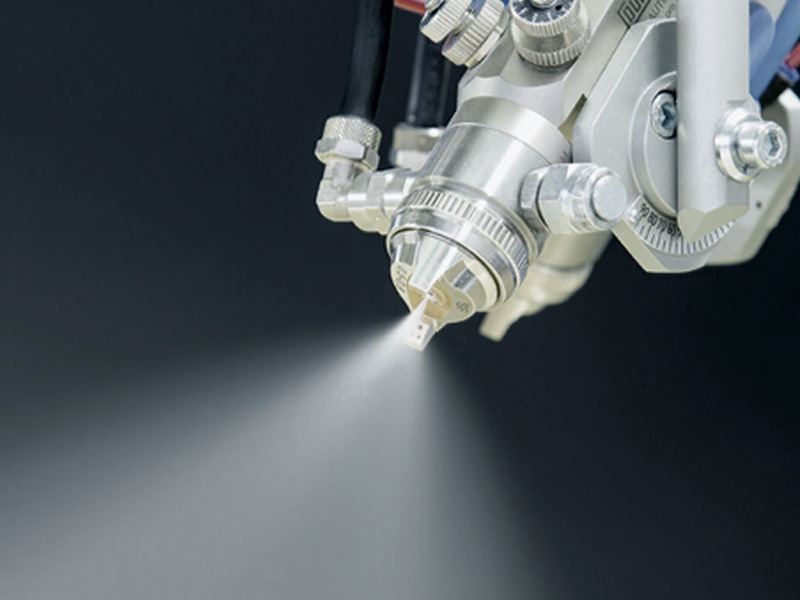
Modern automatic spraying production lines are equipped with precision technology, ensuring that the correct amount of material is used every time. This precision minimizes overspray and material waste, contributing to cost savings and environmental sustainability.
3.4 Greater Flexibility
Automatic spraying systems can be easily adapted to different materials and applications. This flexibility allows industries to switch between processes without needing extensive downtime or retraining.
4. Key Technologies Behind Automatic Spraying
Understanding the technology behind automatic spraying systems is essential to appreciate their impact on safety. Some of the key technologies include:
4.1 Robotics and Automation
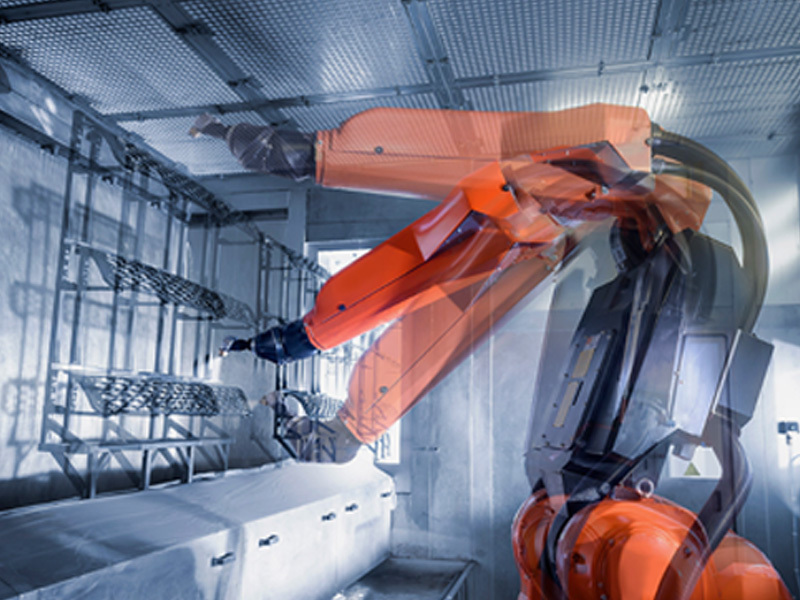
The integration of robotics and automation into spraying systems allows for precise control of spray patterns and application rates. These systems can operate in hazardous environments, effectively reducing risk to human workers.
4.2 Advanced Control Systems
Modern spraying systems feature sophisticated control systems that monitor and adjust parameters in real-time. These controls ensure optimal spraying conditions, contributing to both safety and application quality.
4.3 Sensors and Feedback Mechanisms
Sensors equipped in automatic spraying systems provide critical feedback on environmental conditions, such as humidity and temperature. This data helps in adjusting the spraying process to maintain safety standards.
5. Applications of Automatic Spraying in Various Industries
Automatic spraying systems find applications across multiple industries, each benefiting from enhanced safety. Some notable sectors include:
5.1 Automotive Industry
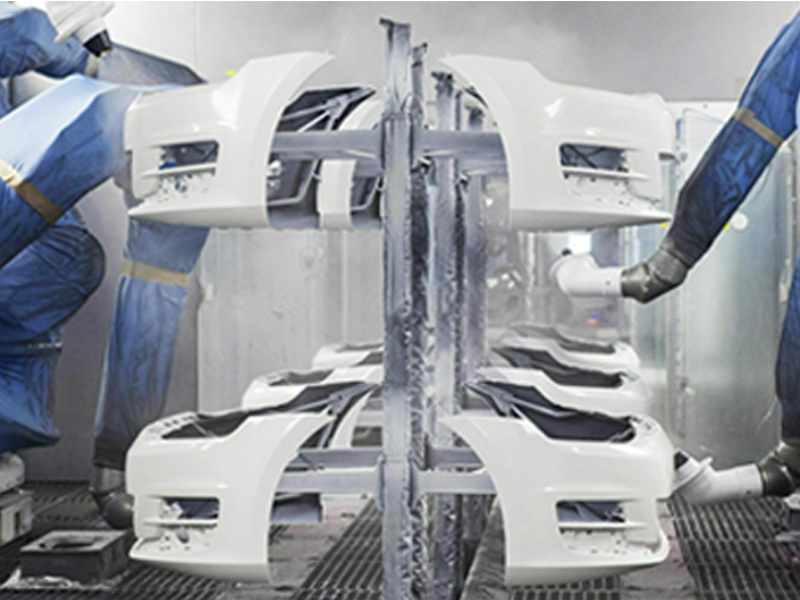
In the automotive industry, automatic spraying systems are used for painting and coating vehicles. By automating these processes, companies can minimize the risk of exposure to harmful chemicals while ensuring a high-quality finish.
5.2 Manufacturing Plants
Manufacturing plants use automatic spraying for applying protective coatings to various components. This reduces the likelihood of accidents related to manual spraying, providing a safer work environment.
5.3 Food and Beverage
In the food and beverage industry, automatic spraying systems are employed to sanitize equipment and surfaces. These systems ensure compliance with stringent safety regulations while reducing the need for manual cleaning, which can pose risks.
5.4 Construction
Automatic spraying systems are also utilized in construction for applying fireproofing materials and protective coatings. This not only ensures the safety of workers but also enhances the structural integrity of buildings.
6. How Automatic Spraying Enhances Safety
Automatic spraying production lines enhance safety in several critical ways:
6.1 Minimization of Human Exposure
One of the most significant advantages of automatic spraying is the reduction of human exposure to hazardous materials. Workers can operate systems remotely or from a safe distance, minimizing health risks associated with inhalation or skin contact with toxic substances.
6.2 Consistent Application Reduces Errors
Human error is a leading cause of accidents in industrial settings. With automatic spraying, the risk of inconsistencies and mistakes is drastically reduced, leading to safer operational practices.
6.3 Monitoring and Compliance
Many modern automatic spraying systems come equipped with monitoring tools that ensure compliance with industry safety standards. This technology allows for real-time adjustments, ensuring that safety measures are consistently upheld.
6.4 Decreased Risk of Fire Hazards
By automating the spraying of flammable materials, the risk of accidental ignition is significantly reduced. Automatic systems can precisely control the application of these materials, minimizing the chances of fire hazards.
7. Case Studies Demonstrating Safety Improvements
Several companies have reported remarkable safety improvements following the integration of automatic spraying production lines.
7.1 Case Study: Automotive Manufacturer
An automotive manufacturer implemented an automatic spraying system for its paint application process. As a result, the company reported a 30% reduction in workplace accidents related to chemical exposure, alongside a significant decrease in material waste.
7.2 Case Study: Food Processing Plant
A food processing plant adopted automatic spraying for sanitizing its production lines. This shift not only improved compliance with health regulations but also reduced labor costs by 25%. Moreover, employee absenteeism due to chemical-related illnesses dropped significantly.
7.3 Case Study: Construction Firm
A construction firm utilized automatic spraying for applying fireproofing materials. The shift not only enhanced worker safety but also improved project timelines, demonstrating how safety and efficiency can go hand in hand.
8. The Future of Automatic Spraying in Safety Management
The future of automatic spraying systems looks promising as technology continues to advance. Innovations in artificial intelligence, machine learning, and enhanced robotics will likely lead to even more sophisticated systems capable of optimizing safety in industrial settings. As industries strive for safer work environments, the demand for automatic spraying technology will undoubtedly grow.
Conclusion
Automatic spraying production line technology represents a significant advancement in enhancing safety within industrial settings. By minimizing human exposure to hazardous materials, improving application consistency, and ensuring compliance with safety regulations, these systems are transforming how industries operate. As the demand for safer work environments continues to grow, the role of automatic spraying will become increasingly vital in promoting safety and efficiency in various sectors. Embracing this technology is not just a step forward; it’s a leap toward a safer future for all industrial workers.
Related articles

Building 1, Xiaweishui Industrial Zone, Bao'an District, Shenzhen, China


