


Unlocking the Secrets of Efficient Paint Spraying Equipment
Release time:
2025-09-16
Unlocking the Secrets of Efficient Paint Spraying Equipment Table of Contents 1. Introduction to Paint Spraying Equipment 2. Understanding Different Types of Paint Spraying Equipment 2.1 Airless Paint Sprayers 2.2 Air-Assist Paint Sprayers 2.3 Electrostatic Paint Sprayers 3. Key Features to Consider 3.1 Flow Rate and Pressure 3.2 Spray Patterns and Nozzle Sizes 3.3 Portability

Unlocking the Secrets of Efficient Paint Spraying Equipment
Table of Contents
1. Introduction to Paint Spraying Equipment
2. Understanding Different Types of Paint Spraying Equipment
2.1 Airless Paint Sprayers
2.2 Air-Assist Paint Sprayers
2.3 Electrostatic Paint Sprayers
3. Key Features to Consider
3.1 Flow Rate and Pressure
3.2 Spray Patterns and Nozzle Sizes
3.3 Portability and Ease of Use
4. Applications of Paint Spraying Equipment
4.1 Industrial Coatings
4.2 Automotive Painting
4.3 Furniture Finishing
5. Maintenance Tips for Longevity and Efficiency
5.1 Regular Cleaning Procedures
5.2 Troubleshooting Common Issues
6. Cost Considerations and Budgeting
7. Conclusion
8. Frequently Asked Questions (FAQs)
1. Introduction to Paint Spraying Equipment
In the realm of industrial coatings, **efficient paint spraying equipment** is an essential asset. As industries strive for excellence in both productivity and quality, the importance of choosing the right paint sprayer cannot be overstated. This guide will delve into various types of paint spraying equipment, their features, applications, and maintenance tips, arming you with the knowledge necessary to make informed decisions for your operations.
2. Understanding Different Types of Paint Spraying Equipment
When it comes to paint spraying, understanding the different types of equipment available is crucial. Each type has its unique advantages and is suited for specific applications. Here, we explore the main categories of paint sprayers widely used in the industry.
2.1 Airless Paint Sprayers
**Airless paint sprayers** use high pressure to force paint through a tiny nozzle, creating a fine mist. These sprayers are renowned for their ability to cover large areas quickly and are perfect for heavy materials such as latex paints. They are often favored in commercial and industrial settings due to their efficiency and speed.
2.2 Air-Assist Paint Sprayers
**Air-assist paint sprayers** combine air pressure with the paint flow to create a smooth finish. This type of sprayer is beneficial for achieving a fine mist while reducing overspray. They are particularly well-suited for detailed work and are commonly used in the automotive and furniture industries.
2.3 Electrostatic Paint Sprayers
**Electrostatic paint sprayers** charge the paint droplets, which are then attracted to the surface being painted. This technology minimizes overspray and waste, making it an excellent choice for achieving uniform coverage on complex shapes. These sprayers are often used in situations where environmental concerns about overspray are paramount.
3. Key Features to Consider
When selecting paint spraying equipment, several key features must be considered to ensure optimal performance and efficiency.
3.1 Flow Rate and Pressure
The **flow rate** and **pressure** of a paint sprayer significantly impact its capabilities. Higher pressure results in finer atomization of paint, while an optimal flow rate ensures even coverage. Understanding your project's requirements will help you select the right specifications.
3.2 Spray Patterns and Nozzle Sizes
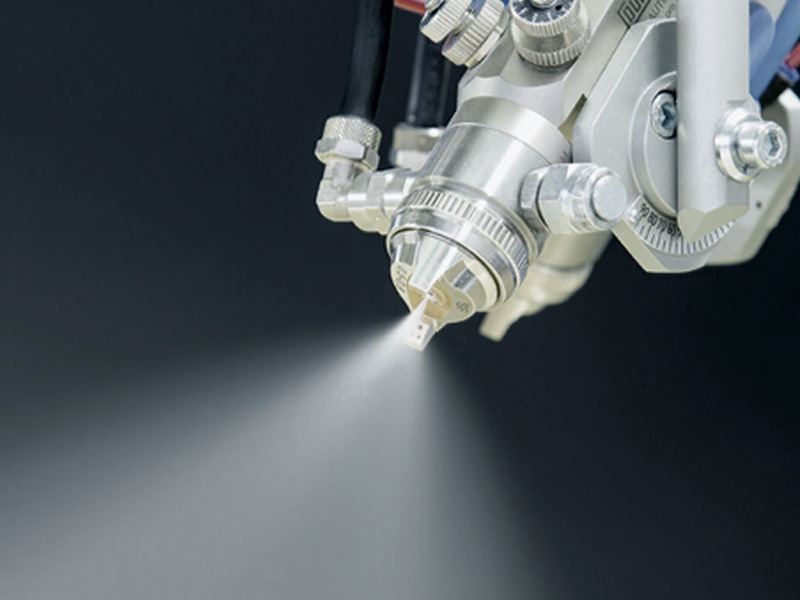
Different spray patterns and nozzle sizes provide versatility in applications. From wide fan patterns for large surfaces to narrow patterns for detailed work, choosing the appropriate nozzle is critical for achieving the desired finish.
3.3 Portability and Ease of Use
The **portability** of paint spraying equipment can enhance workflow efficiency. Lightweight models with easy maneuverability are ideal for projects requiring frequent repositioning. Additionally, user-friendly controls can help reduce operational errors, making the equipment accessible to less experienced operators.
4. Applications of Paint Spraying Equipment
The versatility of paint spraying equipment allows it to be employed across various industries. Below, we discuss some common applications.
4.1 Industrial Coatings
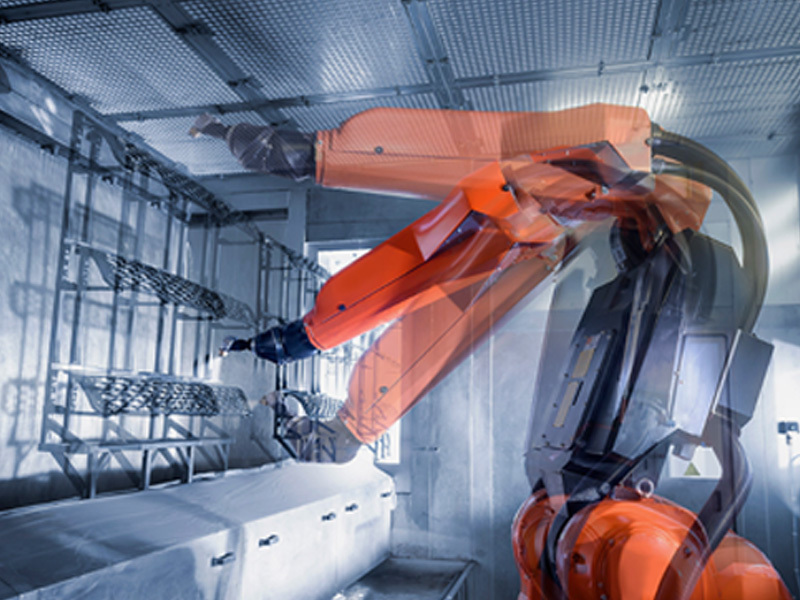
In manufacturing environments, paint sprayers are used to apply protective coatings on machinery and structures. These coatings enhance durability and resistance against corrosion and wear.
4.2 Automotive Painting
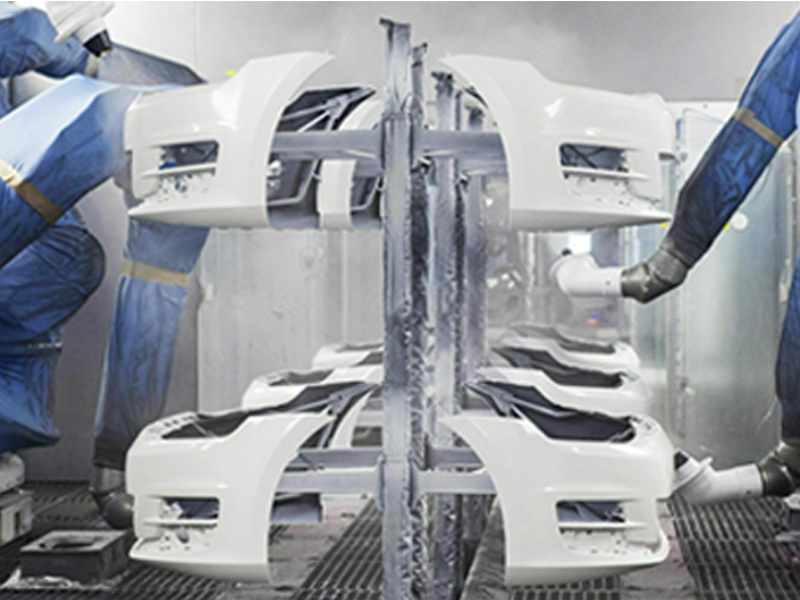
The automotive industry relies heavily on paint spraying equipment for both assembly line painting and custom jobs. High-quality finishes are essential, making efficient sprayers vital for this application.
4.3 Furniture Finishing
In furniture production, paint sprayers are utilized to achieve smooth, even coats on surfaces. The ability to quickly change colors and finishes adds to the operational efficiency of furniture manufacturers.
5. Maintenance Tips for Longevity and Efficiency
Proper maintenance is key to ensuring that your paint spraying equipment operates efficiently over time. Follow these tips to maximize longevity and performance.
5.1 Regular Cleaning Procedures
Cleaning your spray equipment after each use is crucial. Residual paint can cause clogs and reduce the sprayer's efficiency. Utilize appropriate cleaning solutions to ensure thorough cleaning of all components.
5.2 Troubleshooting Common Issues
Familiarizing yourself with common issues, such as uneven spray patterns or clogs, can save time. Regularly check the nozzle and filters for blockages and refer to the manufacturer's troubleshooting guide for specific problems.
6. Cost Considerations and Budgeting
Investing in quality paint spraying equipment can be significant. However, it is essential to consider long-term savings from increased efficiency and reduced material waste. Budgeting should account for both the initial purchase and ongoing maintenance costs, ensuring sustainable operational practices.
7. Conclusion
Understanding the intricacies of **efficient paint spraying equipment** is vital for industries aiming to enhance productivity and quality. By exploring different types of sprayers, their features, applications, and maintenance practices, businesses can make informed decisions that lead to better results and increased profitability. Investing in the right equipment not only boosts operational efficiency but also contributes to achieving superior finishes in various applications.
8. Frequently Asked Questions (FAQs)
1. What type of paint sprayer is best for large industrial projects?
The **airless paint sprayer** is often the best choice for large industrial projects due to its ability to cover expansive areas quickly and efficiently.
2. How do I maintain my paint sprayer for optimal performance?
Regular cleaning after each use and inspecting for clogs or wear can significantly extend the life of your paint sprayer.
3. Are electrostatic paint sprayers worth the investment?
Yes, electrostatic paint sprayers can reduce paint waste and improve coverage, making them a cost-effective solution in the long run.
4. Can I use different types of paint with all sprayers?
No, it is essential to check the manufacturer’s specifications, as different sprayers are designed for specific paint types.
5. How can I reduce overspray during painting projects?
Using air-assist or electrostatic sprayers can help minimize overspray, along with proper technique during application.
This comprehensive guide serves as a resource for anyone looking to optimize their paint spraying operations, ensuring they have the right tools and knowledge for successful projects.
Related articles

Building 1, Xiaweishui Industrial Zone, Bao'an District, Shenzhen, China


