


Unveiling the Benefits of an Advanced Spray Production Line: Transforming Efficiency and Quality in Manufacturing
Release time:
2025-09-14
Unveiling the Benefits of an Advanced Spray Production Line Introduction to Advanced Spray Production Lines In the ever-evolving landscape of industrial equipment and components, the demand for precision and efficiency has never been higher. Spray production lines have emerged as a vital component in manufacturing processes, particularly in sectors that require high-quality finishes and coatings.

Unveiling the Benefits of an Advanced Spray Production Line
Introduction to Advanced Spray Production Lines
In the ever-evolving landscape of industrial equipment and components, the demand for precision and efficiency has never been higher. Spray production lines have emerged as a vital component in manufacturing processes, particularly in sectors that require high-quality finishes and coatings. This article delves into the myriad benefits of adopting an advanced spray production line and how it can revolutionize your operations.
What is a Spray Production Line?
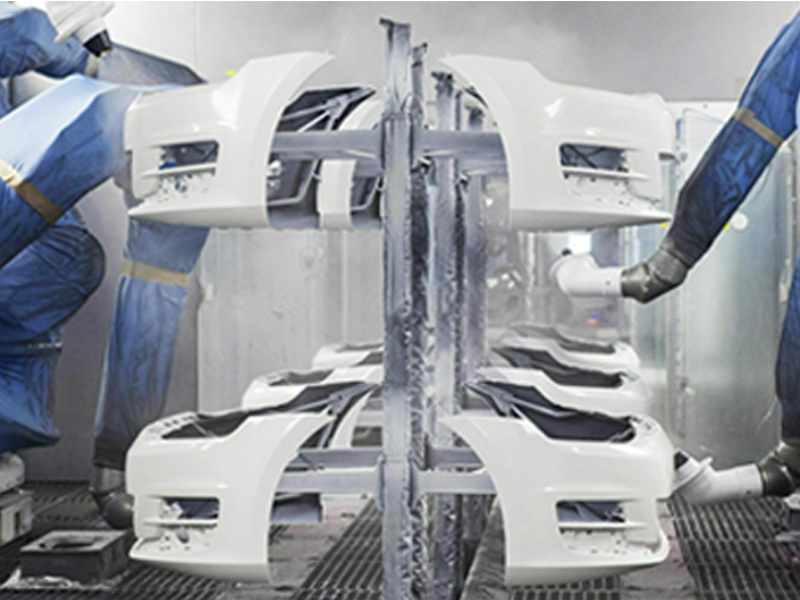
A spray production line refers to a series of automated processes that apply liquid coatings, paints, or other materials onto various substrates. These systems are designed to optimize the application of sprays, ensuring uniform coverage and reducing waste. Advanced spray production lines leverage state-of-the-art technology and automation to achieve superior results compared to traditional methods.
The Components of a Spray Production Line
Understanding the components of a spray production line is crucial for appreciating its benefits. The key elements include:
1. Pre-Treatment Systems
Pre-treatment systems prepare surfaces by cleaning and conditioning them, ensuring optimal adhesion of the spray material.
2. Spray Application Equipment
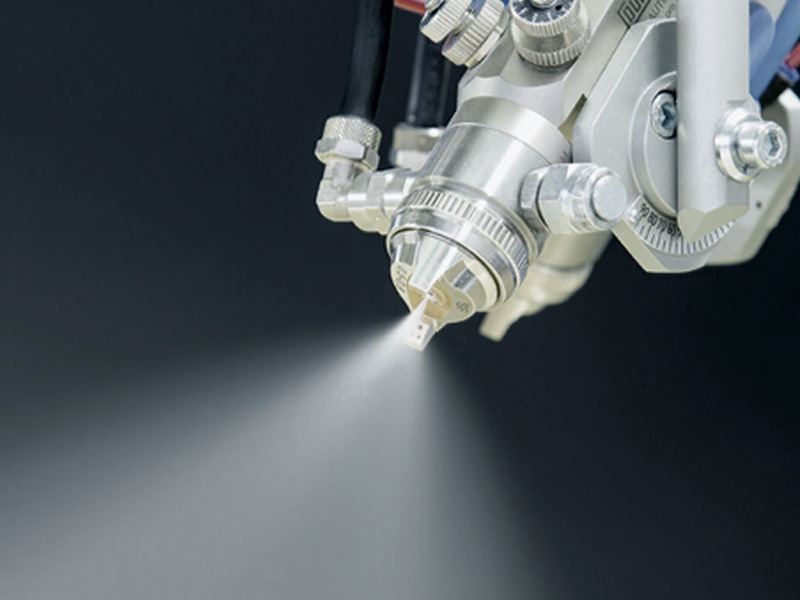
This includes spray guns and automated applicators that deliver precise amounts of coating material.
3. Curing Systems
Curing systems facilitate the drying or hardening of the applied material, crucial for achieving durability and performance.
4. Quality Control Mechanisms
Advanced quality control systems monitor the application process, ensuring that every product meets stringent standards.
Key Benefits of an Advanced Spray Production Line
Investing in an advanced spray production line can yield numerous advantages for manufacturers. Here are some of the most notable benefits:
1. Enhanced Efficiency and Productivity
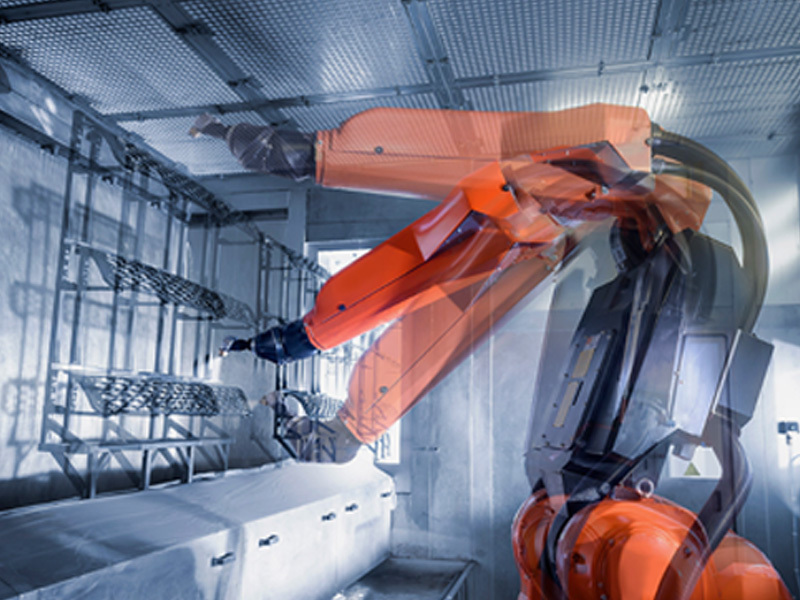
An advanced spray production line significantly improves efficiency by automating repetitive tasks. This automation reduces human error and accelerates production speeds. With optimized workflows, manufacturers can achieve higher output levels while maintaining quality standards.
2. Superior Quality of Finishes
One of the most compelling reasons to adopt an advanced spray production line is the superior quality it offers. Modern spray technologies ensure even coating, minimizing defects such as runs and sags. The result is a consistently high-quality finish that enhances the appearance and durability of the products.
3. Cost-Effectiveness
While the initial investment in an advanced spray production line may seem significant, the long-term savings can be substantial. Reduced material waste, lower labor costs, and increased production efficiency all contribute to a more cost-effective manufacturing process.
Case Study: ROI on Advanced Spray Production Lines
A recent study showed that companies implementing advanced spray production lines realized a 30% reduction in material costs and a 40% increase in productivity within the first year of operation.
4. Flexibility and Versatility
Modern spray production lines are designed to handle a variety of materials and products. This versatility allows manufacturers to adapt to changing market demands quickly. Whether applying powder coatings, liquid paints, or specialty finishes, an advanced spray line can accommodate different requirements with ease.
5. Improved Safety and Environmental Compliance
With advancements in technology, modern spray production lines are designed with safety and environmental considerations in mind. Automated systems reduce the risk of exposure to hazardous materials, while efficient application methods minimize overspray and VOC emissions, helping manufacturers comply with environmental regulations.
6. Streamlined Maintenance and Support
Advanced spray production lines often come equipped with monitoring systems that alert operators to potential issues before they escalate. This proactive approach to maintenance can significantly reduce downtime and repair costs, allowing for smoother operations.
Implementing an Advanced Spray Production Line
Transitioning to an advanced spray production line requires careful planning and consideration. Here are some steps manufacturers can take to ensure successful implementation:
1. Conduct a Needs Assessment
Before investing in a spray production line, it’s essential to assess your specific needs. Consider factors such as production volume, types of materials, and product specifications to determine the best equipment for your operation.
2. Research Available Technologies
Stay informed about the latest advancements in spray technology. Look for systems that offer advanced features such as precision applicators, automated controls, and integrated quality monitoring.
3. Collaborate with Experts
Working with industry experts can provide invaluable insights into the best practices for implementing an advanced spray production line. Consider partnering with equipment manufacturers or consultants who specialize in spray technology.
4. Train Your Team
Proper training for your workforce is crucial for maximizing the benefits of a new spray production line. Ensure that your team is well-versed in operating the equipment and adhering to safety protocols.
Future Trends in Spray Production Technology
The landscape of spray production technology is continuously evolving. Here are some emerging trends that could shape its future:
1. Smart Manufacturing Integration
As the Industry 4.0 movement gains traction, integrating smart technologies into spray production lines is becoming increasingly popular. This includes the use of IoT devices for real-time monitoring and data analytics to optimize operations.
2. Eco-Friendly Coating Options
The demand for environmentally responsible products is driving innovation in spray materials. Manufacturers are exploring bio-based coatings and low-VOC formulations that are safer for both workers and the environment.
3. Customization and Personalization
With advancements in digital printing technology, the ability to customize and personalize spray applications is on the rise. This trend allows manufacturers to offer unique finishes that meet specific customer preferences.
Common FAQs About Advanced Spray Production Lines
1. What types of industries benefit from advanced spray production lines?
Advanced spray production lines are beneficial across various industries, including automotive, aerospace, consumer goods, and construction.
2. How do I determine the right spray production line for my business?
Conduct a thorough needs assessment, considering factors such as production volume, material types, and desired finish quality.
3. What maintenance is required for a spray production line?
Regular maintenance includes cleaning spray nozzles, checking for leaks, and ensuring that all components are functioning correctly.
4. Can advanced spray production lines handle different materials?
Yes, advanced spray production lines are designed to accommodate various materials, including liquid paints, powder coatings, and specialty finishes.
5. How does automation improve spray production efficiency?
Automation reduces human error, accelerates production speeds, and ensures consistent application of coatings, all of which contribute to improved efficiency.
Conclusion
The implementation of an advanced spray production line offers a wealth of benefits that can transform manufacturing processes. From enhanced efficiency and superior quality finishes to cost savings and improved safety, the advantages are clear. By investing in these innovative systems, manufacturers can position themselves for success in an increasingly competitive market. Embracing technology and adapting to industry trends will ensure that your operations remain at the forefront of the industrial equipment sector.
Related articles

Building 1, Xiaweishui Industrial Zone, Bao'an District, Shenzhen, China


