


Revolutionizing Coating: The Future of Environmental Paint Robot Arms
Release time:
2025-09-06
Revolutionizing Coating: The Future of Environmental Paint Robot Arms Table of Contents 1. Introduction to Environmental Paint Robot Arms 2. The Technology Behind Paint Robot Arms 2.1 How Robot Arms Are Engineered 2.2 Innovations in Coating Technologies 3. Advantages of Environmental Paint Robot Arms 3.1 Increased Efficiency in Coating Processes 3.2 Enhanced Quality and Precision

Revolutionizing Coating: The Future of Environmental Paint Robot Arms
Table of Contents
1. Introduction to Environmental Paint Robot Arms
2. The Technology Behind Paint Robot Arms
2.1 How Robot Arms Are Engineered
2.2 Innovations in Coating Technologies
3. Advantages of Environmental Paint Robot Arms
3.1 Increased Efficiency in Coating Processes
3.2 Enhanced Quality and Precision
3.3 Sustainable Practices and Environmental Benefits
4. Applications of Environmental Paint Robot Arms
4.1 Automotive Industry
4.2 Aerospace Sector
4.3 Consumer Goods Manufacturing
5. Challenges in Implementing Robot Arms
5.1 Initial Investment Costs
5.2 Operator Training and Skill Development
6. The Future of Environmental Paint Robot Arms
6.1 Predictions for Industry Growth
6.2 Emerging Technologies and Trends
7. Frequently Asked Questions
8. Conclusion
1. Introduction to Environmental Paint Robot Arms
The coatings industry is undergoing a **revolution** with the advent of **environmental paint robot arms**. These sophisticated tools are designed to apply coatings with remarkable precision while minimizing environmental impact. This article delves into how these robotic systems are reshaping surface finishing processes across various sectors, ensuring that efficiency and sustainability go hand in hand.
2. The Technology Behind Paint Robot Arms
The design and functionality of environmental paint robot arms stem from advanced engineering principles combined with innovative coating technologies. Their ability to operate seamlessly in various environments sets them apart from traditional coating methods.
2.1 How Robot Arms Are Engineered
Environmental paint robot arms are typically made from lightweight, durable materials that allow for **maximum maneuverability**. These robotic systems are equipped with state-of-the-art motors and sensors that ensure precision movement and control. This engineering excellence translates into reduced waste and a more efficient application process.
2.2 Innovations in Coating Technologies
The integration of smart technologies such as **AI and machine learning** is enhancing the capabilities of paint robot arms. These innovations enable robots to learn from previous applications, optimize spray patterns, and adjust parameters in real-time to achieve the best results.
3. Advantages of Environmental Paint Robot Arms
Adopting environmental paint robot arms offers numerous advantages that can significantly benefit manufacturers.
3.1 Increased Efficiency in Coating Processes
One of the key benefits of utilizing environmental paint robot arms is the **increased efficiency** they bring to coating processes. These robots can operate continuously without fatigue, allowing for higher throughput in production lines.
3.2 Enhanced Quality and Precision
With the ability to maintain consistent speed and accuracy, environmental paint robot arms ensure that coatings are applied uniformly. This precision reduces the need for rework, thus saving time and resources.
3.3 Sustainable Practices and Environmental Benefits
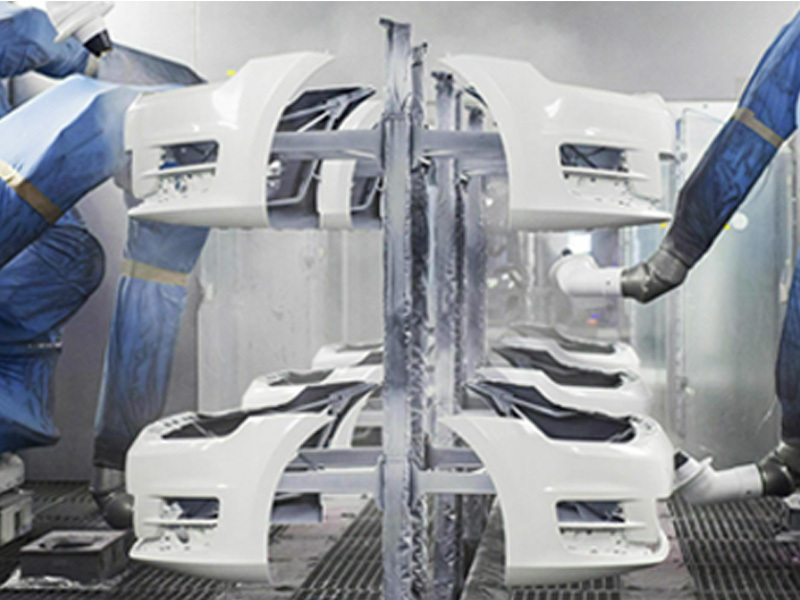
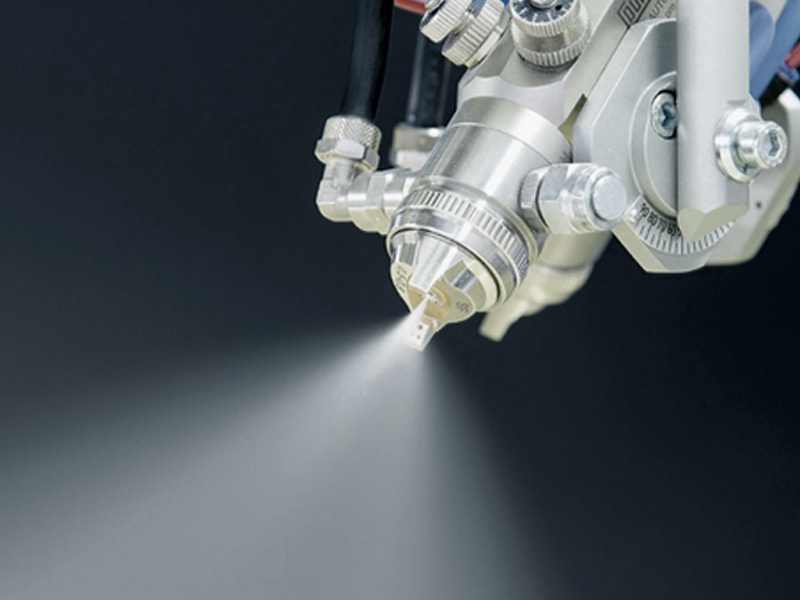
Environmental paint robot arms utilize advanced spray technologies that minimize overspray and waste, supporting **sustainable practices**. Furthermore, many of these systems are designed to work with eco-friendly paint formulations, significantly reducing harmful emissions.
4. Applications of Environmental Paint Robot Arms
The versatility of environmental paint robot arms makes them suitable for a wide array of applications across various industries.
4.1 Automotive Industry
In the automotive sector, environmental paint robot arms are revolutionizing how vehicles are coated. Their ability to achieve perfect finishes while adhering to strict environmental regulations makes them a popular choice among manufacturers.
4.2 Aerospace Sector
Similarly, in aerospace manufacturing, these robots are employed to apply coatings that enhance durability and reduce weight. The precision offered by robotic arms ensures that the coatings meet stringent safety standards.
4.3 Consumer Goods Manufacturing
In consumer goods manufacturing, environmental paint robot arms are used to apply coatings on a variety of products, from electronics to furniture, ensuring a high-quality finish that appeals to consumers.
5. Challenges in Implementing Robot Arms
Despite their many advantages, there are challenges associated with the implementation of environmental paint robot arms.
5.1 Initial Investment Costs
The initial investment required for acquiring and integrating paint robot arms can be substantial. Businesses must weigh these costs against potential long-term savings and benefits.
5.2 Operator Training and Skill Development
Proper training for operators is essential to maximize the potential of these robotic systems. Companies need to invest in skill development to ensure that personnel can effectively manage and troubleshoot robotic applications.
6. The Future of Environmental Paint Robot Arms
Looking ahead, the future of environmental paint robot arms appears bright, with several trends shaping their development and implementation.
6.1 Predictions for Industry Growth
As industries increasingly prioritize sustainability and efficiency, the demand for environmental paint robot arms is expected to grow significantly. Adoption rates are likely to increase as technologies become more accessible.
6.2 Emerging Technologies and Trends
Advancements in **robotics, AI, and sensor technologies** will continue to refine the capabilities of painting robots. Future innovations may lead to fully autonomous systems that require minimal human intervention, further enhancing productivity.
7. Frequently Asked Questions
What are environmental paint robot arms?
Environmental paint robot arms are robotic systems specifically designed for applying coatings in a manner that minimizes environmental impact while maximizing efficiency and precision.
How do these robots reduce waste?
These robots utilize advanced spray technologies that significantly reduce overspray and optimize paint delivery, leading to less waste and a more sustainable coating process.
What industries benefit from using paint robot arms?
Various industries, including automotive, aerospace, and consumer goods manufacturing, benefit from the precision and efficiency offered by environmental paint robot arms.
Are there any limitations to using these robots?
While there are many benefits, challenges include the high initial investment costs and the need for skilled operators to manage and maintain the robotic systems.
What does the future hold for environmental paint robot arms?
The future is promising, with technological advancements expected to enhance the capabilities of these robots, leading to wider adoption and even greater efficiency in coating processes.
8. Conclusion
Environmental paint robot arms are undeniably revolutionizing the coatings industry. Their ability to provide **high-quality finishes** while adhering to sustainable practices positions them at the forefront of modern manufacturing. As technology continues to evolve, these robotic systems will likely become even more integral across various sectors, driving efficiency and quality to new heights. Adopting these innovations is not just beneficial for businesses; it is also a crucial step towards a more sustainable future in manufacturing.
Related articles


Building 1, Xiaweishui Industrial Zone, Bao'an District, Shenzhen, China


