


Revolutionizing Coating: The Future of Intelligent Paint Robots
Release time:
2025-08-22
In the realm of industrial equipment and components, the introduction of intelligent paint robots is transforming how we approach painting tasks. These advanced machines are designed to automate the painting process, offering numerous benefits that enhance both productivity and quality. Intelligent paint robots utilize sophisticated algorithms and artificial intelligence to optimize painting opera

In the realm of industrial equipment and components, the introduction of intelligent paint robots is transforming how we approach painting tasks. These advanced machines are designed to automate the painting process, offering numerous benefits that enhance both productivity and quality.
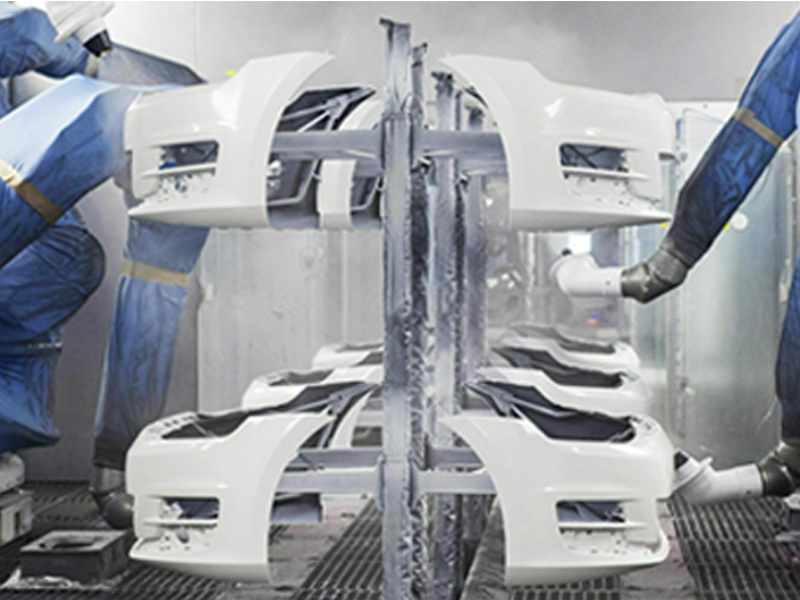
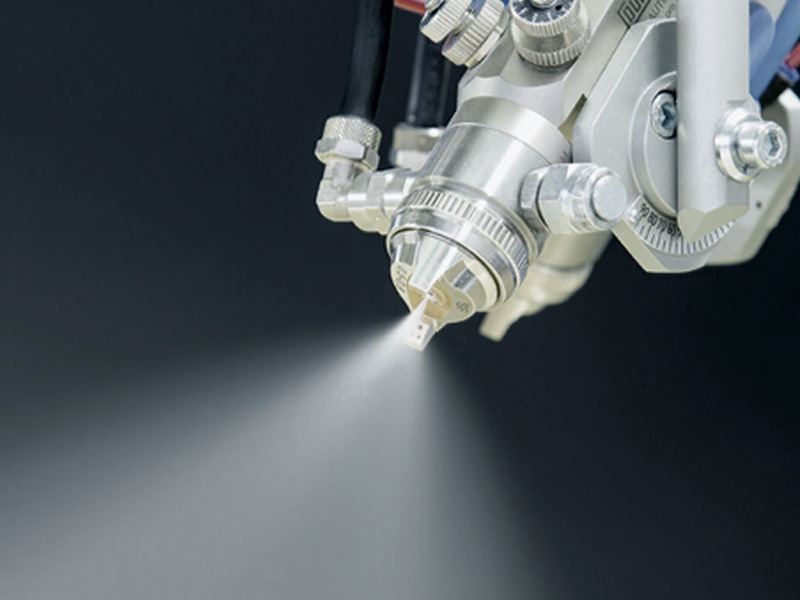
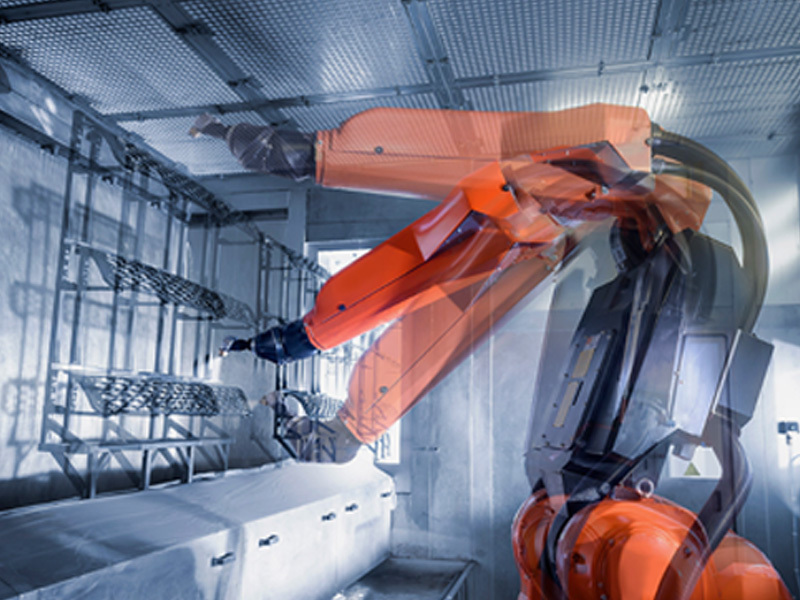
Intelligent paint robots utilize sophisticated algorithms and artificial intelligence to optimize painting operations. Unlike traditional spraying methods, which often rely on manual labor, these robots can consistently apply paint with remarkable precision. They are equipped with sensors that allow them to identify surfaces and adjust their spraying techniques accordingly. This capability ensures even coverage, reducing the likelihood of imperfections and minimizing waste.
One of the key advantages of intelligent paint robots is their ability to significantly improve efficiency. In many industrial settings, time is of the essence, and the quicker a job can be completed without compromising quality, the better. Intelligent paint robots can work tirelessly, applying multiple layers of paint in a fraction of the time it would take human workers. This rapid execution not only expedites production timelines but also allows human workers to focus on more complex tasks that require their expertise.
Safety is another critical consideration in the industrial painting process. Traditional methods often expose workers to hazardous fumes and chemicals. Intelligent paint robots help mitigate these risks by taking on the brunt of the work in enclosed environments, thereby reducing human exposure to potentially harmful substances. Additionally, the precision of robotic painting minimizes overspray, further enhancing workplace safety.
Furthermore, the incorporation of intelligent paint robots leads to substantial cost savings over time. While the initial investment in robotic technology may be significant, the long-term benefits, including reduced labor costs, decreased material waste, and enhanced productivity, make them a sound financial decision for many businesses. As industries continue to evolve towards automation, intelligent paint robots represent a crucial step in modernizing painting processes.
In summary, intelligent paint robots are revolutionizing the industrial painting landscape. Their ability to apply paint with precision, increase efficiency, and improve safety makes them an invaluable asset in the world of spray painting equipment. As technology continues to advance, we can expect these robots to become even more integrated into various industries, aligning perfectly with the goals of quality, productivity, and safety. Embracing this technology could very well define the future of industrial painting.
Related articles

Building 1, Xiaweishui Industrial Zone, Bao'an District, Shenzhen, China


