


Revolutionizing Industry: The Impact of Industrial Robot Spray Painting
Release time:
2025-08-16
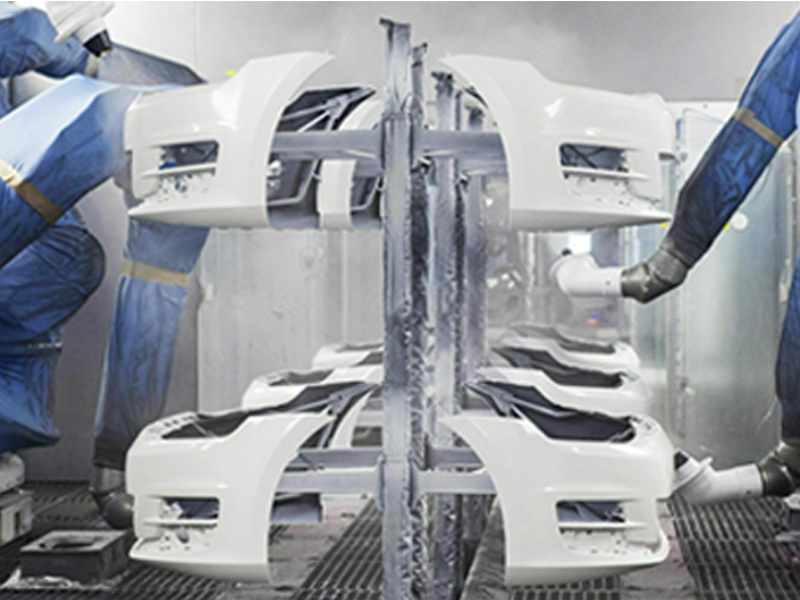
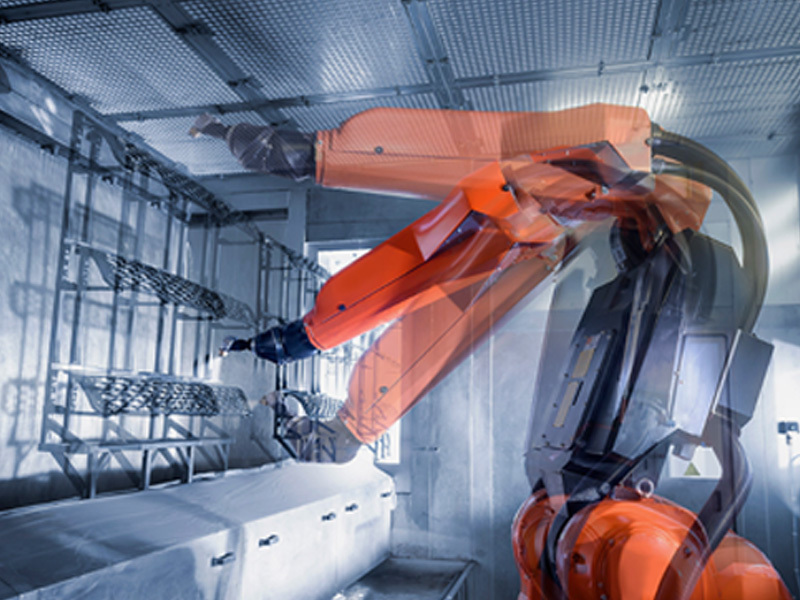
Industrial robot spray painting represents a significant advancement in the field of manufacturing, particularly in industries that rely on high-quality finishes and efficient production methods. This technology involves the use of robotic systems to automate the spray painting process, resulting in numerous benefits for businesses and the environment. One of the primary advantages of employing in

Industrial robot spray painting represents a significant advancement in the field of manufacturing, particularly in industries that rely on high-quality finishes and efficient production methods. This technology involves the use of robotic systems to automate the spray painting process, resulting in numerous benefits for businesses and the environment.
One of the primary advantages of employing industrial robot spray painting is the consistency it offers. Robots perform tasks with precision, ensuring that every product receives an even application of paint. This uniformity reduces the likelihood of defects, such as runs or uneven coverage, which are common with manual spray painting. By maintaining high standards of quality, companies can enhance their reputation and customer satisfaction.
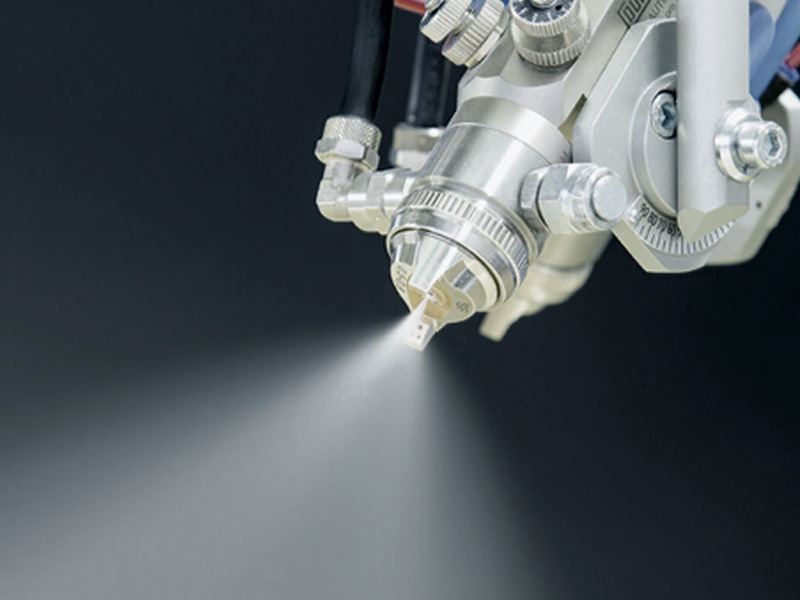
Efficiency is another key benefit of integrating industrial robots into the spray painting process. Robots can work continuously without the fatigue that affects human workers, leading to increased throughput and reduced cycle times. This means that businesses can produce more finished products in a shorter amount of time, ultimately improving their bottom line. The use of robots also allows for more efficient use of paint materials, as they can be programmed to minimize waste and ensure optimal coverage.
Moreover, industrial robot spray painting contributes to a safer working environment. Manual spray painting often involves exposure to harmful chemicals and solvents, posing health risks to workers. By automating this process, businesses can significantly reduce the exposure of human workers to these hazardous materials. Additionally, robots can be designed to operate in controlled environments, further minimizing risks associated with volatile organic compounds (VOCs) and other pollutants.
The versatility of industrial robots is another significant advantage. They can be programmed to handle various tasks, from applying different types of coatings to adjusting spray patterns based on the contours of the items being painted. This adaptability enables manufacturers to switch between products with minimal downtime, facilitating a more agile production process.
In terms of investment, while the initial setup cost for industrial robot spray painting systems may be substantial, the long-term savings and benefits often outweigh these expenses. Reduced labor costs, decreased material waste, and improved quality can lead to a substantial return on investment over time.
In conclusion, industrial robot spray painting offers a transformative approach to manufacturing, enhancing quality, efficiency, and safety. As industries continue to evolve and seek innovative solutions to meet their production needs, the adoption of robotic systems for spray painting will likely become a standard practice, driving progress across various sectors. By embracing this technology, businesses can position themselves at the forefront of their industries, ready to capitalize on the benefits of automation.
Related articles

Building 1, Xiaweishui Industrial Zone, Bao'an District, Shenzhen, China


