


The Advantages of Implementing an Automatic Spray Coating Line in Industrial Applications
Release time:
2025-08-14
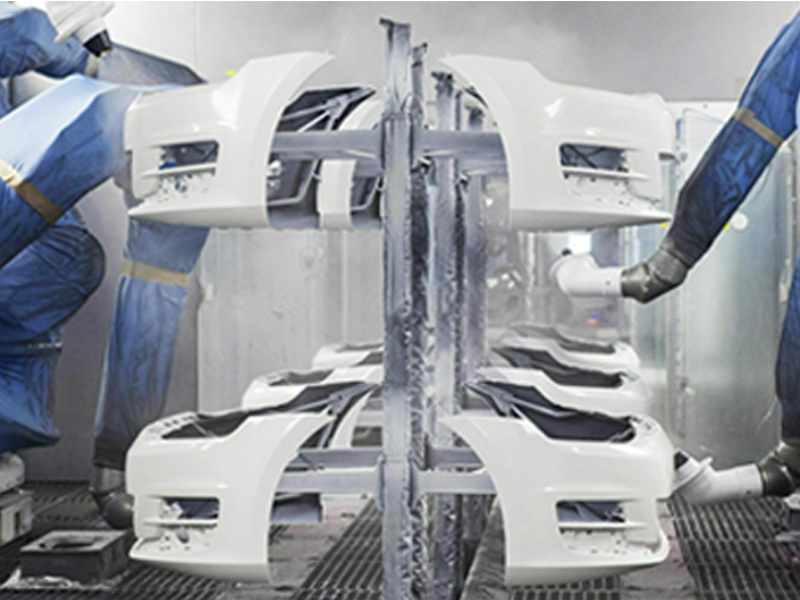
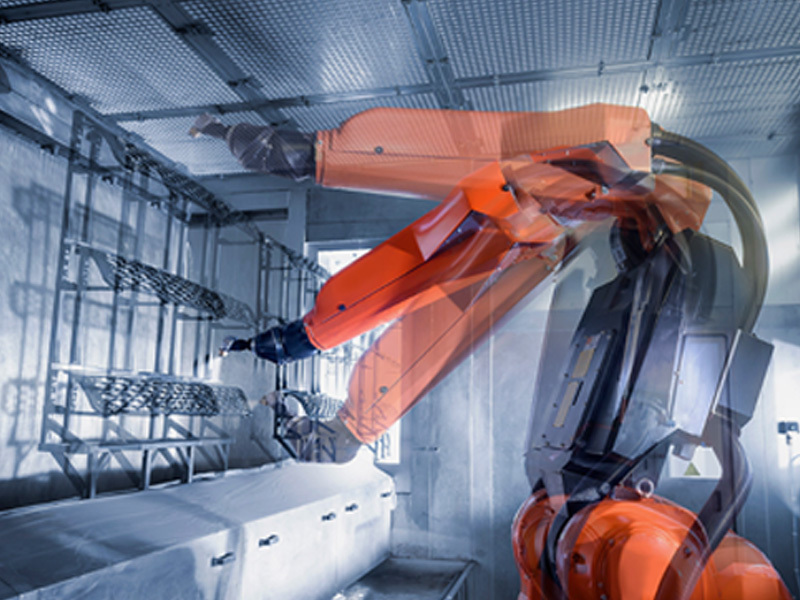
In the world of industrial equipment, the Automatic Spray Coating Line stands out as a revolutionary advancement that enhances efficiency and consistency in coating applications. These systems are designed to automate the process of applying coatings to various surfaces, making them invaluable in industries ranging from automotive to electronics. The primary function of an Automatic Spray Coating

In the world of industrial equipment, the Automatic Spray Coating Line stands out as a revolutionary advancement that enhances efficiency and consistency in coating applications. These systems are designed to automate the process of applying coatings to various surfaces, making them invaluable in industries ranging from automotive to electronics.
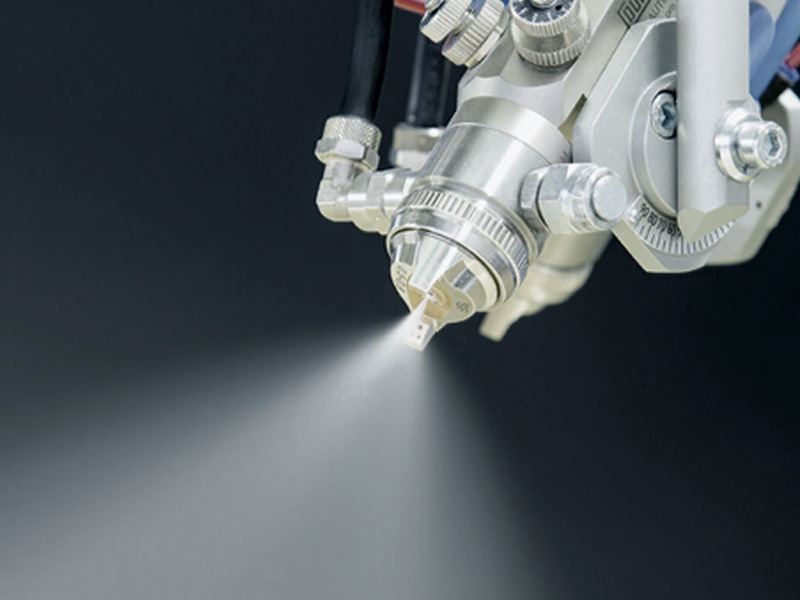
The primary function of an Automatic Spray Coating Line is to provide an even and controlled application of spray coatings. This precision is critical for achieving high-quality finishes, as it eliminates issues associated with manual application, such as uneven coats or human error. By utilizing advanced technology, these systems can adjust spray patterns, pressure, and flow rates, ensuring that every product receives a uniform layer of coating.
One of the key advantages of integrating an Automatic Spray Coating Line into your manufacturing setup is the significant reduction in labor costs. Automation reduces the need for manual labor in the coating process, allowing your workforce to focus on more complex tasks that require human expertise. This efficiency not only increases productivity but also minimizes the risk of workplace injuries associated with manual spraying methods.
Moreover, these systems enhance the consistency of the coating application, which is crucial for industries where quality control is paramount. The uniformity of the spray ensures that each product meets the specified standards, reducing the likelihood of defects and the need for rework. This reliability can lead to improved customer satisfaction and trust in your products.
Environmental considerations also play a vital role in the design of modern Automatic Spray Coating Lines. Many of these systems are engineered to minimize waste and reduce overspray, which not only conserves materials but also aligns with sustainable manufacturing practices. Advanced filtration systems can capture excess paint and particulate matter, further contributing to a cleaner workplace and reducing environmental impact.
Additionally, the integration of smart technology such as IoT (Internet of Things) capabilities in these lines facilitates better monitoring and control. Manufacturers can gather real-time data on the coating process, allowing for immediate adjustments and optimizations. This data-driven approach not only helps in maintaining quality but also aids in predictive maintenance, reducing downtime and prolonging the lifespan of the equipment.
In summary, implementing an Automatic Spray Coating Line can significantly enhance the efficiency, quality, and sustainability of your industrial coating processes. By automating the application, companies can achieve better consistency, reduce labor costs, and adhere to environmental standards, making it a vital investment for modern manufacturing operations. Embracing this technology can lead to substantial long-term benefits, positioning your business for success in a competitive market.
Related articles

Building 1, Xiaweishui Industrial Zone, Bao'an District, Shenzhen, China


