


Transform Your Manufacturing Process with a Professional Spray Paint Production Line
Release time:
2025-08-09
Transform Your Manufacturing Process with a Professional Spray Paint Production Line Table of Contents 1. Introduction to Spray Paint Production Lines 2. The Importance of Investing in Quality Spray Equipment 3. Key Components of a Spray Paint Production Line 4. The Role of Automation in Modern Spray Painting 5. Eco-Friendly Innovations in Spray Paint Technology 6. Underst

Transform Your Manufacturing Process with a Professional Spray Paint Production Line
Table of Contents
- 1. Introduction to Spray Paint Production Lines
- 2. The Importance of Investing in Quality Spray Equipment
- 3. Key Components of a Spray Paint Production Line
- 4. The Role of Automation in Modern Spray Painting
- 5. Eco-Friendly Innovations in Spray Paint Technology
- 6. Understanding the Cost-Effectiveness of a Professional Setup
- 7. Steps to Implementing a Spray Paint Production Line
- 8. The Future of Spray Painting in Manufacturing
- 9. Frequently Asked Questions (FAQs)
- 10. Conclusion
1. Introduction to Spray Paint Production Lines
The manufacturing sector is continually evolving, with a growing emphasis on efficiency, sustainability, and quality. One of the key innovations that has transformed the industry is the introduction of **professional spray paint production lines**. These systems are designed to streamline the painting process, ensuring uniform application, reduced waste, and improved finish quality. This article delves into the various aspects of spray paint production lines and how they can revolutionize your manufacturing processes.
2. The Importance of Investing in Quality Spray Equipment
Investing in high-quality spray painting equipment is crucial for several reasons:
2.1 Enhanced Efficiency
Quality spray equipment significantly increases the speed of the painting process. Automated systems can cover large areas quickly while maintaining consistency, allowing manufacturers to meet tight deadlines without compromising quality.
2.2 Improved Finish Quality
The precision offered by professional spray lines ensures that colors are applied uniformly, reducing the risk of defects such as drips, runs, or uneven coverage. This not only enhances the aesthetic appeal of the products but also bolsters customer satisfaction.
2.3 Cost Savings
While the initial investment in professional equipment may be substantial, the long-term savings are undeniable. Efficient spray systems minimize paint waste, reduce labor costs, and lower the frequency of reworks due to defects.
3. Key Components of a Spray Paint Production Line
To fully understand the capabilities of a spray paint production line, it’s essential to explore its fundamental components, each playing a vital role in optimizing the manufacturing process.
3.1 Spray Booths
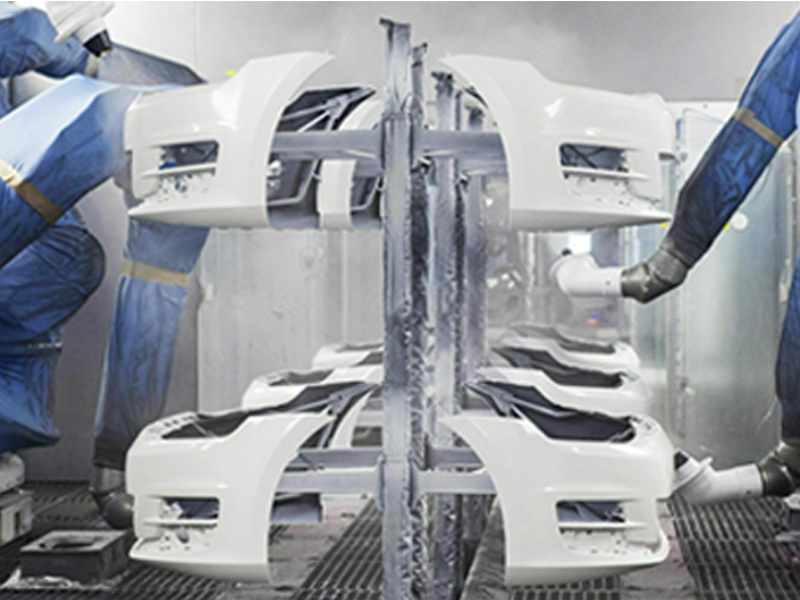
Spray booths are essential for controlling environmental conditions during the painting process. They prevent dust and contaminants from settling on freshly painted surfaces, ensuring a high-quality finish.
3.2 Paint Delivery Systems
These systems, which include pumps and hoses, are responsible for transporting paint from storage to the spray guns. Advanced delivery systems can accurately measure and mix paint, ensuring consistency in color and viscosity.
3.3 Spray Guns
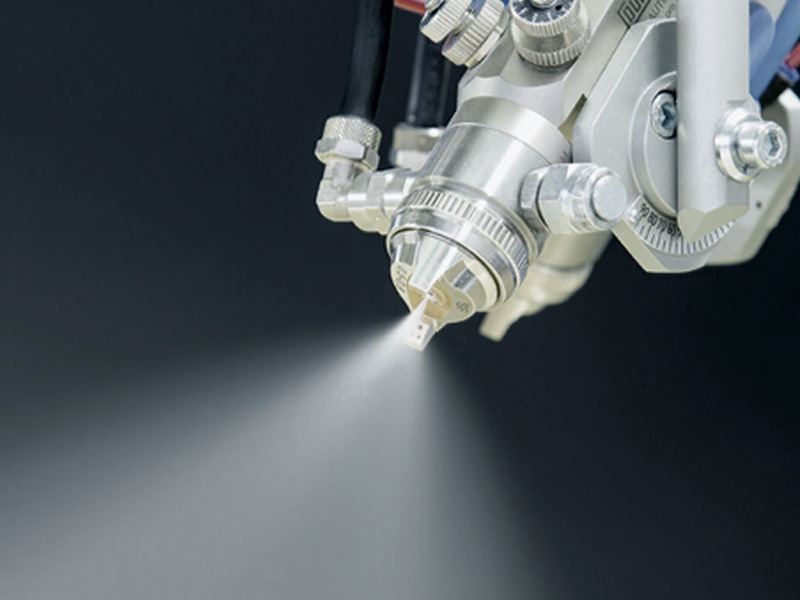
The heart of the spray paint production line, spray guns come in various types, including airless, conventional, and electrostatic. Each type offers unique benefits tailored to specific applications and materials.
3.4 Curing Systems
After application, paint needs to be cured to ensure durability. Curing systems, including infrared or UV lights, speed up the drying process, allowing for faster turnaround times.
4. The Role of Automation in Modern Spray Painting
Automation has revolutionized the way manufacturers approach spray painting.
4.1 Increased Production Rates
With automated systems, manufacturers can significantly increase their production output. Automated spray lines can operate continuously without breaks, maximizing the use of labor hours.
4.2 Consistency and Precision
Automated spray lines ensure that each product receives the same treatment, maintaining quality standards across batches. This consistency is critical in industries where precision is paramount, such as automotive and electronics.
4.3 Reduced Labor Costs
By utilizing automated processes, manufacturers can reduce the number of employees needed on the production floor, allowing them to allocate resources more effectively.
5. Eco-Friendly Innovations in Spray Paint Technology
As sustainability becomes increasingly important in manufacturing, the spray paint industry has seen numerous innovations aimed at reducing environmental impact.
5.1 Water-Based Paints
Water-based paints have gained popularity due to their lower levels of volatile organic compounds (VOCs). They are less harmful to both the environment and human health, making them a preferred choice for many industries.
5.2 Energy-Efficient Equipment
Modern spray paint production lines are designed with energy efficiency in mind. Utilizing energy-saving technologies can significantly reduce the carbon footprint of manufacturing operations.
5.3 Recycling Systems
Innovative recycling systems for paint overspray and waste have emerged, allowing manufacturers to reclaim and reuse materials, further reducing waste and costs.
6. Understanding the Cost-Effectiveness of a Professional Setup
While the upfront investment in a professional spray paint production line may appear daunting, the long-term benefits far outweigh the initial costs.
6.1 Lower Operational Costs
Efficient spray systems minimize paint usage and reduce the need for extensive cleanup, resulting in lowered operational expenses over time.
6.2 Increased Lifespan of Equipment
Investing in quality equipment means less downtime due to repairs or replacements, increasing the overall lifespan of your production line.
6.3 Improved Customer Satisfaction
High-quality finishes lead to satisfied customers, fostering brand loyalty and repeat business, which translates to increased revenue.
7. Steps to Implementing a Spray Paint Production Line
Implementing a spray paint production line involves several critical steps to ensure a smooth transition and maximum efficiency.
7.1 Assessing Your Needs
Evaluate your current production processes and identify areas for improvement. Consider factors such as production volume, types of products, and desired finish quality.
7.2 Choosing the Right Equipment
Research and select equipment that aligns with your production needs, budget, and sustainability goals. Consulting with industry experts can provide valuable insights.
7.3 Training Your Team
Proper training is essential to maximize the effectiveness of your spray paint production line. Ensure your team understands how to operate equipment safely and efficiently.
7.4 Monitoring and Maintenance
Establish a routine maintenance schedule to keep your production line running smoothly. Regular monitoring allows you to address issues before they escalate, maintaining optimal performance.
8. The Future of Spray Painting in Manufacturing
The future of spray painting in manufacturing is bright, with advancements in technology driving innovations that enhance productivity, quality, and sustainability.
8.1 Integration of AI and Machine Learning
As technology continues to evolve, the integration of AI and machine learning in spray painting processes will enable manufacturers to optimize operations further, predict maintenance needs, and improve product quality.
8.2 Growth of Customization
Consumer demand for personalized products will drive the need for more flexible and adaptable spray painting solutions, allowing manufacturers to cater to niche markets effectively.
8.3 Expansion of Sustainable Practices
The push toward sustainability will continue to influence the spray painting industry, with an emphasis on eco-friendly materials, processes, and waste reduction.
9. Frequently Asked Questions (FAQs)
9.1 What are the benefits of using a professional spray paint production line?
Investing in a professional spray paint production line enhances efficiency, improves finish quality, reduces waste, and ultimately lowers operational costs.
9.2 How does automation benefit spray painting processes?
Automation increases production rates, ensures consistency in application, and reduces labor costs, making it an essential aspect of modern manufacturing.
9.3 Are there eco-friendly options for spray paints?
Yes, water-based paints and energy-efficient equipment are examples of eco-friendly options that minimize environmental impact while maintaining quality.
9.4 How can I choose the right spray painting equipment for my business?
Assess your production needs, budget, and sustainability goals, then consult with industry experts to select equipment that meets your requirements.
9.5 What steps should I take to implement a spray paint production line?
Begin by assessing your needs, choosing the right equipment, training your team, and establishing a monitoring and maintenance schedule to ensure smooth operations.
10. Conclusion
Investing in a **professional spray paint production line** is a strategic move that can transform your manufacturing operations. By enhancing efficiency, improving finish quality, and promoting sustainability, these systems not only meet the demands of today's competitive market but also pave the way for future innovations. With the right equipment, careful planning, and continuous improvement, manufacturers can achieve remarkable results, positioning themselves for long-term success in an ever-evolving industry.
Related articles


Building 1, Xiaweishui Industrial Zone, Bao'an District, Shenzhen, China


