


The Essential Guide to Golf Ball Coating: Enhancing Performance and Durability
Release time:
2025-04-08
Golf is a sport that requires precision, skill, and the right equipment, and one of the most critical components in this realm is the golf ball. Among various factors that influence a golf ball's performance, the coating plays a pivotal role. Understanding the nuances of golf ball coating can greatly enhance both the durability and playability of the balls, making it a significant topic for manufa

Golf is a sport that requires precision, skill, and the right equipment, and one of the most critical components in this realm is the golf ball. Among various factors that influence a golf ball's performance, the coating plays a pivotal role. Understanding the nuances of golf ball coating can greatly enhance both the durability and playability of the balls, making it a significant topic for manufacturers and golfers alike.
Golf ball coatings are typically designed to provide a variety of protective and performance-related features. One of the primary materials used in these coatings is polyurethane, known for its flexibility and resilience. This material not only protects the inner layers of the ball from abrasion and impact but also contributes to the overall feel and control that golfers experience during play. Different formulations of polyurethane can offer varying levels of hardness, allowing manufacturers to tailor the golf ball's response to the player's swing and playing conditions.
Another essential aspect is the coating's ability to reduce the effects of weather on performance. For instance, a well-designed coating can help maintain the ball’s performance in wet conditions, ensuring that golfers can rely on their equipment regardless of the weather. This is particularly important for those who play in regions with unpredictable climates, where moisture can significantly affect traction and control.
Moreover, the coating of golf balls also plays a crucial role in aerodynamics. The surface texture and coating design can influence how air flows around the ball during flight. Enhanced coatings can be engineered to minimize drag and optimize lift, leading to longer and straighter shots. This is a key consideration for both amateur and professional players who seek to improve their game.
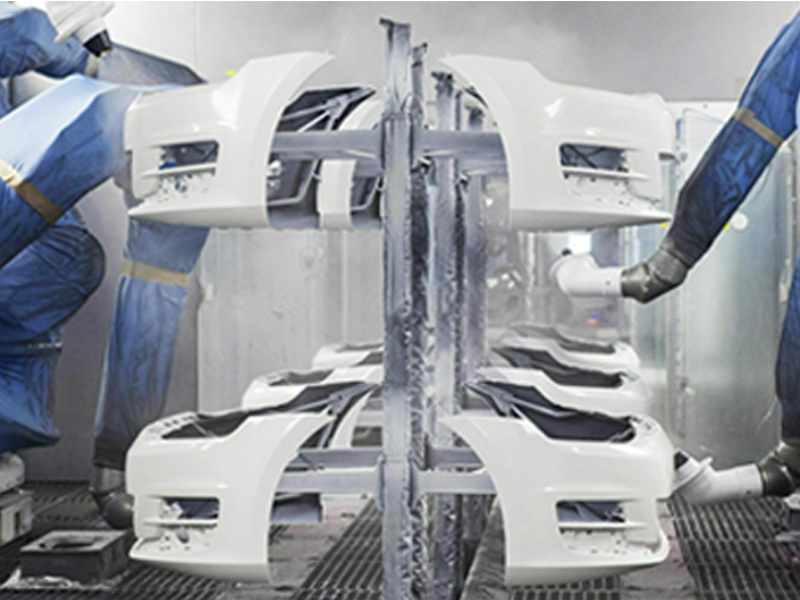
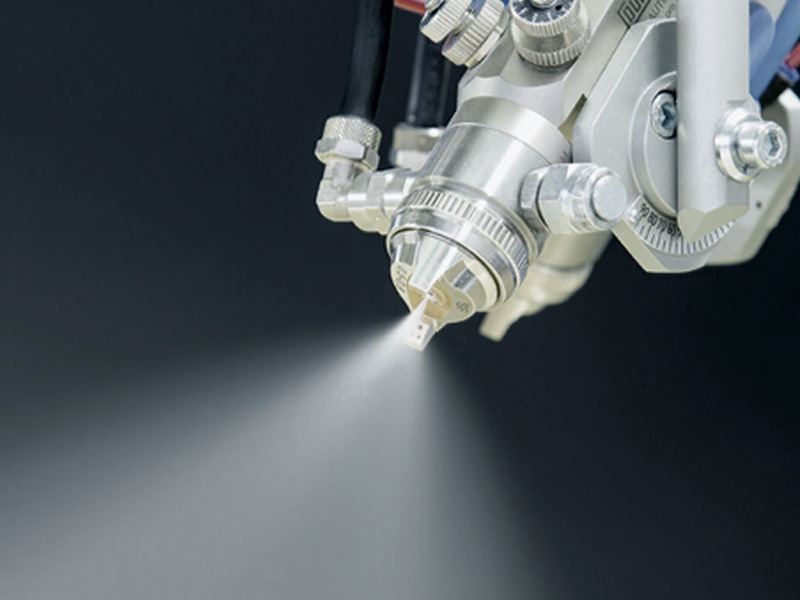
In the realm of industrial equipment and components related to coating technologies, advancements have led to the development of specialized spray systems that can ensure even and precise application of coatings to golf balls. These spray systems are designed to optimize the coating process, ensuring that each ball receives a uniform layer that guarantees consistent performance. As the demand for high-quality golf balls continues to rise, so does the need for efficient coating solutions in manufacturing.
In conclusion, golf ball coating is more than just a protective layer; it is a sophisticated technology that significantly impacts a ball's performance, durability, and playability. For those involved in the manufacturing of golf balls, understanding the characteristics and benefits of different coatings is essential. By investing in high-quality coating solutions, manufacturers can enhance their products and ultimately contribute to a better golfing experience for players at all levels.
Related articles


Building 1, Xiaweishui Industrial Zone, Bao'an District, Shenzhen, China


