


Helmet Painting Machines: Key Innovations to Watch in the Coming Years
Release time:
2025-04-07
Helmet Painting Machines: Key Innovations to Watch in the Coming Years Table of Contents Introduction to Helmet Painting Machines The Importance of Helmet Customization in Industries Current Trends in Helmet Painting Technology Key Innovations to Anticipate 1. Automation and Robotics 2. Eco-friendly Coatings and Processes 3. The Role of

Helmet Painting Machines: Key Innovations to Watch in the Coming Years
Table of Contents
- Introduction to Helmet Painting Machines
- The Importance of Helmet Customization in Industries
- Current Trends in Helmet Painting Technology
- Key Innovations to Anticipate
- Market Demand for Helmet Painting Machines
- Future Technologies in Helmet Painting
- Challenges Facing the Industry
- Conclusion: Embracing Innovations in Helmet Painting
- FAQs About Helmet Painting Machines
Introduction to Helmet Painting Machines
In the rapidly evolving industrial landscape, **helmet painting machines** play a crucial role in ensuring that safety gear meets aesthetic standards while providing the necessary protection. As companies strive to enhance branding and personalization, these machines have undergone significant transformations. The current trajectory of innovation promises to revolutionize how helmets are painted, thus improving efficiency and quality in the manufacturing process.
The Importance of Helmet Customization in Industries
Customization of helmets is essential across various sectors, including construction, sports, and law enforcement. A well-designed helmet doesn’t just serve a functional purpose; it also acts as a **branding tool** that reflects the identity of the organization. Companies are increasingly prioritizing the appearance of safety gear, making helmet painting machines indispensable in meeting these demands.
Current Trends in Helmet Painting Technology
Recent years have seen a surge in technological advancements in helmet painting. These trends include the integration of **digital printing**, increased automation, and the adoption of advanced materials that enhance durability and finish. Companies are focusing on efficiency, leading to shorter lead times and reduced labor costs.
Key Innovations to Anticipate
As we look into the future, several key innovations are expected to shape the landscape of helmet painting machines significantly.
1. Automation and Robotics
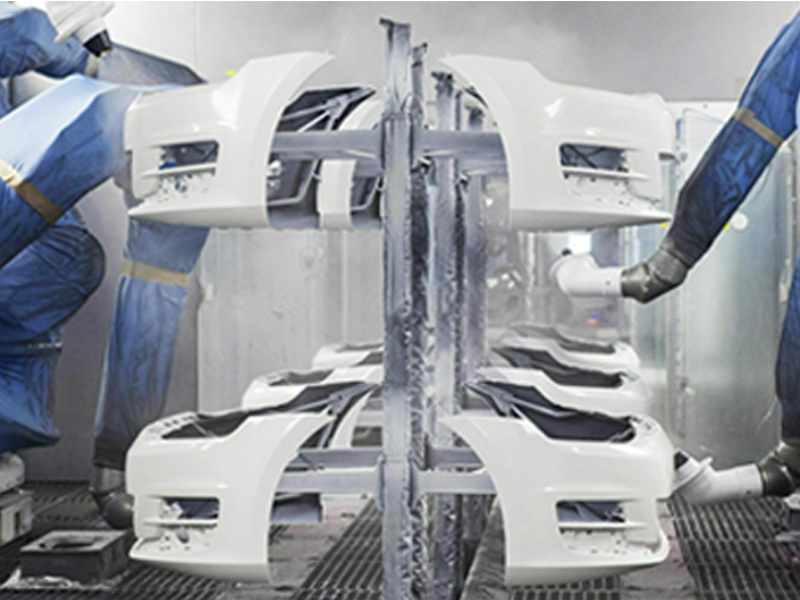
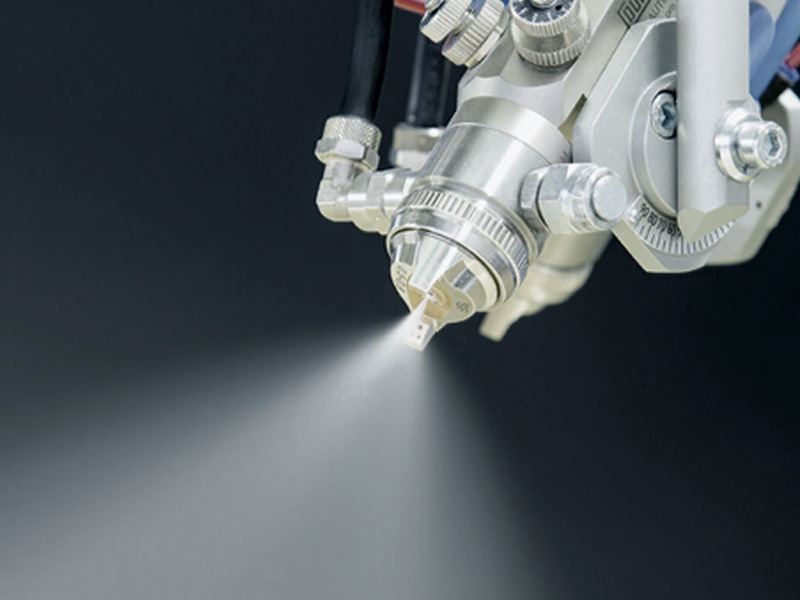
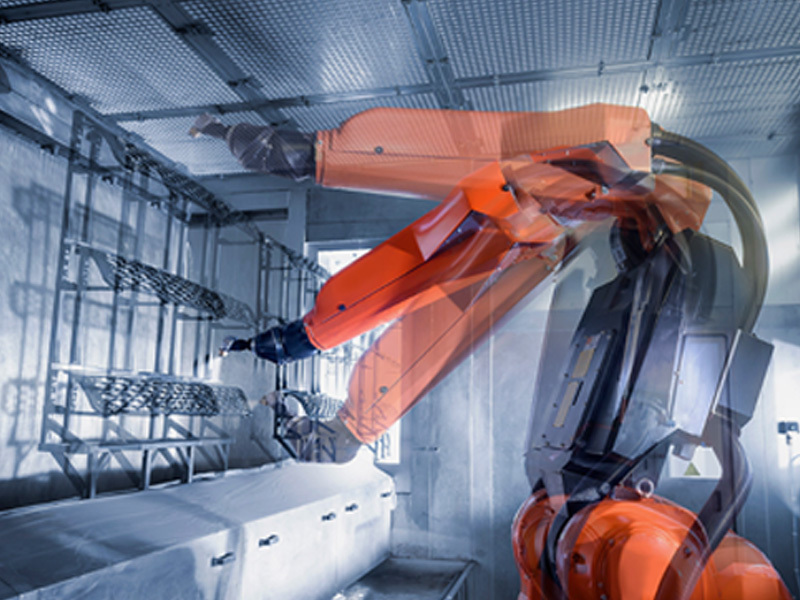
The integration of **automation and robotics** in helmet painting processes is one of the foremost innovations. Automated systems can operate with precision and speed, significantly reducing the time required for painting helmets. By utilizing robotic arms equipped with advanced spray systems, companies can achieve consistent coating thickness and superior finishes. This technology also minimizes human error, ensuring that every helmet meets stringent quality standards.
2. Eco-friendly Coatings and Processes
Environmental concerns are prompting industries to adopt **eco-friendly coatings** and processes. Innovations in water-based paints and UV-curable coatings are becoming more prevalent. These alternatives not only reduce harmful emissions but also improve the safety of workers involved in the painting process. Companies are increasingly investing in research and development to formulate coatings that are not only environmentally friendly but also durable and vibrant.
3. The Role of 3D Printing
**3D printing technology** is set to revolutionize helmet design and customization. By allowing manufacturers to create unique helmet designs and accessories on demand, 3D printing enhances personalization options for consumers. This technology can also be integrated with painting machines to create customized patterns or textures that were previously difficult or impossible to achieve with traditional methods.
Market Demand for Helmet Painting Machines
The demand for helmet painting machines is expected to rise, driven by various factors such as increasing safety regulations, the need for customization, and advancements in technology. Industries are realizing the importance of aesthetics in their products, leading to investments in more sophisticated painting systems. Market analysis indicates that companies focusing on high-quality finishes and rapid output will gain a competitive edge.
Future Technologies in Helmet Painting
The future of helmet painting will likely involve the use of **Artificial Intelligence (AI)** and **Machine Learning (ML)** to enhance painting processes. These technologies can optimize painting paths, predict maintenance needs, and even analyze paint quality in real time. As these technologies become more accessible, we can expect to see smarter, more efficient helmet painting machines that cater to the evolving needs of the industry.
Challenges Facing the Industry
While the future looks promising, the helmet painting industry faces several challenges. One significant issue is the high cost of advanced painting technologies, which can be a barrier for smaller manufacturers. Additionally, staying compliant with environmental regulations while meeting customer demands for high-quality finishes adds another layer of complexity. Companies must invest in continuous research and development to overcome these obstacles.
Conclusion: Embracing Innovations in Helmet Painting
As we navigate through the evolving landscape of helmet painting, it's evident that **innovation** is the cornerstone of progress. Companies that embrace automation, eco-friendly practices, and cutting-edge technologies will be better positioned to meet the demands of the market. The future of helmet painting machines is bright, and it promises to deliver enhanced efficiency, sustainability, and design possibilities that will undoubtedly benefit industries worldwide.
FAQs About Helmet Painting Machines
1. What types of helmets can be painted using these machines?
Most helmet painting machines are versatile and can accommodate various types of helmets, including motorcycle helmets, sports helmets, and industrial safety helmets.
2. How do eco-friendly coatings differ from traditional paints?
Eco-friendly coatings typically use water-based formulas, which result in fewer volatile organic compounds (VOCs) and are less harmful to the environment compared to traditional solvent-based paints.
3. Can robotic systems handle complex designs?
Yes, robotic systems are equipped with advanced software that enables them to execute complex designs and patterns with high precision.
4. How do I choose the right helmet painting machine for my business?
Consider factors such as the volume of helmets you need to paint, the complexity of designs, your budget, and the level of automation you desire.
5. What are the maintenance requirements for helmet painting machines?
Regular maintenance typically includes cleaning the spray nozzles, checking for wear and tear on robotic components, and ensuring the paint delivery systems are functioning properly.
By incorporating these innovations and understanding the market demands, businesses can position themselves for success in the evolving realm of helmet painting machinery.
Related articles

Building 1, Xiaweishui Industrial Zone, Bao'an District, Shenzhen, China


