


Understanding PCB Solder Mask Ink Spraying Lines: A Comprehensive Guide
Release time:
2025-03-29
In the realm of printed circuit board (PCB) manufacturing, the solder mask ink spraying line plays a critical role in guaranteeing the integrity and reliability of electronic components. This article delves into the significance of solder masks, the operation of ink spraying lines, and the advantages they bring to the manufacturing process. A solder mask is a protective layer applied to the PCB su

In the realm of printed circuit board (PCB) manufacturing, the solder mask ink spraying line plays a critical role in guaranteeing the integrity and reliability of electronic components. This article delves into the significance of solder masks, the operation of ink spraying lines, and the advantages they bring to the manufacturing process.
A solder mask is a protective layer applied to the PCB surface, primarily to prevent solder bridging between conductive traces. It also acts as a barrier against environmental contaminants, enhancing the durability of the circuit. The application of solder mask ink is a crucial step in the PCB production process, as it ensures that only designated areas are exposed for soldering, thereby reducing the risk of defects.
The PCB solder mask ink spraying line is designed to automate the application of this essential layer. This line typically comprises several stages, including surface preparation, ink application, and curing. During surface preparation, the PCB is cleaned and treated to ensure optimal adhesion of the solder mask. This step is vital for achieving a uniform and durable coating.
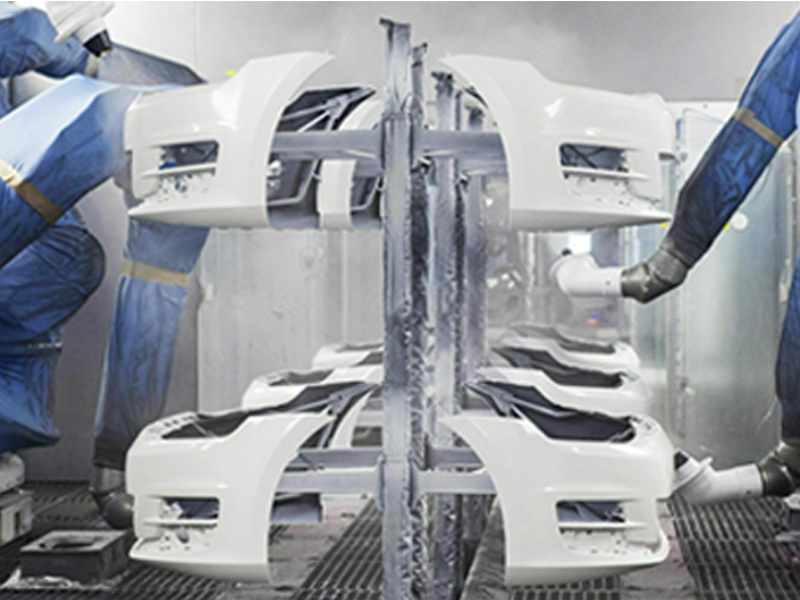
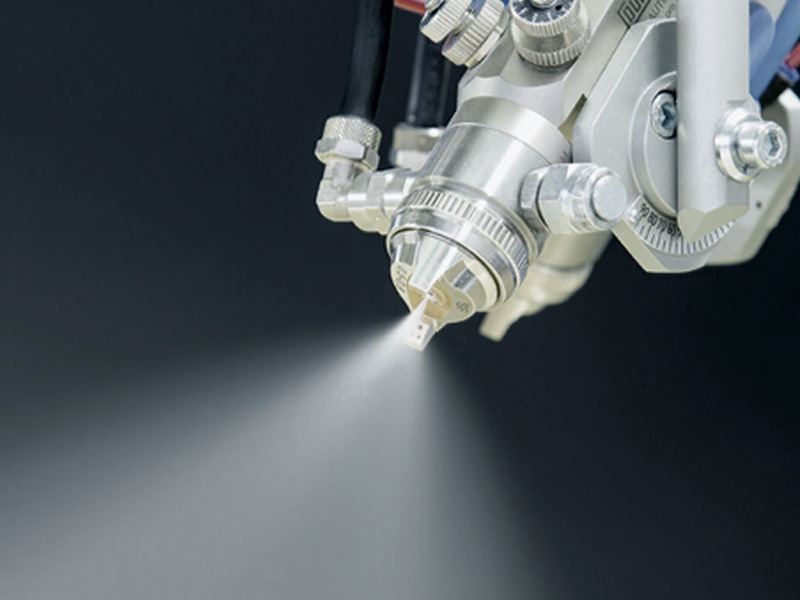
Following preparation, the ink spraying process begins. Advanced technologies, such as automated spray guns, are employed to ensure uniform coverage across the PCB surface. This automation not only enhances the quality of the solder mask application but also significantly increases production efficiency. By minimizing human error and maintaining consistent parameters, manufacturers can achieve higher throughput and reduce waste.
Once the solder mask ink is applied, the PCBs move to the curing stage. This process solidifies the mask, typically utilizing ultraviolet (UV) light or thermal methods to ensure that the ink achieves its intended properties. Proper curing is essential, as it determines the mask's adhesion strength and overall performance during subsequent soldering processes.
In addition to enhancing production efficiency, investing in a PCB solder mask ink spraying line can yield various operational benefits. A well-implemented line reduces labor costs, minimizes material waste, and improves the overall quality of the PCB products. Furthermore, with the continuous advancements in spray technologies, manufacturers can explore eco-friendly ink options, contributing to sustainability efforts in the industry.
When considering the integration of a solder mask ink spraying line into your production process, it is essential to evaluate factors such as line capacity, compatibility with existing equipment, and the specific requirements of your PCB designs. Engaging with industry experts can provide valuable insights and recommendations tailored to your operational needs.
In conclusion, the PCB solder mask ink spraying line is a pivotal component in the production of high-quality printed circuit boards. By understanding its function and advantages, manufacturers can enhance their manufacturing processes, ultimately leading to superior products and increased customer satisfaction.
Related articles


Building 1, Xiaweishui Industrial Zone, Bao'an District, Shenzhen, China


