


Exploring the World of Coating Paint Machines: Types, Specifications, and Applications
Release time:
2025-03-07
Coating paint machines play a vital role in various industries, including automotive, furniture, and manufacturing. These machines are engineered to apply a uniform layer of paint or protective coating on different surfaces, ensuring durability and aesthetic appeal. Understanding the types and specifications of coating paint machines can help businesses make informed decisions that align with thei

Coating paint machines play a vital role in various industries, including automotive, furniture, and manufacturing. These machines are engineered to apply a uniform layer of paint or protective coating on different surfaces, ensuring durability and aesthetic appeal. Understanding the types and specifications of coating paint machines can help businesses make informed decisions that align with their production needs.
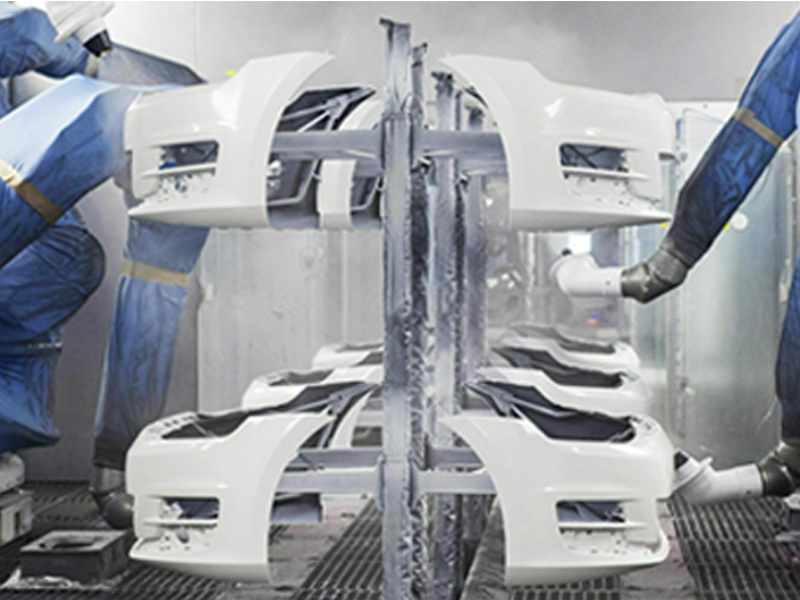
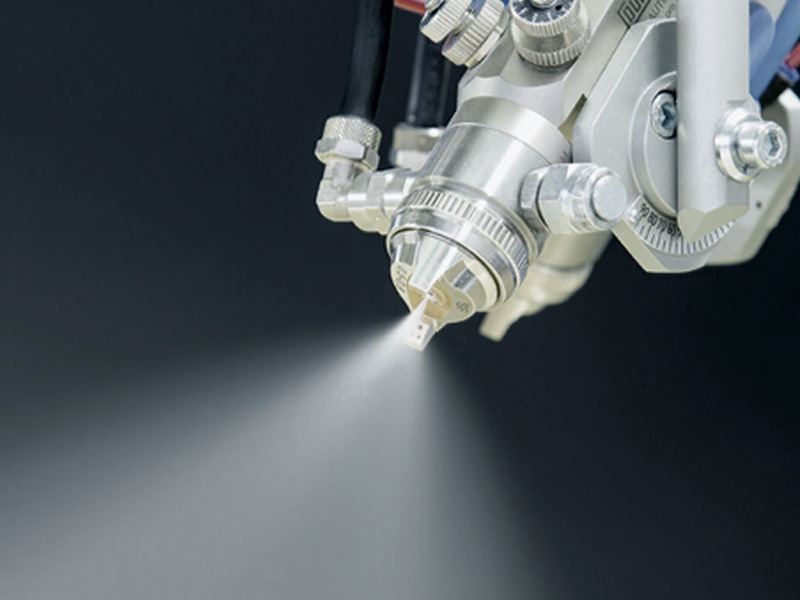
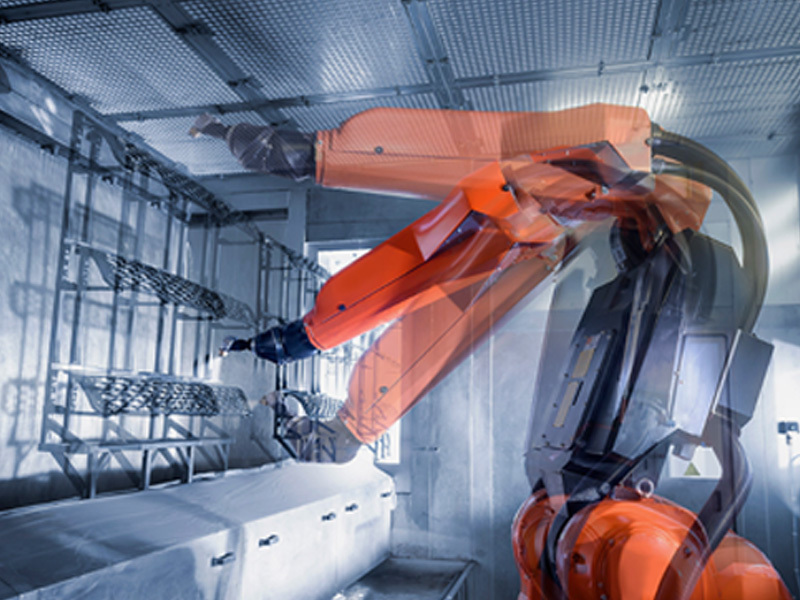
One of the primary types of coating paint machines is the spray coating machine. These machines use high-pressure technology to atomize paint, allowing for a fine and even distribution over a surface. They are commonly used in the automotive industry for painting car bodies and parts. Specifications for spray coating machines may include adjustable pressure settings, nozzle sizes, and the capacity to handle different types of coatings, such as solvent-based, water-based, and UV-cured paints.
Another popular type is the roll coating machine. This type utilizes rollers to apply paint, making it ideal for large flat surfaces like plywood or metal sheets. Roll coating machines are designed for high-speed production and often come with adjustable roller speeds and thickness settings. Their specifications typically include the roller diameter, coating width, and the option for multi-layer applications.
Dip coating machines are widely used for parts that require thorough coverage and protection against corrosion. This process involves submerging the item in a coating solution, allowing for an even coat. Specifications for dip coating machines include tank size, heating capabilities (if required for specific coatings), and conveyor speed to streamline production processes.
In addition to these primary types, there are also advanced machines such as electrostatic spray coating systems. These systems use electrical charges to attract paint particles to the surface, minimizing overspray and ensuring a more efficient use of materials. They are particularly effective for complex shapes and are often used in industries that prioritize environmental sustainability.
When selecting a coating paint machine, it is essential to consider specifications such as production capacity, type of coating material, surface area to be covered, and the desired finish quality. Investing in the right machine can significantly enhance operational efficiency and product quality.
In summary, coating paint machines come in various types, each designed for specific applications and processes. By understanding their specifications and intended uses, businesses can choose the most suitable machines to meet their production goals. Whether you need efficient spray coating or thorough dip applications, the right coating paint machine can make a substantial difference in your operations.
Related articles

Building 1, Xiaweishui Industrial Zone, Bao'an District, Shenzhen, China


