


Revamp Your Production: The Benefits of an Industrial Spray Paint Line
Release time:
2025-02-07
Revamp Your Production: The Benefits of an Industrial Spray Paint Line Table of Contents 1. Introduction to Industrial Spray Paint Lines 2. Understanding Industrial Spray Painting Technologies 3. Key Benefits of Using an Industrial Spray Paint Line 3.1 Increased Productivity 3.2 Quality Enhancement 3.3 Cost Effectiveness 4. Typ

Revamp Your Production: The Benefits of an Industrial Spray Paint Line
Table of Contents
- 1. Introduction to Industrial Spray Paint Lines
- 2. Understanding Industrial Spray Painting Technologies
- 3. Key Benefits of Using an Industrial Spray Paint Line
- 4. Types of Spray Painting Equipment
- 5. Best Practices for Implementing an Industrial Spray Paint Line
- 6. Common Mistakes to Avoid During Implementation
- 7. Future Trends in Spray Painting Technology
- 8. Conclusion
- 9. FAQs
1. Introduction to Industrial Spray Paint Lines
In the world of manufacturing, the need for **efficient and high-quality finishes** has never been greater. An **industrial spray paint line** offers a comprehensive solution to meet these demands by automating the painting process. By revamping your production with advanced spray painting technologies, you can enhance efficiency, ensure consistent quality, and ultimately boost your bottom line.
In this article, we will explore the various benefits of utilizing an industrial spray paint line and how it can lead to a significant transformation in your production capabilities.
2. Understanding Industrial Spray Painting Technologies
Industrial spray painting consists of various techniques and equipment designed to facilitate the application of paint onto surfaces. Techniques like **airless spraying**, **HVLP (High Volume Low Pressure)**, and **electrostatic painting** are popular in many manufacturing sectors. Each method has unique advantages, making it essential to understand which technology best suits your production needs.
**Airless spraying** is known for its speed and efficiency, allowing for thick coatings without the need for excessive thinning. **HVLP** is favored for its precision, producing a fine mist that minimizes overspray and waste. On the other hand, **electrostatic painting** utilizes charged particles to enhance paint adhesion, making it particularly effective for metal surfaces.
3. Key Benefits of Using an Industrial Spray Paint Line
Investing in an industrial spray paint line can revolutionize your production process. Below, we discuss three major benefits that can impact your manufacturing operations positively.
3.1 Increased Productivity
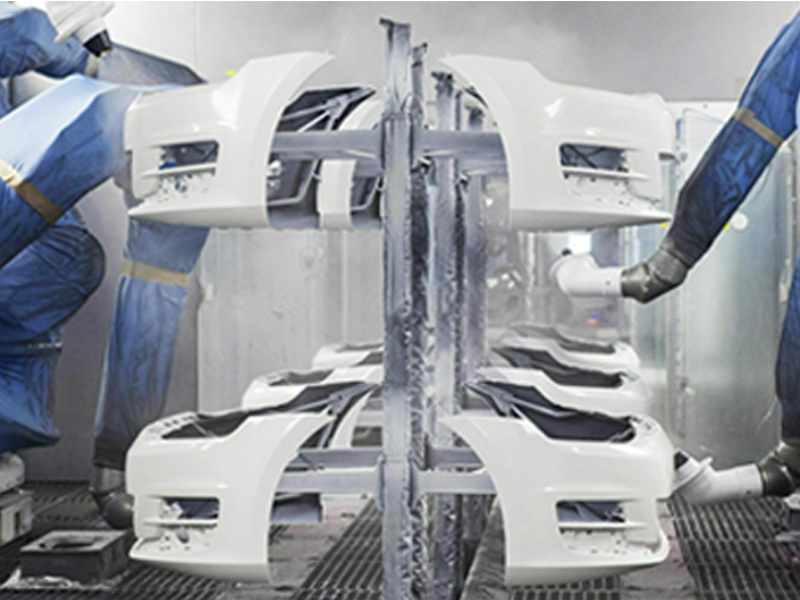
One of the most significant advantages of an industrial spray paint line is the **increase in productivity**. Automated systems can operate continuously without fatigue, significantly reducing the time it takes to complete painting tasks. High-speed applications mean that you can process more items in less time.
Moreover, the ability to program and control the paint application process ensures that each item receives the same precise coating, further streamlining workflows. This efficiency translates to faster turnaround times, allowing you to meet customer demands more effectively.
3.2 Quality Enhancement
Quality is paramount in manufacturing, and an industrial spray paint line can help achieve a superior finish that manual methods often struggle to replicate. Automated systems ensure consistency in application thickness and coverage, minimizing the risk of defects such as drips and uneven surfaces.
Advanced technologies also allow for better control over environmental factors, such as temperature and humidity, which can affect paint adhesion and drying times. As a result, businesses can deliver higher-quality products that meet or exceed industry standards.
3.3 Cost Effectiveness
While the initial investment in an industrial spray paint line may seem substantial, the long-term cost savings can be significant. Automated spraying reduces labor costs, as fewer workers are needed to operate the system. Moreover, precise application minimizes paint waste and rework, directly impacting your material costs.
Over time, the efficiency and reduced error rates can lead to lower operational costs, ultimately improving profitability. Companies that adopt these systems often find themselves gaining a competitive edge by offering better prices without sacrificing quality.
4. Types of Spray Painting Equipment
When selecting an industrial spray paint line, it’s essential to understand the different types of equipment available. Each type plays a crucial role in achieving the desired finish and meeting production requirements.
**1. Spray Booths:** These controlled environments are designed to contain overspray and maintain air quality during the painting process. They can be equipped with air filtration systems to remove particulates and ensure a clean workspace.
**2. Paint Pumps:** These devices are vital for delivering paint from the storage container to the spray gun. Options include diaphragm pumps, piston pumps, and gear pumps, each suited for different paint viscosities.
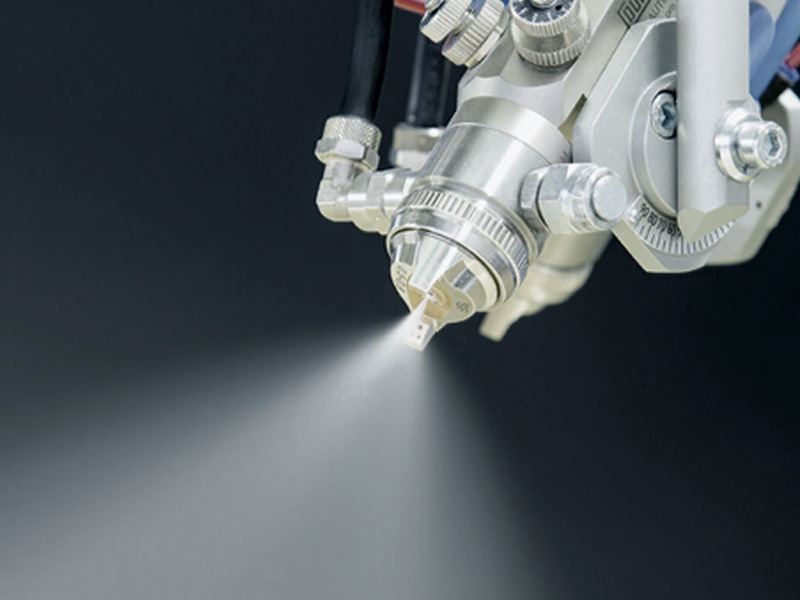
**3. Spray Guns:** The choice of spray gun is critical for achieving the desired finish. Options range from conventional air spray guns to high-efficiency models, each designed for specific applications.
**4. Drying Systems:** Efficient drying systems are essential in reducing cycle times. Options include infrared drying, convection drying, and UV curing systems, each suitable for different types of coatings.
5. Best Practices for Implementing an Industrial Spray Paint Line
To maximize the benefits of an industrial spray paint line, it is crucial to follow best practices during implementation. Here are some key strategies:
**1. Assess Your Needs:** Before investing, conduct a thorough assessment of your production requirements. Consider factors such as production volume, types of materials, and desired finishes.
**2. Choose the Right Equipment:** Select equipment that matches your assessment. Collaborate with suppliers to ensure that the chosen systems align with your production goals.
**3. Train Your Staff:** Proper training is essential for effective operation. Ensure that your team understands how to use the equipment safely and optimally.
**4. Implement Regular Maintenance:** Regular maintenance of your spray paint line will extend its life and ensure consistent performance. Create a maintenance schedule to keep the equipment in top condition.
**5. Monitor and Optimize:** Continuously monitor the performance of your spray paint line. Analyze data to identify areas for improvement and adjust processes as necessary.
6. Common Mistakes to Avoid During Implementation
While implementing an industrial spray paint line can be beneficial, several common mistakes can hinder success:
**1. Underestimating Initial Costs:** Many businesses overlook the total costs involved in implementing a spray paint line, including installation, training, and maintenance.
**2. Ignoring Environmental Considerations:** Failing to consider environmental factors can lead to inefficiencies. Ensure that air quality and ventilation are accounted for in your planning.
**3. Overcomplicating the Process:** Keep processes simple and avoid over-engineering your systems. This will help ensure smooth operations and reduce the likelihood of issues.
7. Future Trends in Spray Painting Technology
As technology continues to evolve, the field of industrial spray painting is also experiencing significant advancements. Here are some trends to watch:
**1. Automation and Robotics:** The increasing integration of robotics in spray painting is set to revolutionize the industry. Automated systems can perform complex tasks with precision, reducing labor costs and enhancing quality.
**2. Eco-Friendly Solutions:** The demand for environmentally friendly coatings is on the rise. Manufacturers are developing water-based and low-VOC (volatile organic compound) paints that comply with stricter regulations.
**3. Industry 4.0 Integration:** The integration of IoT (Internet of Things) technology in spray painting systems is paving the way for smarter manufacturing. Real-time data collection and analysis can help optimize processes and improve efficiency.
8. Conclusion
In conclusion, revamping your production with an industrial spray paint line offers multiple benefits, from enhanced productivity and quality to significant cost savings. By understanding the various technologies available and adopting best practices during implementation, you can transform your manufacturing capabilities and gain a competitive edge in the market.
Investing in an industrial spray paint line is not just a smart business decision; it is a strategic move that can lead to a more efficient, cost-effective, and sustainable production process.
9. FAQs
**Q1: How does an industrial spray paint line improve efficiency?**
A: An industrial spray paint line automates the painting process, allowing for continuous operation and faster turnaround times, ultimately increasing overall efficiency.
**Q2: What types of materials can be painted using an industrial spray paint line?**
A: Industrial spray paint lines can be used on various materials, including metal, wood, plastic, and composite materials, depending on the type of coatings used.
**Q3: Are there eco-friendly options for industrial spray paints?**
A: Yes, many manufacturers are now offering water-based and low-VOC paints that are more environmentally friendly and comply with regulatory standards.
**Q4: What is the typical lifespan of an industrial spray paint line?**
A: With proper maintenance, an industrial spray paint line can last anywhere from 10 to 20 years, depending on usage and care.
**Q5: How can I ensure consistent quality in my spray painting process?**
A: By investing in automated systems, performing regular maintenance, and training staff effectively, you can ensure consistent quality in your spray painting operations.
Related articles


Building 1, Xiaweishui Industrial Zone, Bao'an District, Shenzhen, China


