


The Future of Coating: Understanding Automated Automatic Spray Paint Machines
Release time:
2025-02-06
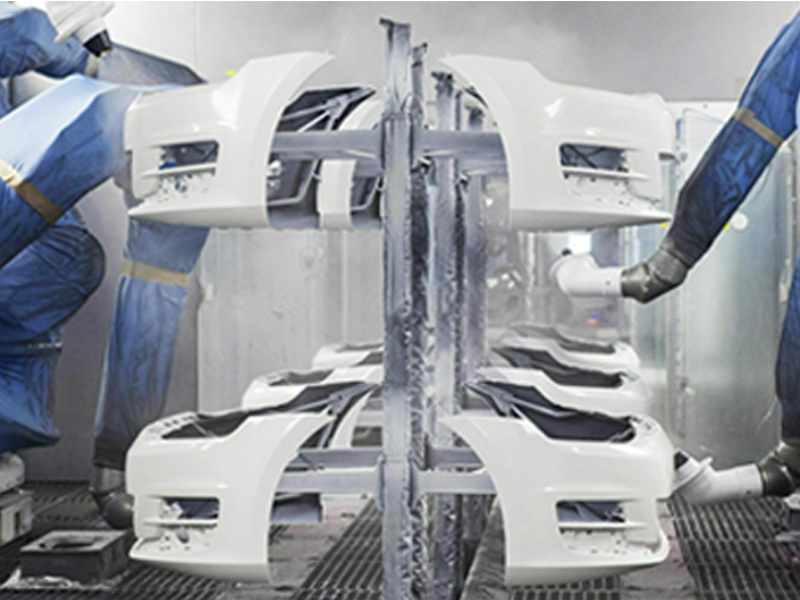
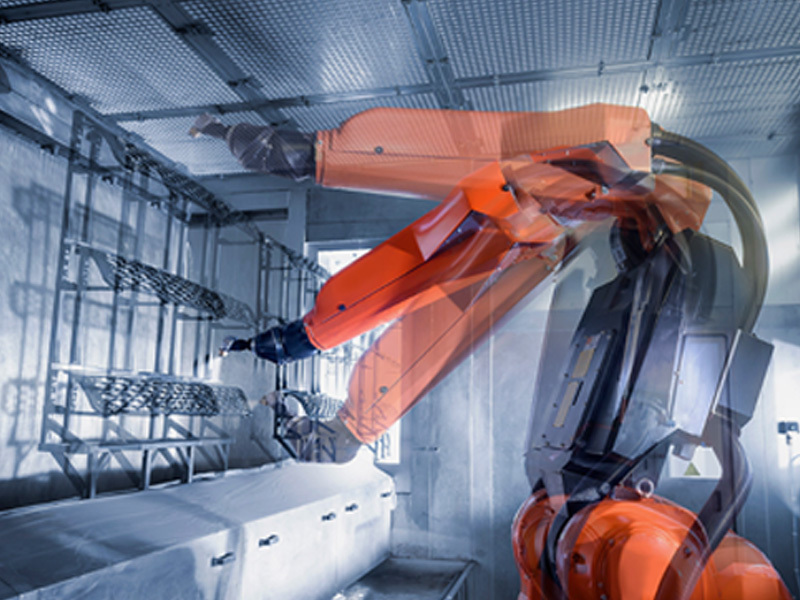
Automated automatic spray paint machines represent a significant advancement in the field of industrial coating. These sophisticated devices are designed to streamline the painting process, offering a range of benefits that enhance efficiency and consistency in various applications. By eliminating manual labor and minimizing human error, these machines ensure a uniform finish that meets high-quali

Automated automatic spray paint machines represent a significant advancement in the field of industrial coating. These sophisticated devices are designed to streamline the painting process, offering a range of benefits that enhance efficiency and consistency in various applications. By eliminating manual labor and minimizing human error, these machines ensure a uniform finish that meets high-quality standards.
One of the primary advantages of automated spray paint machines is their ability to significantly increase production speed. In traditional painting methods, the process can be time-consuming, often leading to delays in project timelines. However, automated systems can complete tasks at a much faster rate, allowing businesses to meet tight deadlines without compromising on quality.
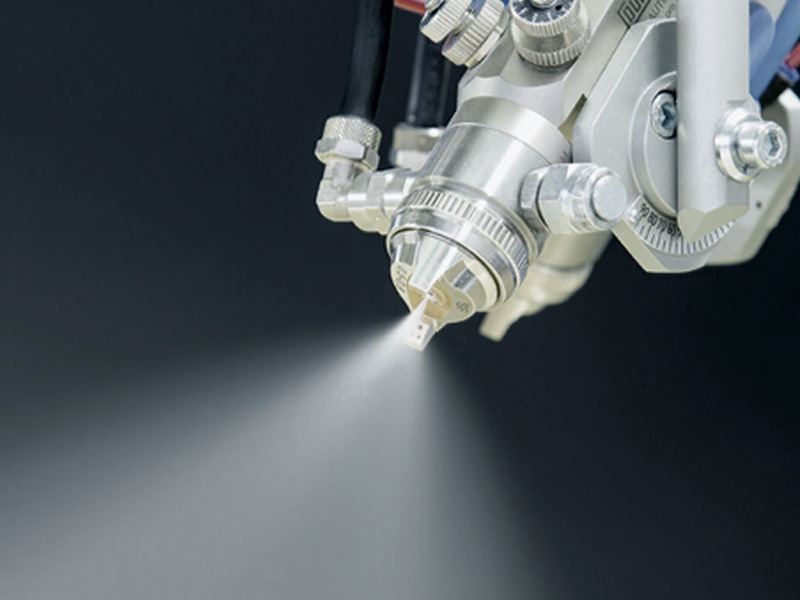
Moreover, these machines feature advanced technology that allows for precise control over the application process. This precision is crucial for achieving a flawless finish, as it reduces the likelihood of over-spray and under-spray, common issues faced in manual painting. Automated systems can adjust spray patterns, pressure, and flow rates in real-time, ensuring that each surface receives the optimal amount of paint. As a result, manufacturers benefit from reduced waste and lower material costs, as less paint is required to achieve the desired coverage.
In addition to efficiency and precision, automated automatic spray paint machines contribute to a safer working environment. In industries where painting is a regular task, exposure to hazardous materials can pose health risks to workers. By utilizing automated systems, businesses can minimize the need for employees to engage directly with harmful substances, thus enhancing workplace safety.
Another key benefit of these machines is their ability to maintain consistency across large production runs. Whether painting automotive parts, furniture, or industrial components, automated systems ensure that every item receives the same high-quality finish. This consistency not only improves the overall appearance of the products but also increases customer satisfaction, as clients can expect uniformity in their orders.
Furthermore, modern automated spray paint machines can be integrated with other manufacturing processes through automation technologies. This integration allows for seamless workflows, reducing downtime and enhancing overall production efficiency. As industries continue to adopt smart manufacturing practices, the role of automated painting systems will likely grow, making them an essential component in the future of industrial equipment.
In summary, automated automatic spray paint machines are revolutionizing the way businesses approach coating applications. By providing speed, precision, safety, and consistency, these machines are invaluable in the industrial sector. As technology continues to evolve, we can expect even more advancements that will further enhance the capabilities and applications of these innovative devices, solidifying their place in modern manufacturing processes.
Related articles

Building 1, Xiaweishui Industrial Zone, Bao'an District, Shenzhen, China


